Action Plan Developed to Make Berkshires Age Friendly
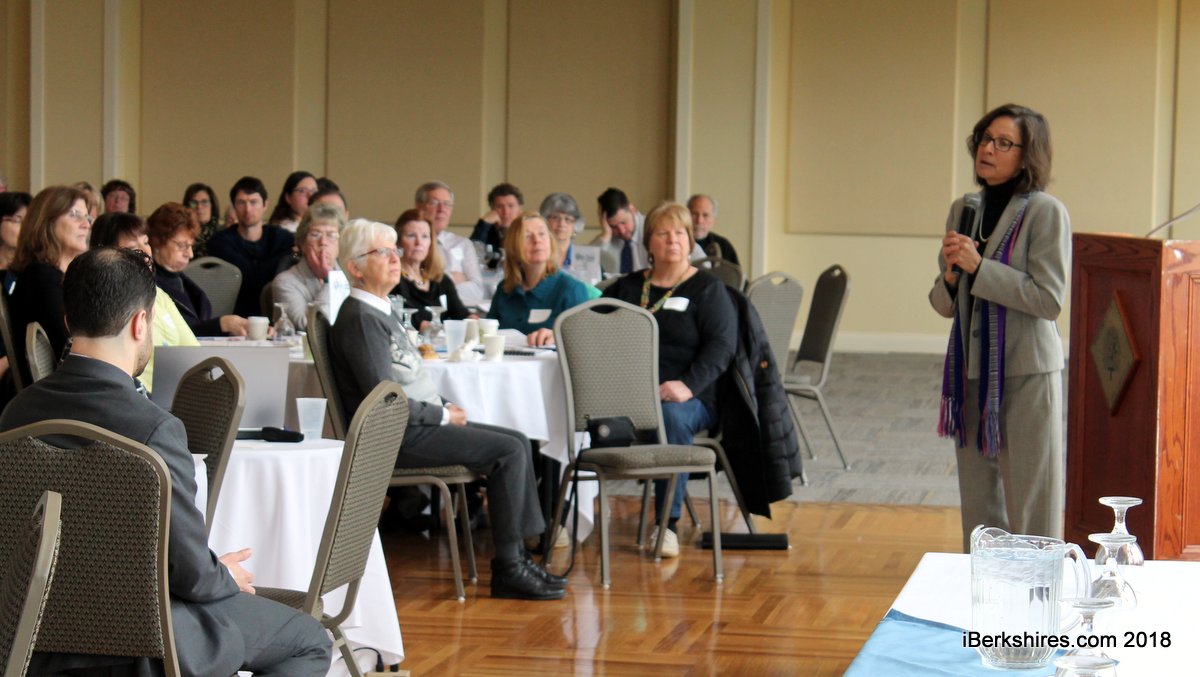
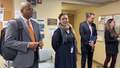
Secretary for Elder Affairs Alice Bonner said the state is behind the age-friendly effort.
"Our population in 2010 was 18.5 percent persons over the age 65. And then by 2020, that percentage of older adults is expected to increase to 24 percent," Margaret McDonough, a senior planner with the Berkshire Regional Planning Commission, said.
"For the first time in our history, older adults will outnumber those under the age of 18 by a wide margin."
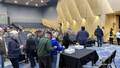
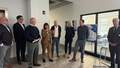
Three years ago, a group of people who work in the realm of caregivers for the older population recognized those trends and a coalition was formed locally to develop a plan to make sure the community was suited for that age group. That multi-year planning effort came to a conclusion in November and on Tuesday morning, the results were shared during a gathering at the Berkshire Hills Country Club.
"That this plan took a little longer, that's OK. Because what it does is ensure that we are working to get it right. You are listening to the community, listening to older adults, and adjusting the plan," said Tufts Health Plan Foundation President Nora Moreno Cargie, who funded the coalition's planning work.
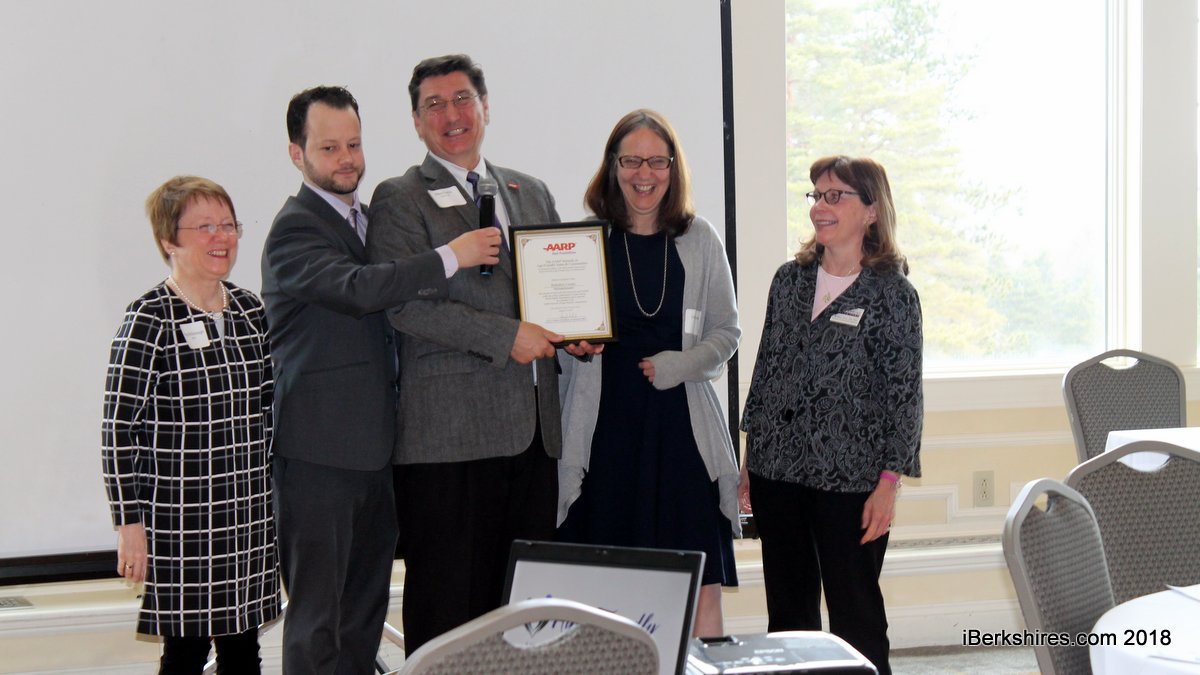
McDonough said the process included receiving a designation from AARP, the nonprofit advocacy group for older Americans, and launching a series of outreach sessions to hear from residents what they need. The group has also simultaneously held workshops and tested concepts that could ultimately be brought into action plans -- such as workshops teaching the older generation about online shopping and an effort to get cities and towns to sign age-friendly resolutions.
Ultimately, the plan focuses on eight areas for which the Berkshires can focus on to make it more livable for older generations: housing, communication, transportation, outdoor spaces and building, civic engagement and employment, community and health services, respect and inclusion, and social participation.
"People want to work as long as they choose or need to and we wanted to find ways to support that," McDonough said.
She identified the group's work to build skills training programs, promote volunteerism, and change the way employers see older workers.
"People have this negative view, this negative stereotype, about someone who is older without even meeting them. Well, old people can't use technology, they're not good at computer skills. We know that's not true," said state Secretary for Elder Affairs Alice Bonner.
"Older workers tend to have lower absenteeism, show up on time, are reliable, tend to have more customer service skills."
Bonner said the Baker administration is now looking at policies for such thing as respecting workers who are caregivers and trying to expand programs that help ensure the older generation has job opportunities for however long they'd want or have to.
"If you, in fact, want to or need to continue to work, we want you to have job opportunities," Bonner said.
Housing is another aspect of the plan. Age Friendly Berkshires is now looking to launch an inventory of the county's housing stock, review the regulatory framework around housing projects, and even focus on zoning to expand options for senior living.
"We want to expand the range of housing options and choices for people. We have many single-family homes, of course, but we also realize that when one gets to a certain point, you may not be able to live on your own. We want to sure we have alternative styles of living people can choose from," McDonough said.
Bonner said some housing issues can be addressed on the state level through such programs as tax work-offs, in which residents can volunteer with a municipal agency for a discount on taxes, or deferral options. She said many of those programs exist but aren't as well known as they could be.
"People said over and over, I grew up in the community, I raised my kids here, I live in my house, I want to stay here. But I'm having trouble affording my taxes. I'm having trouble making ends meet," Bonner said.
"We're looking at transportation as one of the main drivers of economic security as well as housing and health care."
McDonough said the group will be exploring ways locally to increase the availability of transportation, particularly through on-demand ride programs.
"We have so much wealth of culture, art, and music here that everybody who lives here should be able to get out easily and enjoy it," she said, dovetailing the transportation piece into another focus area on social participation.
AARP State Director Mike Festa suggests taking a portion of what the state spends on regional transit authorities and shift that toward subsidizing on-demand transportation models.
But transportation doesn't solely include public transit systems. The report outlines improving walking areas, better signage, and more benches for people to take rests while they walk to where they need to go.
Festa said AARP has a grant program to help move projects that support age-friendly initiatives along.
"If you have a shovel-ready project that can be addressing an age-friendly effort, whether it is in transportation or go right down the list of the eight domains, submit that proposal. There is a possibility you will get a grant," he said.
The plan calls for the support of complete street projects and to bolster the accessibility of public buildings, parks, and open spaces. It encourages adaptable reuses of older buildings, possibly for housing options.
Another thing the older population wants is to feel respected and included.
.JPG)
BRPC Planner Margaret 'Peg' McDonough outlined the findings at Berkshire Hills Country Club Tuesday morning.
The plan continues to call for a deep look at health care options, with an eye to make sure specialty services are readily available for those who need it. It calls for the adoption of "village" models to provide a better support system for the community and improve health literacy.
And improved communication is also on the list as McDonough said the coalition is looking to create a "hub" for information for the older demographics, such as bolstering its website and using Berkshire Senior TV as a medium to connect with the seniors.
The group admits the plan is ambitious in its scope. But, Festa said there are resources currently available to help usher these types of efforts along and a growing momentum behind it.
"There is no state, and I'm comparing us to California, Texas, New York, anywhere in this country, there is no state ahead of the curve on age-friendly work in the community as Massachusetts," Festa said.
The Tufts Foundation has $50,000 to award for mini-grants, the state is committing some $80,000 to supplement AARP's community challenge grants to implement age-friendly projects. And the executive office is directing additional funds through the Councils on Aging. AARP will also pay to bring in "high-level experts" in those fields to help communities develop programs -- particularly when it comes to transportation.
"All of these resources at intended to respect what you are trying to do, and recognize that most of the work is still going to be done by you," Festa said.
And Bonner said much of the work ahead involves shifting the conversation when it comes to those demographics.
"We have to stop talking to ourselves. We know what aging services are all about but outside of our world, if you go to your kid's soccer game or go to the library or a historical lecture, not everybody in that room is going to know what we all know about growing older together in the commonwealth," Bonner said.
"Changing the language, the way we talk about growing up and growing older together is really important. We've got to have a way of talking about it that recognizes the positive aspects of growing older and all of the momentum that we get as we get older, the ability to learn new things, and those opportunities. At the same time recognizing, and not forgetting, that for some people they are low income, they have challenges, they have needs in our communities."
Tags: age-friendly, demographics, senior citizens,