Auditor: PEDA's Unrestricted Funds Continue to Dwindle
PITTSFIELD, Mass. — An urgency to develop the William Stanley Business Park continues to grow as another year has gone by without a significant windfall of income for the Pittsfield Economic Development Authority.
PEDA has been spending approximately $300,000 in General Electric settlement money per year to supplement its operations. That account has dwindled down over the years without a significant boon in revenue to replenish it and if the current trends continue, PEDA will be out of available funds by 2024.
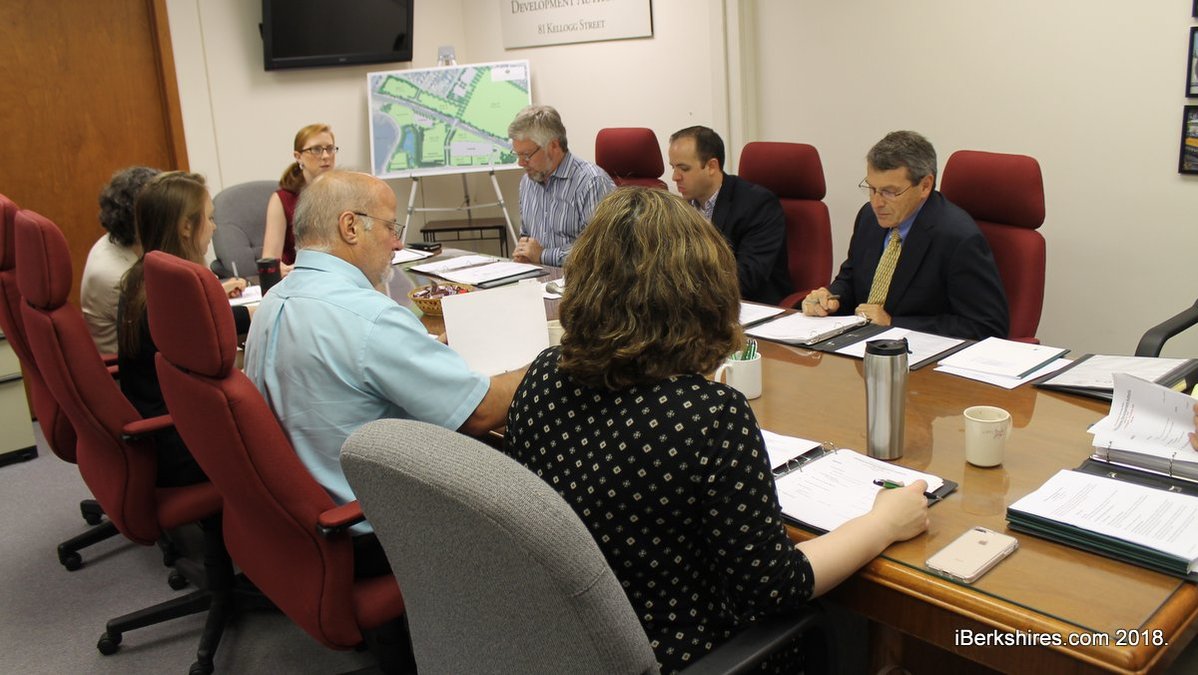
"You are down to the five, six-year range and you don't have a replacement for that cash," auditor David Irwin from Adelson & Company told the board on Wednesday morning.
PEDA potentially has $5 million in its disposal for the property but $3 million of that is restricted to landscaping and foundation work and can be used by PEDA or General Electric.
Overall, PEDA still has some $15.5 million worth of assets and ended 2017 with a net position of $7.7 million. But that cash on hand continues to be a concern for the organization.
Last year the auditors said the organization had just six to seven years left. On Wednesday, the auditors said that is now down to five or six. Of the money PEDA has left, only $2 million of it can be put toward operations.
Over the years it had some parcels developed with a solar array and the Mountain One Financial Center but the lease money isn't enough to cover operations. So each year that original $15.3 million given to the city by General Electric dwindles a bit more.
That concern is hardly new for the PEDA board. Recognizing the erosion of cash available for operations last year, the organization was reorganized. The executive director was reduced to a part-time position job and an agreement was reached with the city and the Pittsfield Economic Revitalization Corp. to share the cost of a business development manager. That essentially split the executive director's job into two disparate parts -- the sales and marketing into one job and the administration of the park another -- to lower overhead cost.
The restructuring wasn't solely done because of the revenue figures and officials didn't hide the fact that they wanted to find ways to cut the annual budget to save whatever they could for possible incentives for prospective companies.
"Our dream is to ensure that this property is full and thriving. That is really the goal here. It is not really for the Pittsfield Economic Development Authority to sustain itself but to really focus on the park," Vice Chairwoman Christina Wynn said on Wednesday.
Despite stagnate revenue numbers, there is optimism. The Berkshire Innovation Center remains on track to be built, a project that is hoped to be a catalyst to further development, and there have been prospective companies looking at some of the sites -- with the parcel known as the 40s getting a more serious look from a potential client. The organization will see some revenue, albeit a small amount, in the short term by a new lease for the other half of its office building.
Other than that continued concern for cash flow, PEDA received a fairly vanilla audit for 2017 with no other major concerns standing out.
PEDA was formed in 1998, 20 years ago, as part of the consent decree agreed upon when GE left town. PEDA was created to head efforts to find new tenants for the parcels left behind. Over the years, the organization had many promising prospects but much of the park remains unfilled.
Last year the largest parcel was nearly sold when developer Waterstone proposed a Walmart at the parcel known as the teens. After months and months of design work, Walmart ultimately pulled out of the Waterstone agreement. On Wednesday, Executive Director Corydon Thurston said he hasn't heard from Waterstone recently about another tenant.
Waterstone did put down a $65,000 non-refundable deposit on the property. That money is currently in an escrow and is eyed to go toward the developer's $1 million purchase. Should the developer not purchase the property by the end of the year, that money will go to PEDA.
Tags: audit, PEDA,