Pittsfield Council Subcommittee Supports Tyer's Home Renovation Program
PITTSFIELD, Mass. — Mayor Linda Tyer's At Home in Pittsfield program earned the support of the City Council's Community and Economic Development subcommittee on Tuesday.
The mayor is asking for $250,000 from the General Electric Economic Development Fund for the program eyed to spur renovations to homes. The funds would then be available as zero-interest loans for homeowners or those purchasing a home to make repairs to the exterior.
The types of projects include windows and doors to roofing to foundation repairs to siding and porches. Repairs to the insides of homes are not eligible.
The program is open citywide to those who make less than 135 percent of the area's median income, which this year means $87,480. The loans can be up to 10 percent of the appraised value after renovations or a maximum of $20,000.
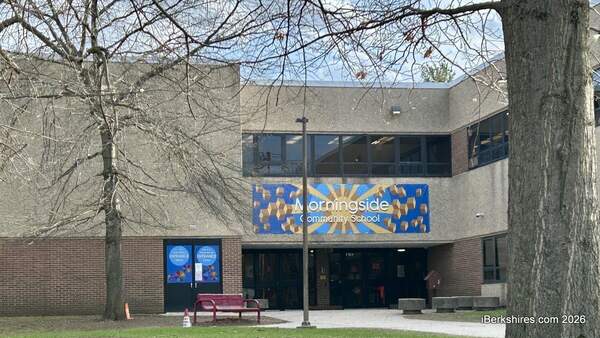
For those living in the West Side or Morningside neighborhoods, the city will loan up to 20 percent or a maximum of $30,000. The loans would not require regular payment but would be paid back to the city when the home is sold - through city officials are still toying with the idea of making some of it forgivable.
The program is in partnership with Pittsfield Cooperative Bank, Greylock Federal Credit Union, Lee Bank, and Berkshire Bank. It is open to people who are either purchasing a home that needs repairs or someone who is refinancing a home and need repairs. The lending institutions are to use it as another financing tool when working on the project.
Those in the West Side and Morningside neighborhoods also have the benefit of going directly through the city for the funds without the requirement of refinancing or purchasing new.
Director of Community Development Deanna Ruffer said the priority is for those who are purchasing a home. She said she'd like to specifically target some of the money toward helping those purchases.
"We do want to incentivize homeownership," Ruffer said.
Ruffer said there are several housing programs on the federal, state, and local level, but most of those are focused on low-income and the city's program expands the eligibility. She said the additional funds will help provide more contractor jobs, stimulate the real estate market, and help leverage private investment into the housing stock.
The program has the support of organizations like Working Cities Pittsfield, the West Side Initiative and Habitat for Humanity, which see it is a way to help those in the community who may not have the resources to keep up with a home.
"It fills the gap between aspiration and resources," said Alisa Costa of Working Cities, adding that when neighborhoods are improved then businesses tend to make more investments there.
Linda Kelley from the West Side Initiative said there are many homes in that area that need to be torn down. But, at the same time, it is painful for the residents to see because often they knew the family that lived there their entire lives. She sees the program as a way to help avoid those situations.
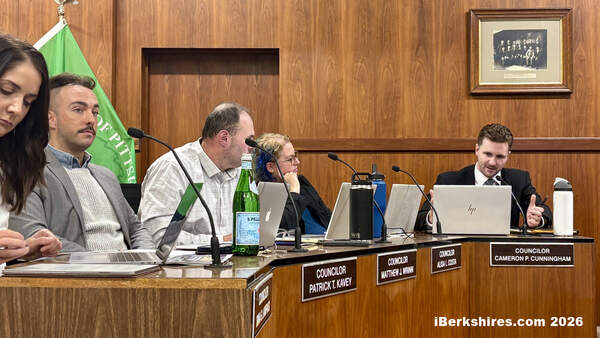
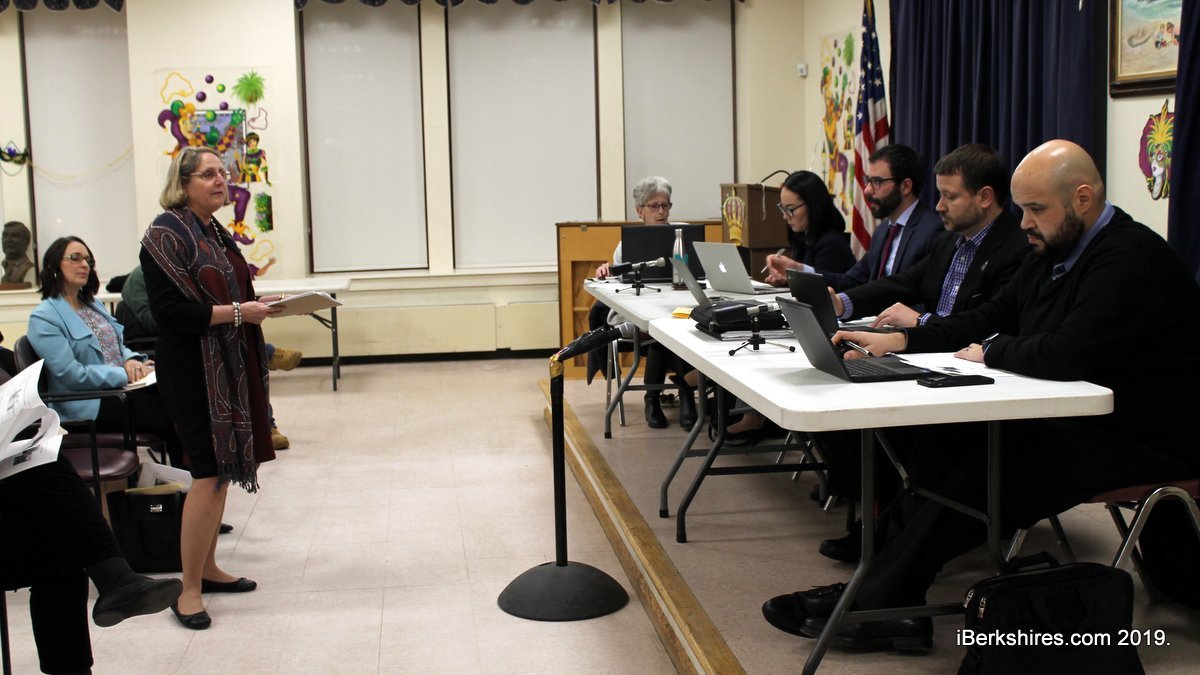
After talking with the mayor, the representatives from the lending institutions, and the community partners, the City Council's Community and Economic Development gave it unanimous approval. The program will still need to go to the full City Council before being enacted.
The main question among city councilors is will $250,000 be enough?
"We have had a lot of discussion among the partners about whether it is enough. What I would say is it is enough to pilot," Ruffer said. "It is probably about what we could all collectively handle in a year."
Since the mayor announced the program, Ruffer said there has been tremendous interest with people calling to know more. She said about a third of those callers were able to get put into other, similar programs, another third didn't qualify or didn't want to refinance, and the last third is being kept on file for when the program does go live.
If the demand remains as high as it is, Ruffer said the money may only last 12 to 18 months. She said the administration would be evaluating and tracking the program and could possibly ask for more in the future should it be deemed a success.
Ruffer said she is also considering possible forgiveness plans such as if a new homeowner lives in the house for at least seven years then some or all of the loan would be forgiven. She said she wants to protect the city's investment while also using the program to help long-term residents build equity.
"We are playing around with ways to forgive portions or forgive after a certain amount of time," Ruffer said.
Councilor Peter White voiced favor in the program saying it is something he had been wanting to see for a long time. He said he previously looked into a program to provide tax abatements to people who improve their homes but that wasn't allowed by the state Department of Revenue. He credited the mayor with finding a way to help the housing stock.
"We can't spend that money directly to people so this is a great tool to add to the toolbox to go a little further in bringing up our neighborhoods and hopefully getting rid of some of the blighted conditions that bring down the values of everybody around," White said.
He is also supportive that the work will raise the properties assessed values, which in turn will provide more tax money to the city. Ruffer added that much of the work won't raise the assessed value but rather help with resale -- such as a roofing project.
Councilor Earl Persip voiced concerned about the increase in taxes, saying that it needs to be made clear to the resident what impact those improvements will have on the bills.
Tags: GE fund, Housing program,