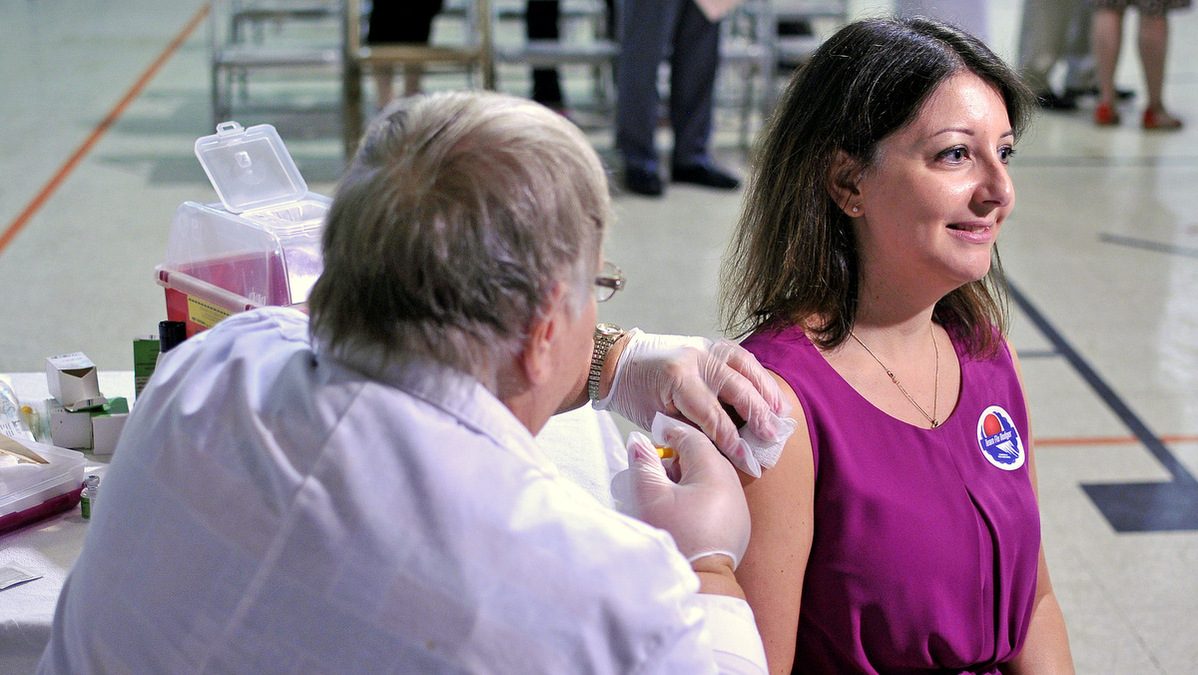
Flu Shot: It's That Time Again
With flu season around the corner, your health care providers, employers, pharmacists and others are sounding the annual reminder: "Get your annual flu shot." We encourage this for you — and for the people around you, too. We see evidence every year of the benefits of the flu vaccine, and we also see the risks of skipping it.
The flu vaccine has dramatic impacts on public health. However, since strains of the flu may vary from year to year, the vaccine must be received annually. Although the vaccine doesn't guarantee a flu-free winter and perfect health, medical research has convincingly shown that the flu shot reduces flu severity and reduces sick visits, hospitalizations and intensive care admissions. For infants and the elderly and those with compromised immune systems, the flu shot is essential protection against serious illness.
Although Massachusetts has historically ranked high in its overall immunization rates — 50 percent of all residents received vaccines in 2015-16 flu season — that percentage dropped from 55 percent the year before. The lowest rates of vaccination are in residents 18-49 — 40 percent for the 2015-16 season, but vaccine rates for all age groups (except young children) dropped slightly as well.
Some people have medical reasons for being unable to have the shot, but others go without by choice. Why? They may feel confident in their own good health and their body's ability to ward off illness. They may be skeptical about vaccines in general. However, skipping the flu vaccine means taking an unnecessary risk – for yourself and others whom you care for or work with, or who may be more vulnerable than you to illness.
Here's what we know about the flu vaccine from the Centers for Disease Control (CDC):
* During flu seasons when the vaccine is well-matched with flu strains that are circulating, the vaccine is shown to reduce the need for flu-related medical visits by 30 to 60 percent.
* During the 2016-17 flu season, the vaccine prevented an estimated 5.3 million flu illnesses, 2.6 million medical visits for the flu and 85,000 flu-related hospitalizations.
* The vaccine reduces the severity of flu symptoms for those who may get sick, and reduces hospital-based Intensive Care Unit admissions related to the flu.
* The flu vaccine is a preventive measure for people with other chronic illnesses, such as cardiac, diabetes and lung diseases.
* Children and pregnant women are especially susceptible to complications from the flu. The vaccine has repeatedly reduced the risk of flu-related deaths among children by 50 percent.
In addition, if you are exposed to someone else who has the flu virus, you may not get sick, but you can pass on the virus to others. Do you have a young child? Do you care for an elderly relative or a chronically sick friend? Are you a teacher or a health care provider?
It is true that flu vaccines are not foolproof. Flu strains may differ from year to year and efforts to keep up with its changing characteristics are not 100 percent effective.
Some myths and misinformation are "out there" — even one claiming that the flu shot causes the flu. This is unequivocally false. In fact, flu vaccines are "inactivated," which means they contain no actual influenza (flu) virus at all. If someone falls ill after getting a flu shot, there are several explanations:
* The flu shot takes about two weeks to take full protective effect. A person can get the flu during this period.
* If someone was exposed to the flu just prior to getting the flu shot, he or she might coincidentally get sick around the time of a vaccine.
* Just because someone gets sick, does not mean that influenza ("the flu") is the culprit. There are many other non-flu illnesses that can be contracted. This is the time of year for increased respiratory illnesses and pneumonia.
* There are some outlying strains of the flu not covered by the typical flu shot. Unfortunately it is possible to contract one of these non-vaccine containing flu strains.
To protect your health and those around you – loved ones, friends, co-workers – please take the preventive step of getting your flu shot this season. You could save a life by doing so – and reduce your own risk of contracting the miserable and dangerous flu virus.
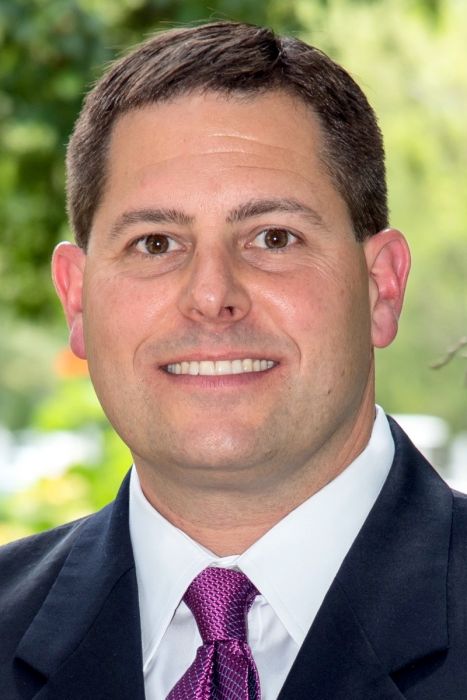
Dr. Everett Lamm is the chief medical officer of Community Health Programs.

Tags: CHP, flu,