Works From French National Library on Display at the Clark
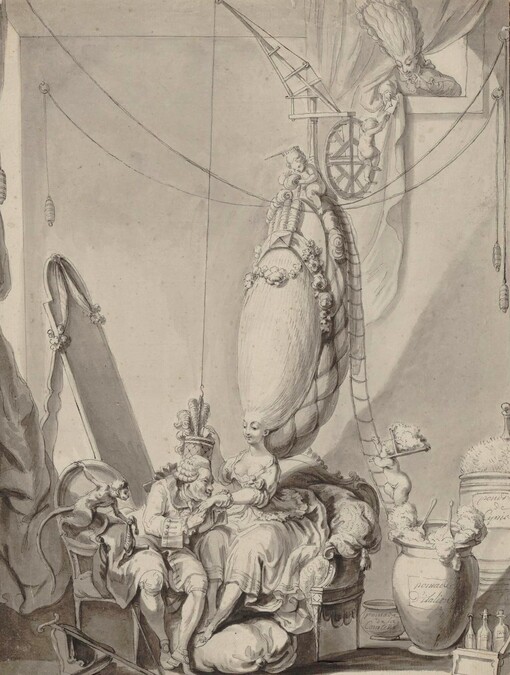
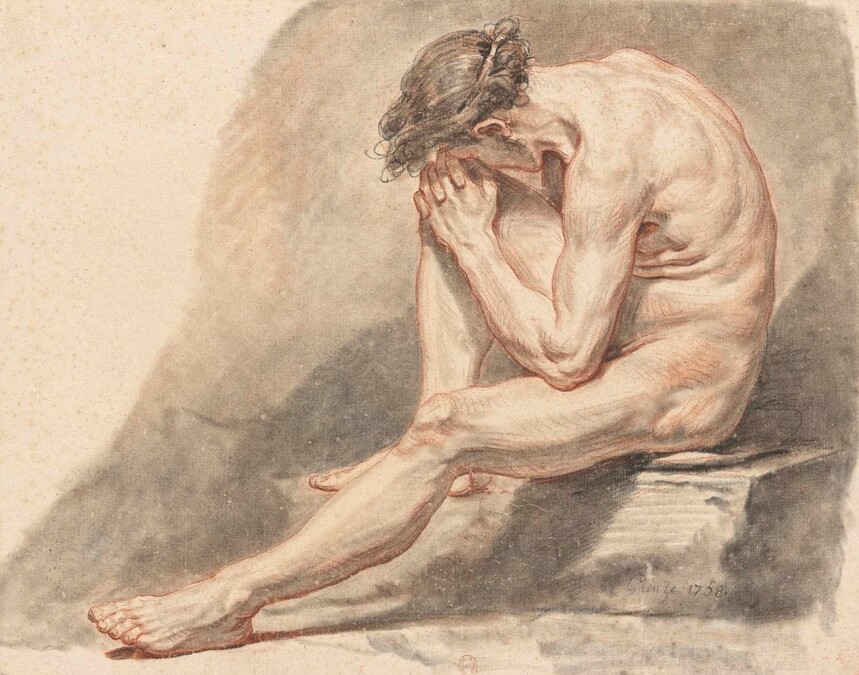
The sketches and drawings range from contemporary views of 18th century French life to portraits to architectural studies.
American audiences have a chance to see a curated exhibition drawn from the library's 18th-century works at the Clark Art Institute, and hopefully inspire scholars to research the trove.
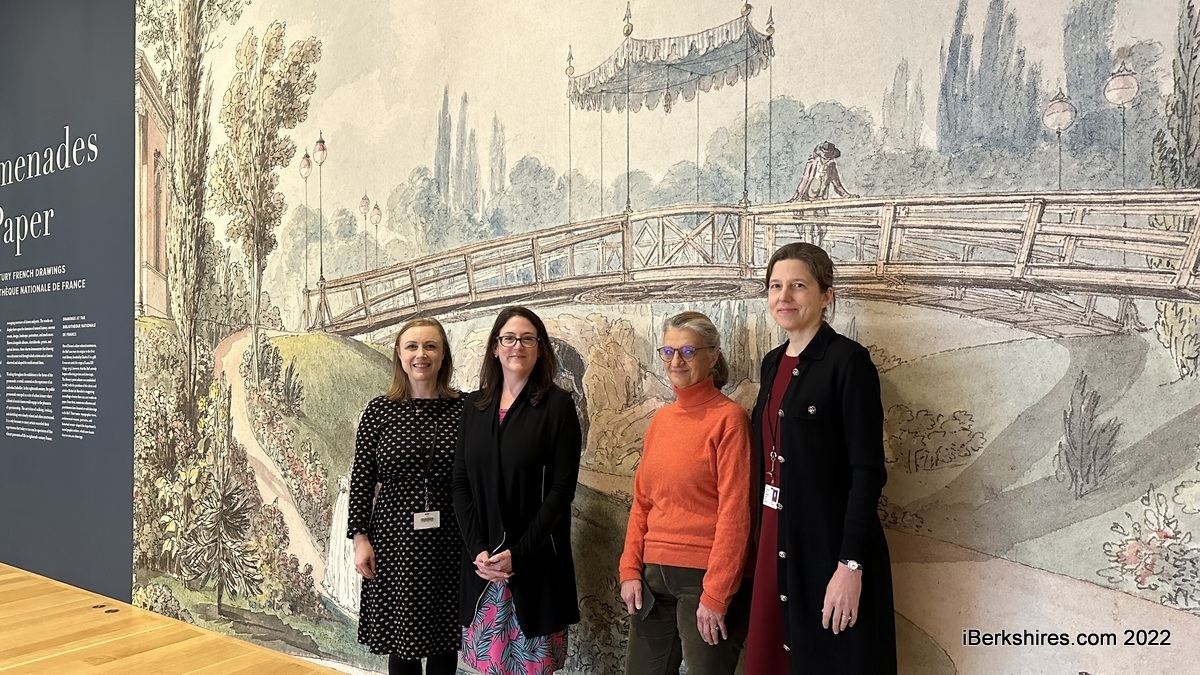
"Promenades on Paper: Eighteenth-Century French Drawings from the Bibliothèque nationale de France" is a collaboration the Clark and library have been working to bring to fruition since 2018.
Over the past four years, they scrutinized the extensive collection of works that have been collected over the centuries to bring 86 studies, architectural plans, albums, sketchbooks, prints, and optical devices to the Clark.
The library's collection is so large and unique that an American audience, and in some ways the French audience, may not understand how amazing the institution is, Clark-Getty Curatorial Fellow Sarah Grandin said.
"There are many aspects of institutions that are open to the public, there are also aspects of the institution that require an interview to access, you must show that you're a scholar or an expert in order to go into the deep reserves of the institution," she said.
"Many of the drawings that are on view here are part of that deep reserve of drawings that require a little bit more work to get to know."
This exhibition allows the library to build a better understanding of what it has and gives people the opportunity to see works that they otherwise would be unable to see.
"If you look at a drawing at the Louvre in Paris, every single drawing is accounted for and has its own file, its location is perfectly known. Paragraphs have been written about it by art historians and in some ways the drawings in this collection have gotten less noticed by art historians," Clark-Getty Curatorial Fellow Sarah Grandin said.
"This is not the case for all of the drawings, but some of them have been sort of lost to our discipline. They haven't been exhibited as often in museums. So this is really a work of translation not only between French and English, or between an American and a French audience, but an institutional translation took place."
They hope that exposing people to the collection will encourage scholars to visit the library to study and tell them more about what they have, the bibliothèque's Head Curator Corinne Le Bitouzé said.
The exhibition brings together the idea of how paper can be a site of possibility. Drawing can be an exploration of what is and what can be since it is unfettered by the physical constraints of masonry, and stone and structure. Paper is a place where imagination runs free, Grandin said,
"We're beginning with a familiar but then many of the artists and practitioners that will encounter it in this exhibition are names that are less well known, often. On several occasions, we don't even know who the artist was," Grandin said.
"But we still thought it was valuable to share these images with the public and perhaps invite other scholars to make their own discoveries here."
The idea of exploration and discovery is made prominent throughout the exhibit. The works on display are being rediscovered even as the viewer is rediscovering the function drawing played in the 18th century.
"These are works on paper so in many ways it makes sense that you would find them in a library because they're nestled among prints, photographs and books," Grandin said.
"And yet, a lot of the time we encounter drawings that have belonged to museum collections, and that had been treated as autonomous, standalone works of art."
The act of drawing both enabled exploration in the 18th century as a tool for documenting and imagining new places and ideas.
"So the collection is an incredibly rich and varied one. And the reason why it is able to give us this fascinating panorama and really a rich texture of French life is because of the sort of documentary aspirations and missions of all of the people who contributed to this collection over centuries," Grandin said.
The exhibition is split up into five sections: drawing practices, drawn for print, design, drawing as document, and description de l'Egypte.
The works on display span the domains of natural history, current events, design, landscape, portraiture, and much more.
The works on display encourage the attendee to observe the work slowly and experience it, said Anne Leonard, the Clark's Manton curator of prints, drawings, and photographs.
"[Drawing] was a much slower way of looking and observing and recording and investigating, and also imagining the world. And because of that, I think that these works reward looking very closely," she said.
"... So it's almost an argument for slow art or slowing down, to take your time and to really appreciate what these words have to say to us, which is different from an iPhone."
The exhibition will be open through March 12, 2023. More information here.
Tags: art exhibit, Clark Art,