Williamstown Fire Station Cut Down in Size
WILLIAMSTOWN, Mass. — The proposed fire station is getting slimmer by 5,000 square feet.
The Building Committee on Wednesday was informed that progress had been made in reducing the size of the 27,218 structure to also reduce the cost.
"We met with firefighters last week in identifying some square footage that could be removed from the building in order to get us down to our revised budget of $22.5 [million]," said Bruce Decoteau, a former Williams College project manager consulting for the committee. "That was a very productive meeting. So we identified enough square footage to get the building down to approximately 22,000 square feet from 27."
The district's designer Bob Mitchell was expected to have new floor plans sketched out by Friday, he said. "I really don't want to get into a lot of details until we can actually confirm that we have suggested would work."
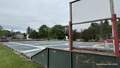
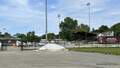
The committee is preparing for a Fire District vote on Tuesday, Feb. 28, at 7 p.m. at the elementary school to authorize the appropriation of $22,500,000 to construct a new station at 562-580 Main St.
The four different borrowing scenarios project an estimated $300 to $351 on the tax bill of a median single-family home assessed at $358,600.
Officials of the independent governmental body have been trying to reduce the cost to replace the current 72-year outdated building on Water Street.
The estimate earlier this year of $25 million has been reduced to $22.5 million; Williams College has pledged $5 million toward the project and the Select Board this week authorized $225,000 from American Rescue Plan Act funds.
"It's a tough decision for them because they have so many demands on them," said committee member James Kolesar of the board. "But it was clear they wanted to endorse the project with some amount of money and that's where it ended up."
Committee member David Moresi, who had represented the district at Monday's Select Board meeting, thought it "sends a big message. It shows a lot of support."
Members thought there was still potential for public and private grants.
"We have a project that's considered shovel ready. We can go after both state and federal grants," said Chair K. Elaine Neely.
Based on the rough figures of $706 per square feet calculated the designer, the reduction of 5,000 square feet would mean about $3.5 million in savings from the $25 million estimate.
Ryan Housman, a firefighter and member of the committee, said he had heard $750 and wondered where that number had come from. Decoteau said it was from recent bids on similar projects from EDM Architects and estimator Miyakoda Consulting.
Using that figure, savings could be about $3,750,000.
"I think 5,000 square feet is a huge cut," Housman, adding he understood the need. "I'm not a big fan of it personally."
Decoteau said the committee will also have to make decisions soon about Linear Park Drive and a choice of contractor. He suggested getting a smaller group together to work on the access to the site on Linear Park Drive regarding curb cuts and whether a traffic engineer would be needed.
SLR Consulting and Gifford Construction had both been consulted on site preparation and both recommended surcharging, or structural fill for, the site. The only difference is SLR was advising an extra 3 feet while Gifford was looking at monitoring.
The committee said it would expect to have proposals in hand before voting its March meeting.
Tags: fire station,