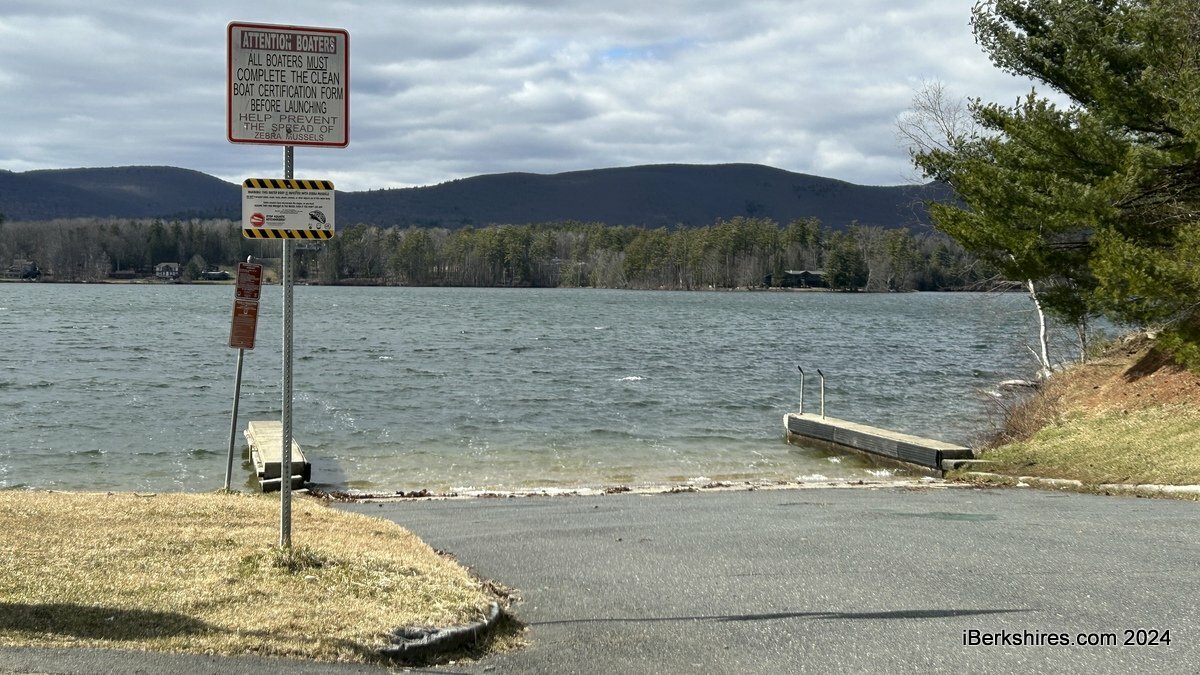
Pittsfield Grappling With Possible Zebra Mussell Infection at Onota Lake
PITTSFIELD, Mass. — After an alarming detection of zebra mussel DNA in Onota Lake, the city continues to grapple with a possible infection.
Last week, the Conservation Commission saw a notice of intent application for the application of EarthTec QZ pesticide within a specified treatment area of the lake.
After a detection of DNA in the fall, the water has tested negative in two subsequent samples but the city is preparing for a possible confirmation of the invasive species with a treatment plan.
"In the fall of 2023, the state alerted the city that a recent water sample taken to the public boat launch at Onota Lake contained a positive detection for the presence of zebra mussel DNA. Subsequent water samples taken in the vicinity of the positive sample in November and then in February did not detect zebra mussel DNA," Park, Open Space and Natural Resource Program Manager James McGrath reported.
"The city is working closely with the state on additional sampling to determine whether there is a pioneer infestation of zebra mussels in Onota Lake or not. If it's determined that there is a certainty to the presence of zebra mussels, the city's interest is to define the boundary of the organisms and undertake a control strategy using a copper-based state-approved chemical called EarthTec QZ, one that has been recommended by the state's zebra mussel expert."
Further eDNA sampling will occur again in the spring and if it does not reveal the presence of zebra mussel DNA, additional scuba surveys will be done in the spring and summer. If the invasive species are present, they are likely to be a new introduction and won’t reproduce until water temperatures rise, giving time to determine the next steps.
"The treatment plan presented here proposes to isolate and eradicate mussels in response to early detection, as control or management of an established dreissenid mussel invasion is unrealistic and would result in significant economic and ecological damage to Onota Lake," the application states.
The pesticide is registered by the U.S. Environmental Protection Agency and is effective at killing adult mussels and preventing settlement and infestation by larval-stage veligers.
The notice of intent was filed for the use of the control strategy but following the submission, it was determined that the best course to permit the activity is through the state Ecological Restoration Limited Project. Because of this, the commission continued the hearing on the application.
"We plan to submit additional information to your commission and to the state DEP and other project partners at the state which seeks to permit this activity as an ecological restoration project," McGrath said.
Zebra mussels are invasive freshwater mollusks that present a variety of ecological, recreational, and economic concerns. In 2009, they were detected in Laurel Lake and its outflow in the Housatonic River in Lee/Lenox and since then, the city has worked with the state Department of Conservation and Recreation to proactively monitor and bring awareness to proper boating care to help prevent the spread from one waterbody to another.
Resident Daniel Miraglia was "puzzled" about the NOI.
"Because we look at the Notice of Intent application, we already have a specified treatment area designated for treatment yet we have not specifically found any zebra mussel colonies in Onota Lake," he said.
"You have one suspected hit on a DNA minute sample and then we have consecutive tests that have come back negative."
When the city notified the public about the detection in November, community members were asked to refrain from boating activities before ice-over, to remove docks, mooring, and buoys from the water, to inspect recreational equipment that comes in contact with the water, and to wash any equipment that comes in contact with the water followed by sun drying for five days.
Miraglia added that he is not saying the city shouldn't move forward to use scuba testing and identify a colonization but thinks the application should be withdrawn.
"There is no colonization but yet we have signs up all over the lake that say this lake is contaminated with zebra mussels," he said. "I think they were pretty premature putting the signs up that basically says this lake is infested and that's what the sign says 'This lake is infested with zebra mussels,' but yet we have yet to find any."
He said the first thing that needs to be done is to determine if the invasive species are in the lake with continued testing in warmer temperatures and then look at a plan to get a case study on the pesticide at Laurel Lake to see if it would work for Onota Lake.
Tags: onota, zebra mussels,