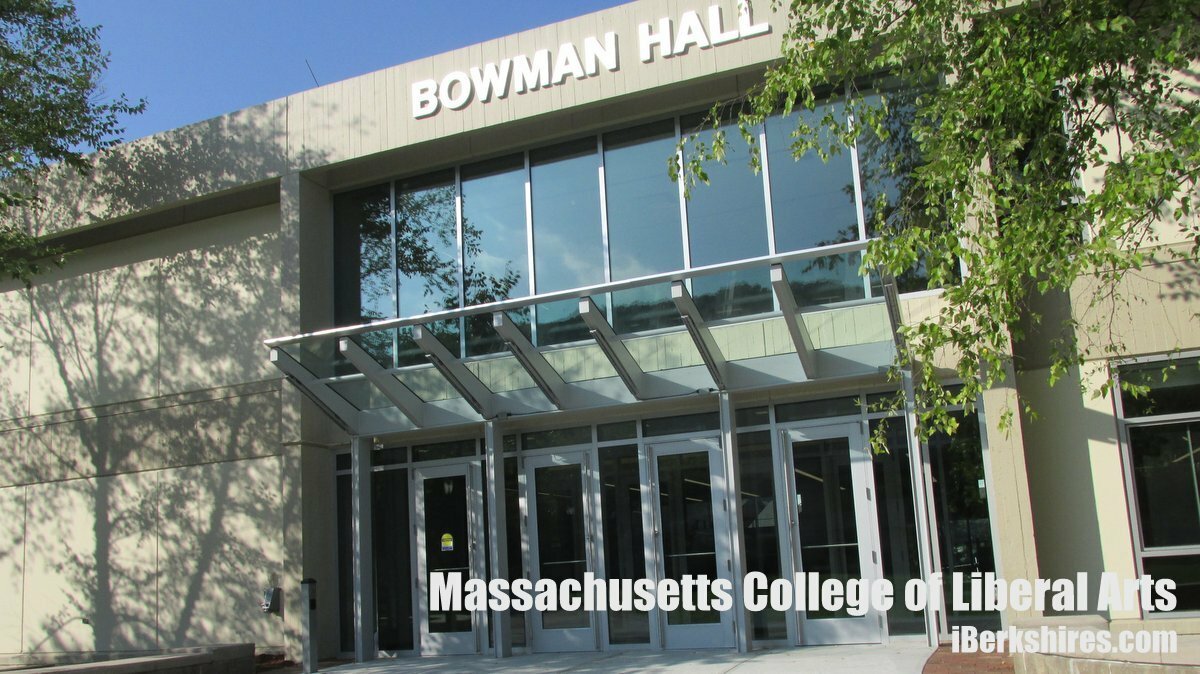
MCLA in Talks With Anonymous Donor for Art Museum, Art Lab
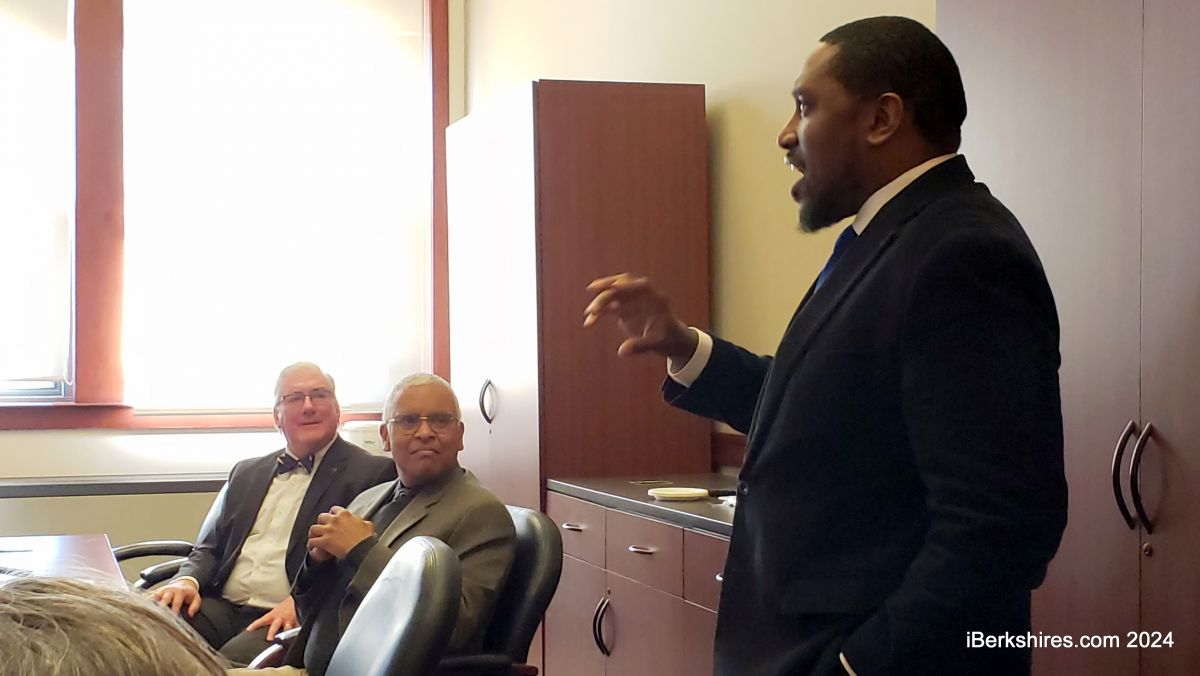
Andre Lynch, the new vice provost for institutional equity and belonging, introduces himself to the trustees, some of whom were participating remotely.
President Jamie Birge told the board of trustees on Thursday that the college has been in discussions for the last couple years with a donor who wishes at this point to remain anonymous.
"It's a donor that has a history of working with public liberal arts institutions to advance the arts that those institutions," he said. "This donor would like to talk with us or has been talking with us about creating art museum and an art lab on campus."
The Fine and Performing Arts Department will have input, the president continued. "We want to make sure that it's a facility that supports that teaching and learning dynamic as well as responding to what's the interest of donor."
The college integrated into the local arts community back in 2005 with the opening of Gallery 51 on Main Street that later expanded with an art lab next door. The gallery under the Berkshire Cultural Resource Center had been the catalyst for the former Downstreet Art initiative; its participation has fallen off dramatically with changes in leadership and the pandemic.
This new initiative, should it come to pass, would create a facility on MCLA Foundation property adjacent to the campus. The donor and the foundation have already split the cost of a study.
"We conducted that study to look at what approximately a 6,500-square-foot facility would look like," said Birge. "How we would staff the gallery and lab, how can we use this lab space for fine and performing arts."
A gift agreement has been drafted and initially approved by the donor and their attorneys. Birge said this would cover the cost of construction, opening the building, building an endowment to manage the collection and the operation of the facility for three years. The total cost is pegged at $8 million to $10 million.
The donor is an artist so the collection given to the college will be their work. Birge anticipated he would be able to give the trustees an idea of what the donor wants to do before the end of the year.
This will not be the donor's first give to a public liberal arts college, said Birge, who cautioned the trustees that the talks are at the midpoint.
"It is hard not to get excited but we're also tempering that excitement," he said.
There was also good news on the financial front as the projected budget gap for fiscal 2024 has dropped by nearly two-thirds.
The college had gone into the new year $2.5 million short even after cuts including a dozen staff reductions, with plans to dip into reserves to cover the gap.
"The good news is that we continue to trend positive to budget, which have pretty much all year long," said Trustee Denise Marshall. "As of February, our net revenue exceeded the budgeted revenue by approximately $400,000."
She said it was important to note the accounting is on a cash basis that creates a timing difference between revenue coming in and payments going out.
"But even taking this into consideration, we're expecting a positive trend continues for the rest of this fiscal year," Marshall said. "Ultimately, this means that projected loss at year end will be less than a million dollars versus the projected loss of $2.5 million."
She estimated the actual gap will be less than $900,000 and there's the possibility they may not have to draw any reserves.
Trustee John Barrett III, who participated remotely, questioned where the revenues were coming from and asked about the staffing cuts.
"I would say a significant amount of that is unfilled positions or savings on salary," said Marshall.
Joseph DaSilva, vice president of administration and finance, said it wasn't 30 or 40 like Barrett had mentioned but around a dozen. But there were also variables related to open positions because of staff coming and going during that period.
He said there were other factors including more part-time students and "other operational expenses are trailing less than what we had budgeted."
"It's not just one line that makes up that difference where the savings is coming from," said DaSilva.
Barrett asked several different ways for explanations of this boost in revenues.
"I feel as though this budget is being made up on the backs of those that are paying these [student] fees," he said, and asked for a breakdown of revenue in layman's terms. "I want to make sure the money coming in is going into the classroom."
Birge said he would provide Barrett with the information.
"It is about a better, richer payer mix of out-of-state students that came in because programs when we launched," said Birge. "We did see an increase in retention from fall to spring greater than we typically have, and we've controlled for expenses so we don't have as many expenses as we projected the beginning of the year."
In other news, the college received its 10-year accreditation from the New England Commission of Higher Education.
"It was an incredibly clean report their were only positive things said by HECHE commission in that we've met all of our standards," said Birge. The process took the hard work of many people including faculty, staff and students, he continued, "this is a win for everyone."
One of its recommendations, development of a strategic plan, gets underway this year.
• Marshall said the fiscal affairs committee has given preliminary review the fiscal 2025 budget that will include a small hike in fees. She expected to present it to the full board at its meeting on June 6.
• André Lynch was introduced as the new vice provost for institutional equity and belonging. He was most recently director of diversity equity inclusion at Berkshire Arts and Technology Charter Public School and has worked in equity roles in the State University of New York system, Syracuse University and the University of Nebraska. He's been at MCLA for three weeks.
Tags: fiscal 2024, MCLA,