Letter: Look for Facts in Bias Incidents
 |
To the Editor:
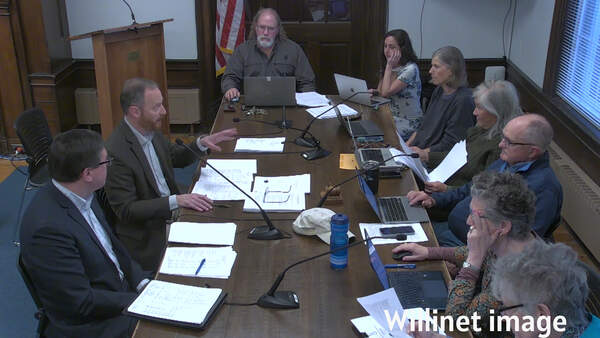
The May 13, 2024, article entitled "'The Roof is Caving In': Mount Greylock School Committee Hears Details of Bias Incidents." If reported accurately, and if I interpreted the article correctly, Mr. Dravis brought to light some extremely troublesome issues. If prejudice is occurring routinely in our schools and elsewhere in town, especially in those institutions under the auspice of town governance, a clearly reasoned plan must be created and implemented.
Also troubling in the article was "… the meeting also features some of the most frank commentary to date from district administrators about the shortcomings of the preK-12 district's efforts to address the problem." There are other quotes from the district leadership that indicated that as Superintendent McCandless said, "We are really just trying to find mechanisms that actually work. We have invested a great deal of money into this work, and as evidenced tonight by the things people didn't want to be saying because they're living in pain at home-the things we're doing aren't working."
Was any conclusion reached that indicated the next step? It seemed that some believed adding additional DEI efforts were in order. It seemed that others believed we should rethink the whole DEI movement.
Might the next step in addressing the prejudice "crisis" be to look for facts? Narratives are extremely important, and should be taken very seriously, but a closer investigation that values the facts of the alleged incidents might reveal different and/or additional perspectives.
Is there anyone who can argue that DEI is not a controversial approach to combatting intolerance? Is there anyone who can argue it has not furthered divisions in our community? It is difficult to judge because so many people are silent. How do we know what the community thinks? What they value?
Might we use our current confusion and frustration to revisit how DEI was introduced to the town? Was there an attempt to calmly encourage discussion with townspeople who questioned (not even challenged) the principles and strategies inherent in DEI before those principles were put into place ? Were there clearly stated MEASURABLE goals shared with townsfolk that could serve as a basis now as to how we should go forward? Taxpayers are, after all, are expected to pay the bills.
No question that mistakes have been made and by many people on all sides of the tolerance issue. Let us try to correct those mistakes and move on to create a tolerant and flourishing community.
Donna Wied
Williamstown, Mass.