Berkshire United Way to Massachusetts: Early-Learning Educators Need Better Wages
 |
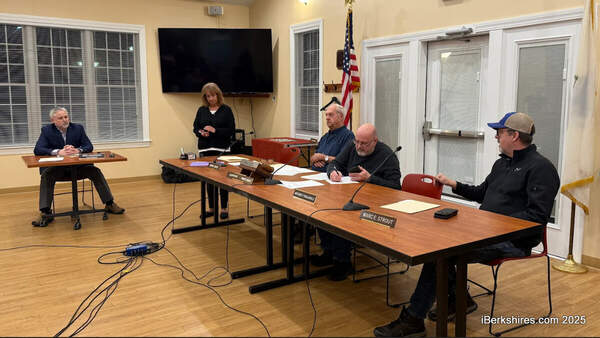
As reported in iBerkshires, state education officials met with Western Massachusetts childcare and early education advocates at Berkshire Community College recently. I had the opportunity to share the following testimony on behalf of Berkshire United Way and our community partners.
Early childhood education provides tremendous benefits to our region. High-quality child care dramatically influences brain development and the future health and success for children in school and life, as well as provides a safe and secure space for our youngest community members so their parents or caregivers can work and provide for their families.
Berkshire United Way has invested in improving early childhood development opportunities in the Berkshires for decades. We fund high-quality nonprofit child-care centers that provide slots for income-constrained families. We also support the sector by co-hosting monthly child-care director meetings to work on shared challenges and collectively propose solutions. We advocate for early childhood education and have a great partner in this work, state Rep. Tricia Farley-Bouvier.
Staffing is a key component of high-quality care. The research shows that skilled and consistent educators in a classroom create long-lasting change for children. However, wages are stagnant and frequently do not provide educators with basic financial stability. We often hear that educators have left the field because they are unable to make their finances work. Wages need to improve to better reflect the expertise and indelible impact teachers have in the field.
When we look specifically at our region, our data is concerning.
As Berkshire County emerges from the pandemic, we are struggling with transportation, affordable housing and lack of mental health resources, much like the rest of the state. We are also seeing a rise in economically challenged households.
After nearly 10 years of decline, Berkshire County has experienced a significant jump in income inequality, now exceeding the state and national trends and far above comparable counties, according to the Berkshire Regional Planning Commission. Over half of our population are "economically challenged," meaning they are working but struggling to make ends meet. A single parent with a school-aged child needs between $70,000 and $80,000 in income and public benefits just to meet their basic needs.
Too many of our local early childhood teachers and staff are part of the economically challenged population.
Early childhood compensation is a complicated issue. It will require examining a variety of workable solutions that can "road-tested" before engaging in large-scale efforts.
I commend Strategies for Children and the Massachusetts Early Childhood Funder Collaborative for researching compensation strategies. As I participate in these workgroups, it has become clear that compensation solutions should be piloted and evaluated regionally.
Massachusetts is a diverse state that should look at solutions that best reflect local needs and realities. Each piloted solution would be presented to state leadership, who could work on incorporating options to address this multifaceted problem.
Berkshire United Way is committed to addressing compensation for our early childhood educators and plans to launch in early 2025 a Berkshire County Advisory Group focused on solutions for sustainability across the early childhood system in the Berkshires. We expect this group will be the catalyst for creative and innovative solutions.
Early learning educators deserve livable wages that compensate for the quality and impact on our youngest neighbors and their families. Massachusetts understands the critical nature of a well-functioning child-care system and could lead the nation if it seriously addresses and comprehensively cracks the compensation conundrum.
Katherine von Haefen is the director of community impact at Berkshire United Way.
Tags: child care,