'Safe Haven' Facility Coming to Pittsfield
PITTSFIELD, Mass. — An upcoming supportive housing facility will be a "Safe Haven" for people struggling with mental illness, substance use disorder, and homelessness.
Christine Haley, Berkshires site director from the state Department of Mental Health, told the Homeless Advisory Committee on Wednesday that a Maplewood Avenue property will become a Safe Haven this summer. The facility will employ a "housing first" model to provide an alternative to shelter placement.
"The model is based on engaging people and eventually trying to get them housed," she said.
"You don't have to be agreeing to have treatment. You don't have to take medications. You don't have to be stable. You don't have to be sober. You don't have to want to be sober. It's a real harm reduction model."
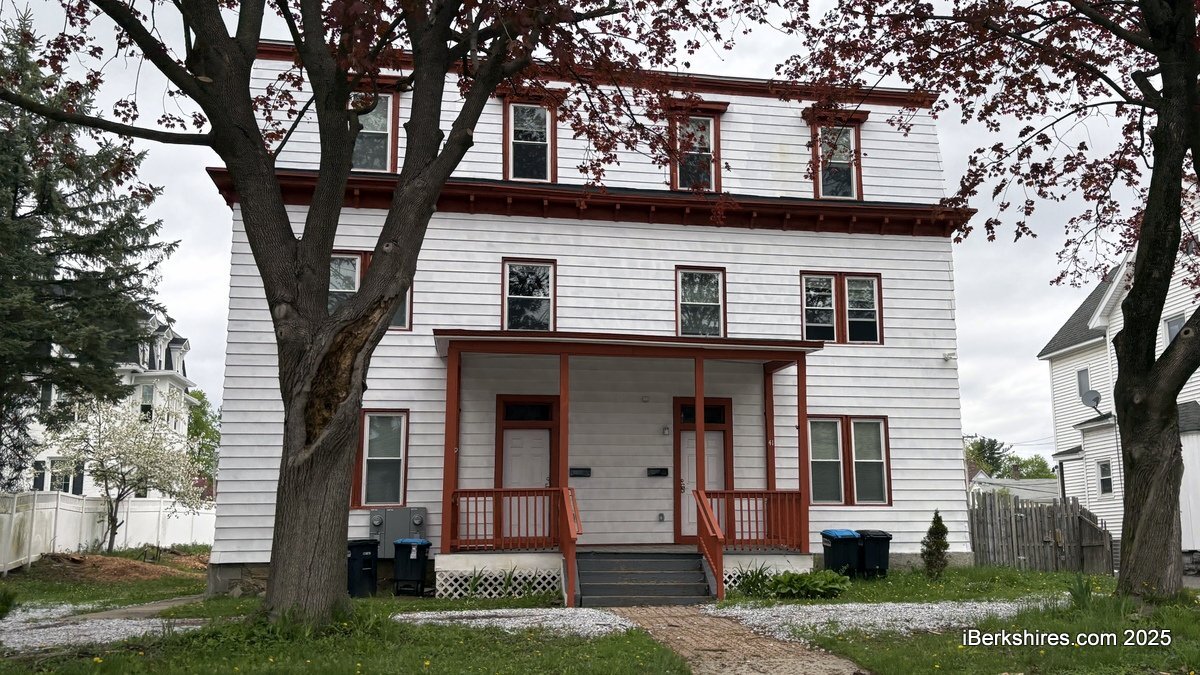
The seven-bed shelter is projected to open at the beginning of July and will be operated by Clinical & Support Options, a nonprofit community behavioral health agency. Job listings identify the location as 39-41 Maplewood Ave., a multi-unit building that was recently renovated.
The Safe Haven program serves chronically unhoused individuals who are also struggling with addiction and major mental illness conditions such as schizophrenia, bipolar disorder, depression, post-traumatic stress disorder, borderline personality disorder, and more.
The Massachusetts Association for Mental Health explains: "Many Safe Haven clients choose to engage (or re-engage) in behavioral health treatment, but this is not a requirement to receive Safe Haven housing. A successful transition to permanent housing — often with ongoing support services or directly into permanent supportive housing — is the most important goal and expected outcome for all clients."
For admission, a person has to be eligible for services from the state Department of Mental Health.
"They have to go through the eligibility process," Haley said.
"That means you have to have a major mental illness that is disabling enough for you to require additional supports beyond traditional outpatient therapy and psychiatric supports, and you also have to have a substance misuse issue, and you have to be homeless."
The referrals will come through DMH, which then works in collaboration with Clinical & Support Options. Haley explained that most of the application is signing releases of information on previous hospitalizations or treatments.
Erin Forbush, director of shelter and housing at ServiceNet, said she was consulted in preparation for the facility’s opening because many of the guests may come from the ServiceNet shelter, where the eligibility process can be started prior to a referral.
"I just really wanted people to know that there are already conversations going on about possible people in that this is a team that I have worked closely with," she said. "So I'm glad it's somebody, frankly, that I know."
Haley said the team is "very warm and ambitious," trying to meet with various agencies that potential referrals could come from.
"This is amazing information," committee Chair Kim Borden said. "I don't think we can hear it often enough."
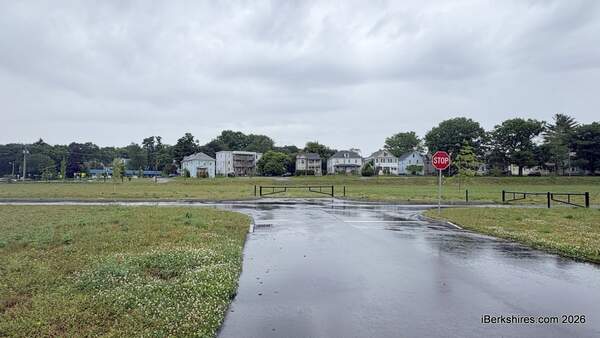
Also in Pittsfield, Hearthway Inc. is working on 37 new units of supportive housing, 28 on vacant land on West Housatonic Street and nine at Zion Lutheran Church on First Street.
The approximately $16 million project offers tenants a variety of services from partner organizations such as The Brien Center and ServiceNet. It also includes a 6,500-square-foot housing resource center in the church's basement, funded by the American Rescue Plan Act, with bathrooms, showers, laundry, offices for service providers to meet with clients, and more.
Tags: homeless, substance abuse,