image description
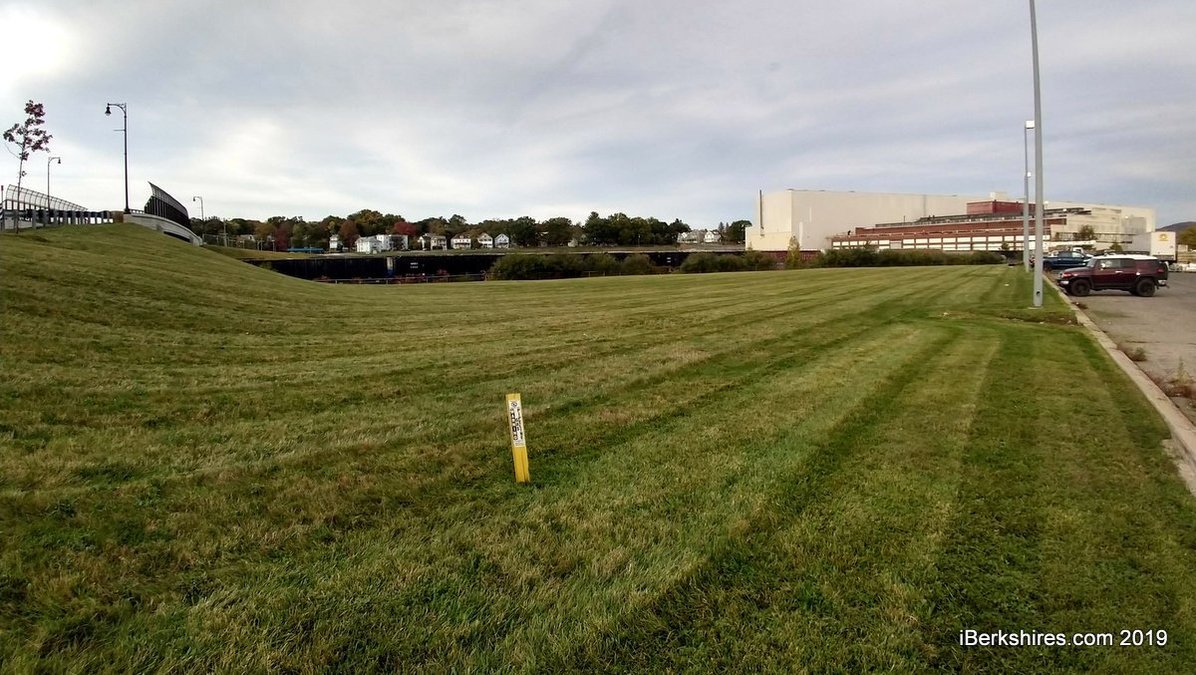
A marijuana cultivator plans to locate in the Stanley Business Park.

Marijuana Cultivators Eye William Stanley Business Park

By Jack GuerinoiBerkshires Staff
Print Story | Email Story
PITTSFIELD, Mass. — Marijuana cultivators Berkshire Kind plan to build a cultivation facility at the William Stanley Business Park.  
 
After a brief executive session Tuesday, the Pittsfield Economic Development Authority voted to support Berkshire Kind's intent to purchase land in the business park and erect a 20,000 square foot grow facility.
 
"We are excited to come in and work with the community and we believe that it is an important time for the industry," Philip Silverman, who owns the company with his brother Jeremy. "Doing things the right way is what will create a good base for this industry."
 
Philip, who currently lives in Brooklyn, N.Y., and has a background in finance and investment, said they reached out to PEDA and have been in communication since May. He said the area, community, and the board drew them to the area.
 
"The community has been welcoming and has been a great place to do this," he said. 
 
The proposed Tier 2 facility would be erected on Site 4, which is across the street from the future Berkshire Innovation Center. Jeremy Silverman, who lives in Albany, N.Y.'s Capitol District but plans to relocate to the area, said the 1.5-acre site that borders the parking lot is shovel ready. 
 
Berkshire Kind plan to open in two phases. In phase 1, it will construct the complete facility but for that first year will only use half of it. Philip said this would accommodate 5,000 to 6,000 square feet of canopy that would double in Phase 2. 
 
"There is a significant lack of supply in the cannabis market and you still have dispensaries that are limiting the amount you can purchase," Philip said.
 
He said they plan to invest between $2.8 million and $2.9 million into the facility. He said earnings from phase 1 should support phase 2
 
Philip said plan is to hire 12 full-time employees in the initial phase then bring on another eight to 10 employees.
 
The brothers said the field is new to them. Jeremy, whose background is in project management and development, said he attended school in Colorado in the 1990s so was able to gain some perspective on growing. He said they do plan to bring in professionals to help in the growing process. 
 
There is still a ways to go and the PEDA board only voted to support the project and authorize the program director to sign the option to purchase agreement once everything is finalized. 
 
"They voted to support the concept and to accept Berkshire Kind as the future owner of that property," PEDA Chairman Maurice Callahan Jr said. "The rest is semantics and the paper trail in between today and actually signing  it." 
 
The vote came with a non-refundable $10,000 option fee that allows the brothers to secure the site. Callahan said a site needs to be secured if Berkshire Kind wants to continue with the permitting process and that there is a cost for taking the property off the market.  
 
Philip said they are professionals and hope to take away some of the stigma associated with marijuana cultivation. He added that the companies name reflects two meanings. 
 
"We are in the Berkshires so we want to have that be part of what our company represents and kind is a term that has been historically used for high quality cannabis," he said. "And we want to be a kind company. We want to think about our community, our environment, and our customers." 
 
The Silvermans plan to be fully operational by this time next year.

Tags: marijuana,   PEDA,   
If you would like to contribute information on this article, contact us at info@iberkshires.com.

Berkshire Towns Can Tap State Seasonal Communities Resources

BOSTON — Governor Maura Healey announced that 18 additional municipalities across Massachusetts have been designated as Seasonal Communities, opening up new tools, support and grant funding to help them manage seasonal housing pressures. 
 
Created as part of the historic Affordable Homes Act signed into law by Governor Healey in 2024, the Seasonal Communities designation was designed to recognize Massachusetts communities that experience substantial variation in seasonal employment and to create distinctive tools to address their unique housing needs. The law also established the Seasonal Communities Advisory Council (SCAC).  
 
The Affordable Homes Act identified several communities to automatically receive the designation, including:   
  • All municipalities in the counties of Dukes and Nantucket;   
  • All municipalities with over 35 percent seasonal housing units in Barnstable County; and   
  • All municipalities with more than 40 percent seasonal housing units in Berkshire County. 
  •  
To identify additional communities, the Executive Office of Housing and Livable Communities (HLC) reviewed available data, specifically focusing on cities and towns with high levels of short-term rentals and a high share of second- or vacation homes.
 
In Berkshire County, Egremont, Great Barrington, Lee, Lenox, New Marlborough, Richmond, Sandisfield, Sheffield, West Stockbridge and Williamstown have been designated. 
 
"Our seasonal communities are a vital part of Massachusetts' cultural and economic fabric, but they're also home to essential workers, families, seniors, and longtime residents who deserve a place to live year-round," said Governor Healey. "That's why we're committed to supporting these communities with innovative solutions like the Seasonal Communities designation to meet their unique needs, and I'm thrilled that we're offering this opportunity to 18 additional communities across the state. Everyone who calls these places home should be able to live, work and grow here, no matter the season." 
 
As with the statutorily identified communities, acceptance of the designation for municipalities is voluntary and requires a local legislative vote. HLC will open an application for newly eligible communities that haven't accepted the Seasonal Communities designation to request consideration. 
 
The Affordable Homes Act created several new tools for communities who accept the Seasonal Communities designation to be able to:  
  • Acquire deed restrictions to create or preserve year-round housing 
  • Develop housing with a preference for municipal workers, so that our public safety personnel, teachers, public works and town hall workers have a place to live 
  • Establish a Year-Round Housing Trust Fund to create and preserve affordable and attainable housing for year-round residents 
  • Create year-round housing for artists 
  • Allow seasonal communities to develop a comprehensive housing needs assessment 
  • Permit tiny homes to be built and used as year-round housing 
  • Permit year-round, attainable residential development on undersized lots 
  • Increase the property tax exemption for homes that are the owners' primary residence 
 
View Full Story

More Pittsfield Stories