'24 Olympic Hopeful Kuster Makes Best of Bad Situation, Stays on Track with Training
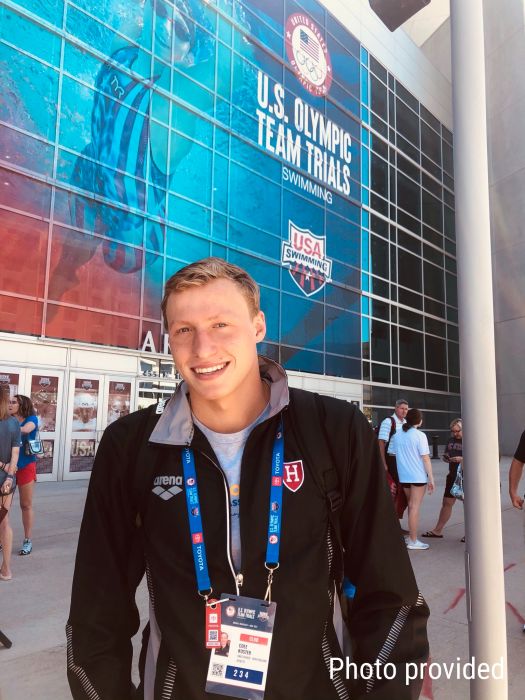
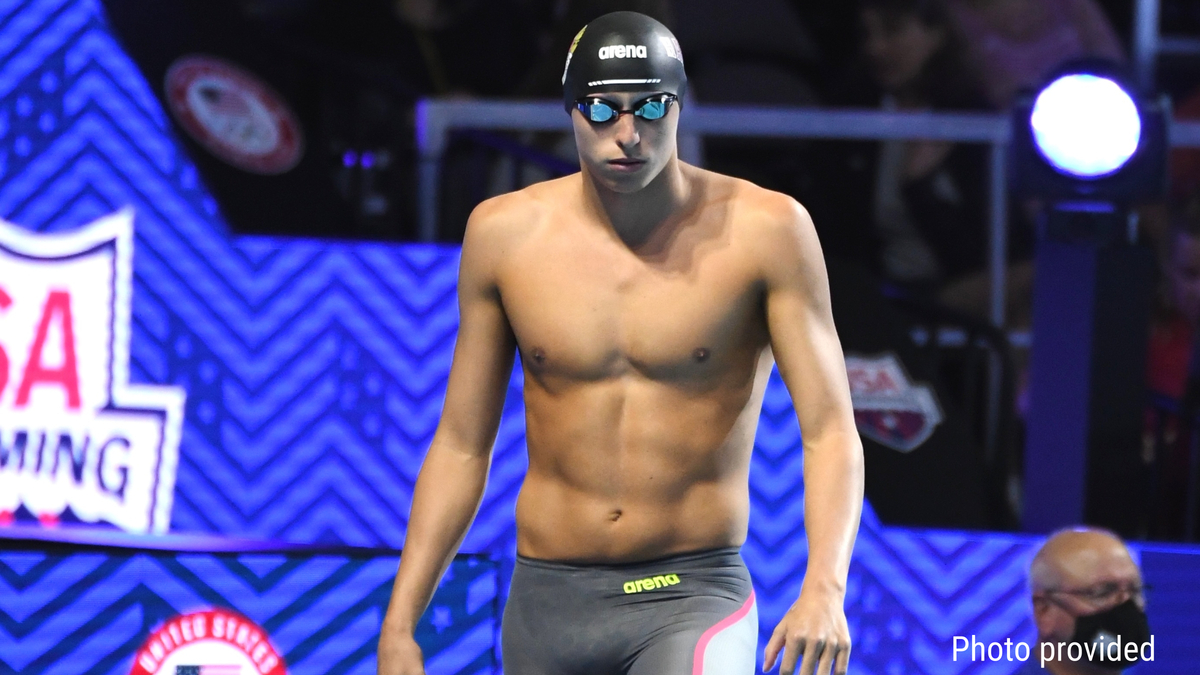
The venue was something different for the Harvard University sophomore. The experience of shaving time was anything but.
“For the past couple of years, I’ve been on a good trend in terms of dropping time,” Kuster said. “Since 10th grade, I’ve continually ramped up my training a little bit. In college, I started lifting weights. I continued my training and added the weights.
“This past year in San Diego was a little different from my training in college.”
“Different” is an understatement for the way most Americans lived their lives over the past 16 months, and Kuster was no different. But the 2019 Mount Greylock Regional School graduate found a way to continue pursuing his Olympic dream in spite of the global pandemic that, among other things, pushed the 2020 games into 2021.
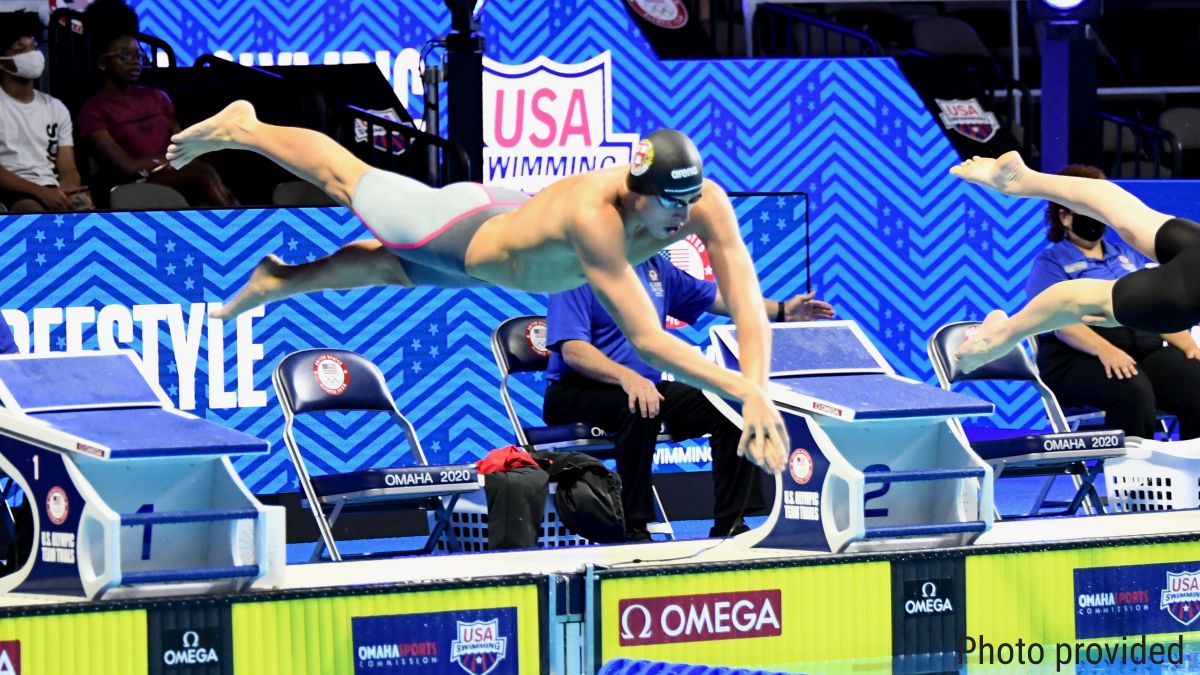
Kuster qualified in three events for the trials: the 400 meter freestyle, 800 freestyle and 1,500 freestyle. His best finish came in the 1,500, where he placed 11th out of 35 competitors in the trials, just missing a berth in the eight-man final.
Although he did not achieve his Olympic dream this time around, Kuster already is thinking about what it will take to get to Paris in 2024 … after he spends the next three years building on the all-Ivy League season he had as a freshman for the Crimson in 2019-20.
Back in the Berkshires after a busy week of competition at Omaha’s 17,500-seat CHI Health Center, Kuster took some time to chat with iBerkshires.com about the experience.
Question: What was it like being in that environment of the trials?
Kuster: It was an amazing experience. I didn’t know exactly what to expect. I had seen it on TV and heard about it from other people. But being there in person was totally different -- how big the place is, this massive arena with seating all the way around, the big Jumbotron. It was overwhelming. It made me nervous and anxious going into the first race, but after that, I settled down and enjoyed it.
I was surrounded by so many awesome people and fans and my family.
Q: Have you had a chance to compete with and be around Olympic-caliber athletes much in the past?
Kuster: I’ve been around Olympians before at national-level meets and things like that. But there never has been such a high concentration in such a small area. And this year, a lot of people made the Olympics for the first time. It was cool to be around them achieving their dreams and realizing it could be me in three years.
Q: What is the social environment like at the meet? Is there a lot of interacting with your competitors? All we ever see on TV is swimmers sitting alone waiting to compete, listening to their ear buds, looking off into space and things like that.
Kuster: Everybody has friends from all over from meeting random people at meets and things like that. You get to see a lot of old friends and people you haven’t talked to. There’s definitely a lot of talking and interacting.
If you sit there the whole time thinking about your races, it’s going to make you really nervous. And the meet is seven full days long, so you have a lot of down time between events. You may not have a race for another two days. You have to stay motivated and stay involved.
Q: How long were you out in San Diego [training with the Coronado Swim Association]?
Kuster: I was there from September until June 10. I came home for Christmas, but that was it.
Q: Were you taking classes the whole time?
Kuster: No. I took a gap year.
In June 2020, when we were still in quarantine, Harvard announced that we would not be allowed on campus or to train with my team. I knew taking online classes was not what I wanted to do. I had a taste of online the end of my freshman year.
I had an internship with an alumnus for the whole year. That allowed me to keep training.
Q: The internship was out there in San Diego?
Kuster: The alum is from San Diego, but the internship was all virtual. The reason I took it was because it was very flexible. I needed it to fit around my swim schedule.
Q: So while obviously no one would ever say the pandemic was a good thing, in a way it worked out for you in terms of finding these other opportunities?
Kuster: I think I definitely made the most of a year that would not have been so great. Not only was the training good, but I got some valuable experience with the internship, which will be good for other jobs in the future. I also met a ton of new people training on the team in San Diego.
All the pools were outside, so we were able to keep training through the pandemic.
I was just talking about this with my roommate. The last year could have been spent sitting around in our room, not getting out and training. This year could have been terrible. But we definitely made the most of it. I made the right decision on that front.
Kuster: Other things go along with that. Heading into the next trials, I’ll be a senior instead of one year after graduating. It will be easier to keep training after school right through the trials.
Q: So was the program in San Diego something they always offer for college athletes or was it something they set up just for the pandemic?
Kuster: There is a club team that swims out there, but this program was specifically made for college athletes who were not taking classes or who were taking [online] classes but also looking for someplace to have access to weight-lifting and training.
Q: How many athletes are we talking about?
Kuster: In the fall, there were probably 18 of us or so. And then in the spring, more people heard about it because we were telling our friends. In the spring it peaked at around 30 people down there, which was really awesome.
We did the social distancing and stayed in our own pods, but it was nice to have people to train with.
Q: Did they provide testing?
Kuster: We didn’t really do testing that much because we never left our small group of people, especially in the fall, before the vaccines started rolling out.
If someone did have symptoms, pretty much every club in the country was doing the same thing: They got tested and the whole team shut down for two weeks. Fortunately, that never happened where I was.
Q: What is left for you this summer? Are there any meets for you to compete in?
Kuster: I’m not sure about meets.There are some things kind of more local that I can go to. Right now, I’m taking a break from swimming. I’ve been going for nine months. I’m taking two weeks off and then training. I’m not sure if I’m going to any meets or not. I put a lot of mental energy into preparing for [the trials]. I’m not sure how soon I want to start racing again.
I’ll probably go to one, though.
Q: And do you think things will pretty much return to normal in the fall with school and the team?
Kuster: They’re doing full enrollment with everyone allowed on campus. They haven’t said anything yet about whether classes will be online or in person, but I imagine the majority will be in person. They did say the training, for the most part, will be back to normal, which is good.