Pittsfield Opioid Settlement Supports Community Partner Initiatives
PITTSFIELD, Mass. — Pittsfield will see a total of about $4.4 million in Opioid Settlement Funds to address addiction and prevention in the next decade.
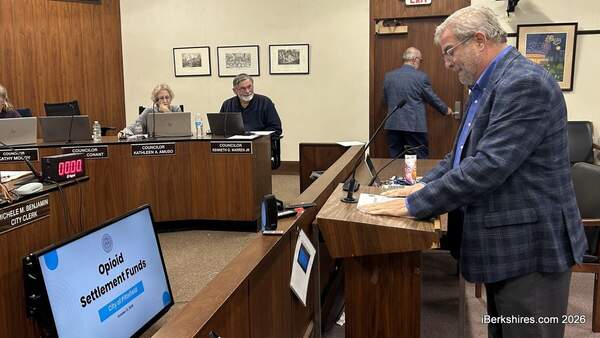
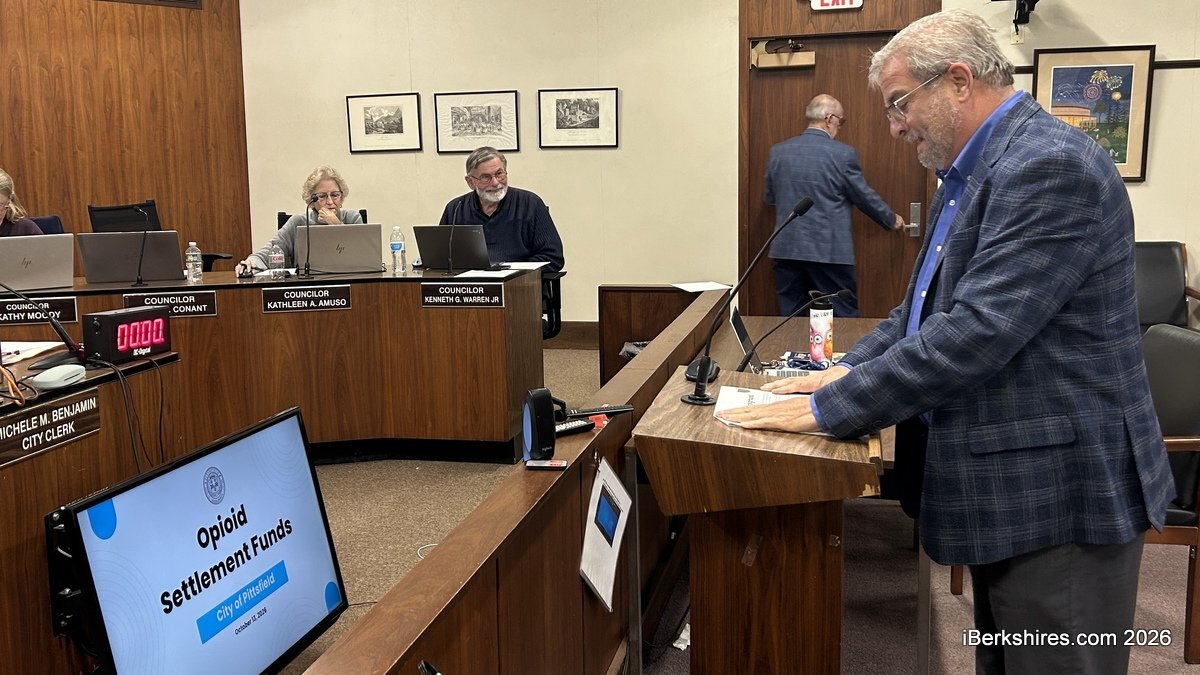
Last week, Mayor Peter Marchetti gave the City Council a presentation on the funds, which have payouts scheduled until 2039.
"That is just a quick update of where we've been. There's still a lot of work," he said.
Pittsfield joined Massachusetts and others around the nation in a suit against the pharmaceutical companies that contributed to the opioid epidemic. An Opioid Settlement Fund was created in 2021 between these companies and the Massachusetts Attorney General; the state received the funds and distributed them to municipalities so they can address issues around opioid addiction and prevention.
According to the state's dashboard, Pittsfield will receive $4,351,137 from the settlement between FY23 and FY39, $1,879,782 through FY27.
The city has spent about $207,500 so far, and allocated more than $481,053 to community partners:
- Alternative Living Center: $82,139
- Berkshire Community College: $33,000
- Brien Center: $56,914
- Community Legal Aid (grant matches through Rize Foundation): $10,000
- George B. Crane Memorial Center: $55,000
- Living in Recovery: $44,000
About $150,000 has been spent on city initiatives: salaries and benefits for three co-responders in the Pittsfield Police Department (about $134,000 to date) and two care team coordinators with the Pittsfield Health Department. About $15,600 has been expended for equipment and program evaluation, and additional funding will support peer outreach worker positions.
Health officials over the last year have worked to shape a program that connects individuals on the streets to needed services after the controversial camping ordinance was referred to them and scrapped; this initiative is taking its place.
Funds to the Alternative Living Center will support the development of a women's recovery facility; BCC's funding will help the college design and deliver a peer recovery training program; the Brien Center will use the funds to help expand access to medication for opioid use disorder; Living In Recovery will put those funds toward harm reduction, recovery support services, and community outreach.
The grant for Community Legal Aid matches for the Rize Massachusetts Foundation through the Mosaic Municipal grant Program for a legal assistance project to prevent homelessness by combating housing discrimination against residents with a history of substance abuse.
Marchetti pointed out that the George B. Crane Memorial Center was an American Rescue Plan Act recipient.
"One of the things that we were hoping is all ARPA programs would become self-sufficient. George B. Crane asked for another year in order to make that happen, so their contract is up at the end of November, and at this time we are probably not going to renew that," he reported.
Tags: opioid collaborative,