MassWildlife: Muskrats, Masters of the Marsh
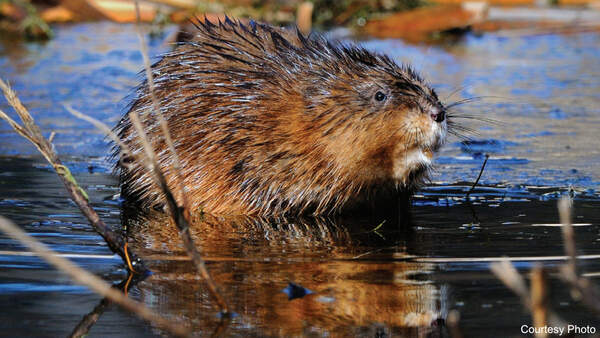
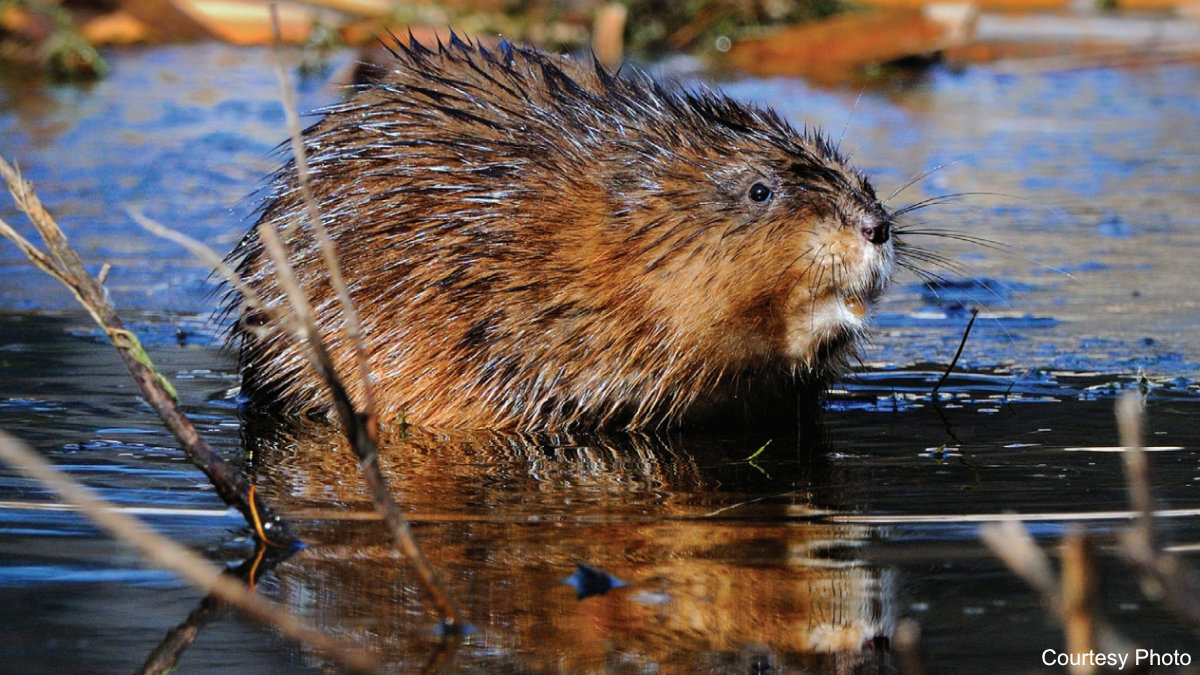
BOSTON — Despite their name and long, thin, naked tails, muskrats aren't actually rats. While muskrats are rodents, they're more closely related to voles than to true rats. Muskrats at a glance:
- Size: About 10–14 inches long (not including the tail), 5 inches tall, and weighing just 2–3 pounds.
- Coat: Thick, soft fur ranging from reddish brown to dark brown or black. Long, glossy guard hairs cover a dense layer of underfur that traps air, keeping the muskrat warm and helping it stay buoyant in the water.
- Feet: Sharp claws on both front and back feet help with digging.
- Tail: An unmistakable 8–10-inch, hairless tail that's flattened from side to side. It helps with balance on land and steering in the water.
Built for life in the water
Muskrats are remarkably well adapted to their aquatic lifestyle. Features that help them thrive in and around water include:
- Built-in protection: Their ears and nostrils automatically close when they dive underwater.
- A clever way to eat: Specially adapted lips allow them to bite and chew underwater without getting a mouthful of water.
- Impressive breath-holding: Muskrats can remain underwater for 15 minutes or more, thanks in part to their ability to tolerate higher levels of carbon dioxide in their blood.
- Warm feet and tails: A special circulatory adaptation reduces heat loss from their feet and tail while protecting these extremities from frostbite.
Home sweet home
Muskrats are adaptable animals that can thrive in a variety of climates and wetland habitats. Depending on their surroundings, muskrats build two different types of homes.
Bank burrows: Where suitable banks are available, muskrats dig tunnels into the shoreline. These burrows can be surprisingly elaborate, sometimes extending up to 45 feet! The entrances begin underwater and lead upward to chambers above the water table. Some burrows are used by multiple generations of muskrats.
Marsh houses: In marshes without suitable banks for burrowing, muskrats build their own homes. Using mud and vegetation, they construct mounds that are typically 4–6 feet across and 2–3 feet above the water's surface. Over time, the muskrat tunnels into the mound, creating a hollow interior with one or two chambers.
These houses aren't just cozy shelters. They can also provide an emergency food supply during long winters!
Family life, food, and survival
- Muskrats generally live in family groups consisting of an adult male and female and their young.
- Breeding season begins in late March or April. Females may have 1–3 litters each year, with 5–10 young per litter. Young muskrats usually remain within their mother's territory until the following spring.
- Muskrats are omnivores feeding on a wide variety of aquatic and terrestrial vegetation. They also eat freshwater mussels, snails, crayfish, frogs, and insects.
- Of course, muskrats are also part of the food chain. Their predators include mink, raccoons, coyotes, foxes, and raptors. The typical lifespan of a wild muskrat is about 3–4 years.
Become a muskrat detective
Ready to spot one of these furry residents? Grab your binoculars and head to a nearby pond, marsh, or wetland. Here are a few tips to improve your chances:
- Look along the shoreline—check dirt banks for burrow entrances.
- Keep an eye out for raised mounds of mud and vegetation in marshes.
- Muskrats are most active around dawn and dusk, but are known to enjoy feeding in sun on calm fall and winter afternoons.
Look for tracks.Muddy shorelines and snowy banks can reveal the distinctive trails left by their dragging tails. See the tracks of muskrats and other common Massachusetts animals.
Tags: MassWildlife,