Thanksgiving Angels Ensure Families in Need Have a Holiday Meal
PITTSFIELD, Mass. — Every year, families across the state gather around the table to share a hearty Thanksgiving meal and reflect on what they are grateful for. However, for many households, the rising cost of living and the financial pressures of the upcoming holiday season can make putting that meal on the table another source of stress.
Thanksgiving Angels is helping take that worry off their plates by bringing the community together to fill the plates of thousands of Berkshire County residents.
Each year, the need gets greatest, especially as families grapple with rising costs, from gas, groceries, heating, and electricity, in addition to many facing the loss of their food assistance benefits, said Gretchen DeBartolo, co-chair of the Thanksgiving Angels.
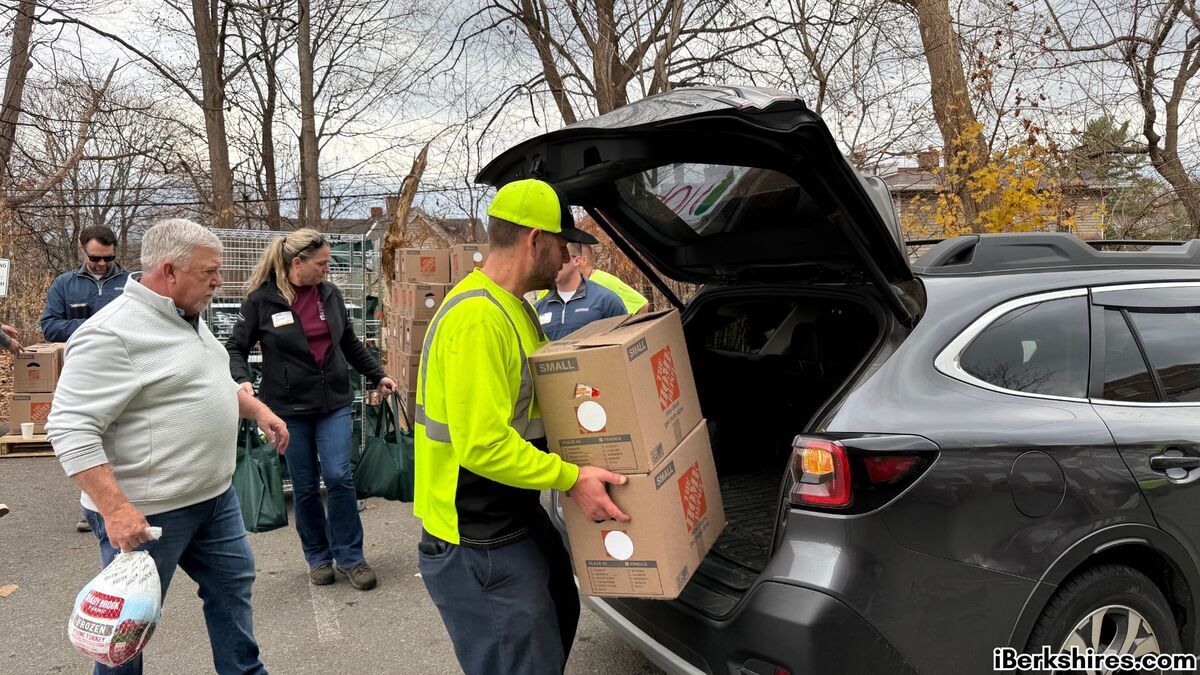
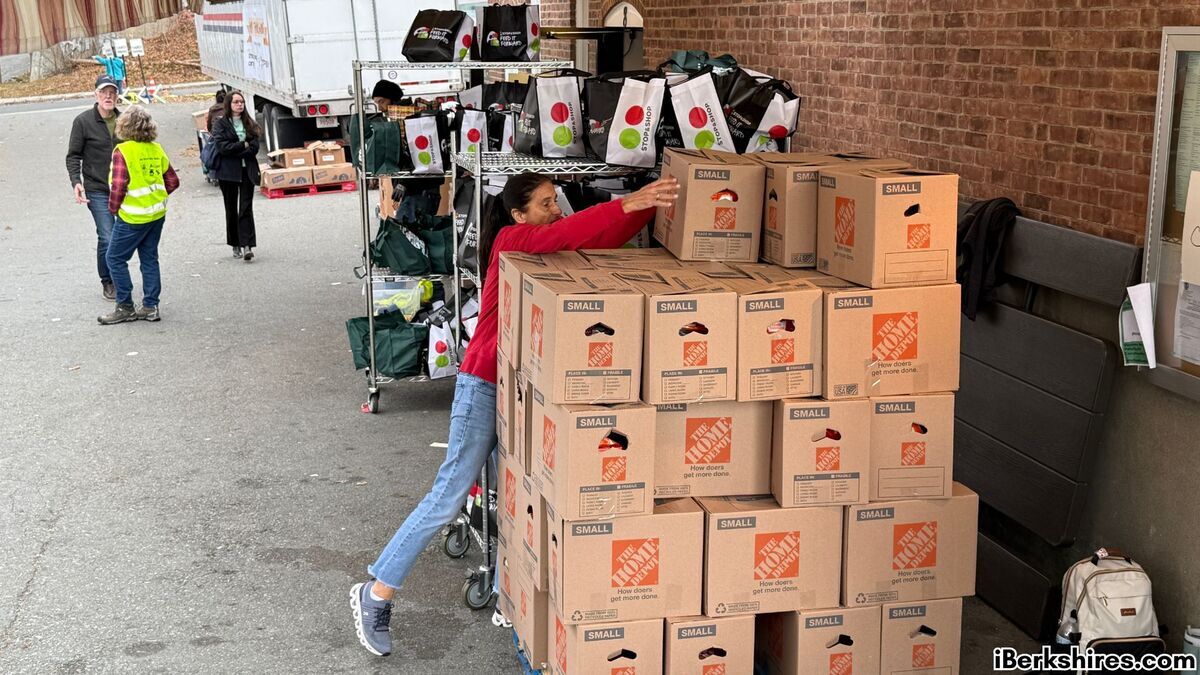
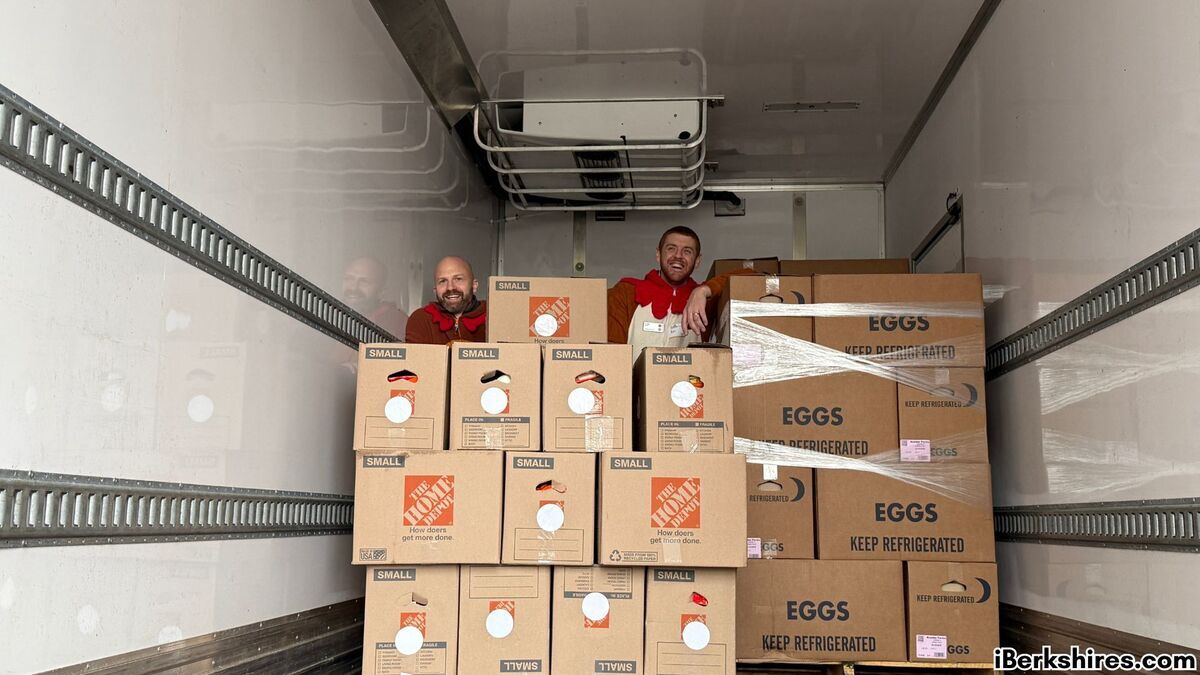
The organization is expected to provide Thanksgiving meals to approximately 2,500 households, giving out turkeys and the holiday essentials including potatoes, sweet potatoes, carrots, onions, celery, cranberry sauce, milk, butter, eggs and cheese, and a household necessity, toilet paper.
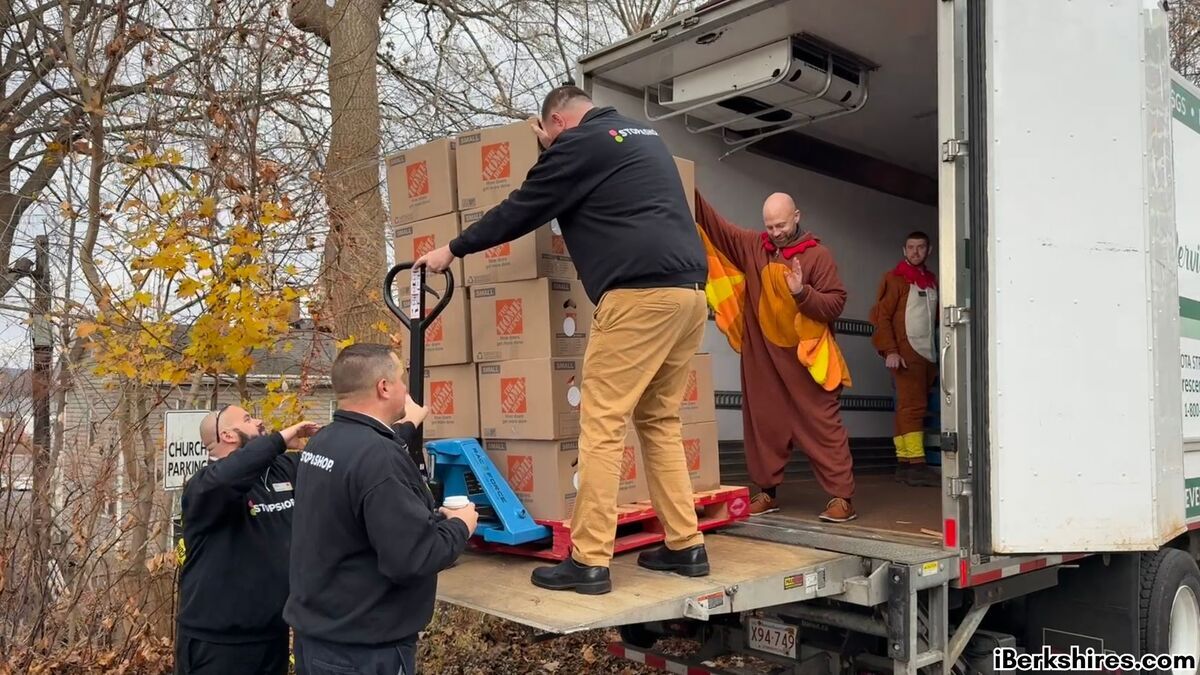
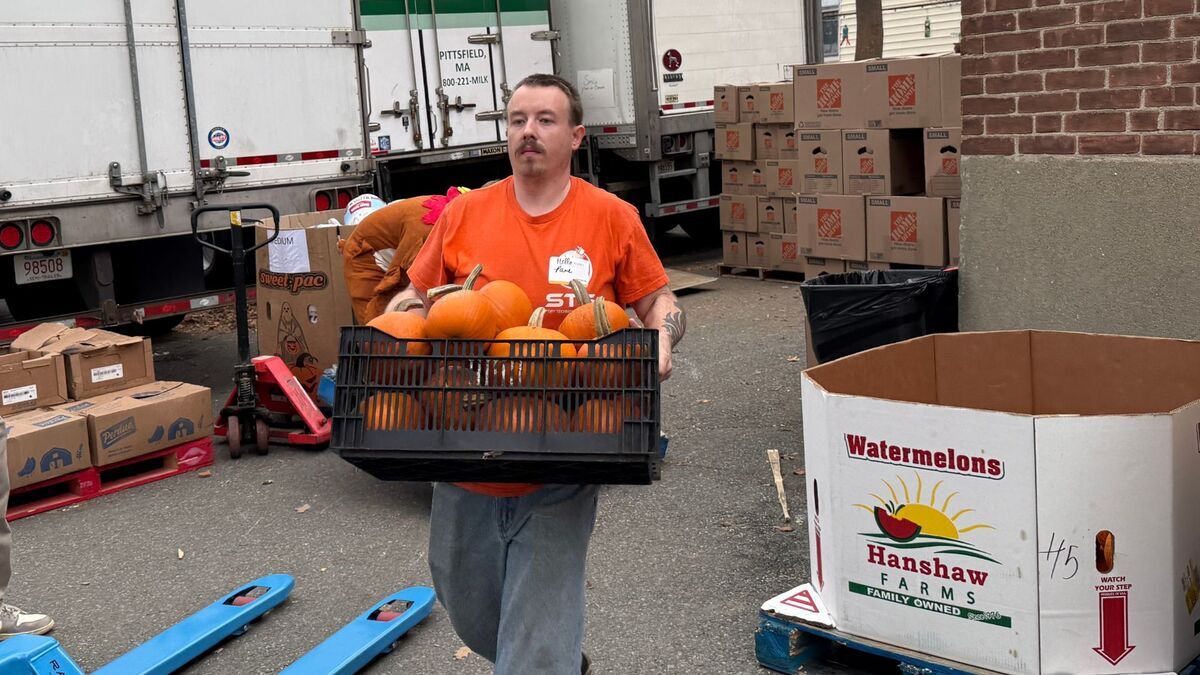
From hundreds of donated turkeys to thousands of pounds of fresh produce, local businesses and volunteers came together to make the holiday meals possible.
Stop & Shop contributed 400 turkeys, BJ's donated two pallets of turkeys, Crescent Creamery provided $5,000 worth of dairy products, and Marquisto Farms donated 2,500 pounds of onions and pumpkins. Community members across Berkshire County and parts of Vermont also baked bread for the occasion.
These meals help ease some of that financial burden allowing families to focus on spending time together rather than worrying about how to afford the holiday, DeBartolo said.
"They don't have to pick between, 'are we going to have a Thanksgiving meal or are we going to have heat this week,'" she said.
Unlike other holidays, Thanksgiving doesn't come with the added financial pressure of buying gifts; rather families and friends come together and appreciate each other and what they have, said Hope Amandos, the Angels other co-chair.
Without the support from the community none of this would be possible, she said.
"We come from the most generous, giving community anywhere. People have opened their wallets. They send us money. They come out here," she said.
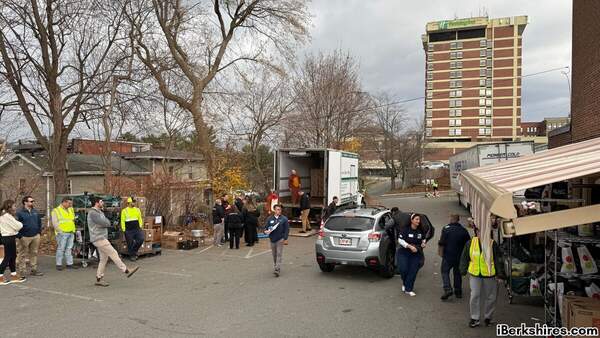
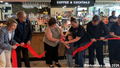
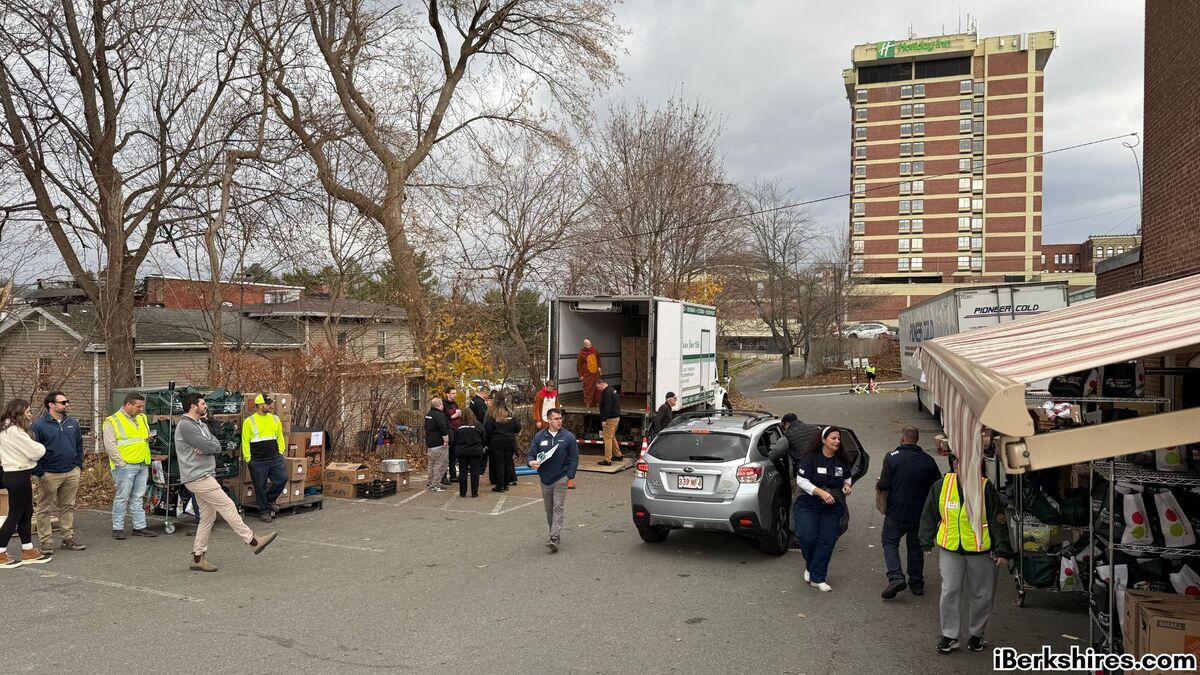
For years, dozens of community volunteers bundled up in winter jackets as they loaded cars, braving the November cold. This year, the weather brought an unexpected change to the heartwarming tradition, with Monday being warmer than usual.
Several businesses throughout the county also sent representatives to serve as volunteers, including Haddad, Casella, Beacon Bank, Greylock Bank, and more.
"I think the collaboration is great … It shows an entire community it takes to put on events like this and businesses and volunteers from everywhere to be able to to accomplish something like this," said Casella said Division Manager Stephen Haeder.
In addition to donating turkeys and sending in volunteers, Stop & Stop brought in its mobile food truck, distributing hot chocolate, hot cider, and snacks to the volunteers.
"We do a lot of community events … it goes to many different events in the communities, and today's purpose is just snacks and bringing awareness to the community that we're out here trying to help out," said Stop & Shop store manager Jeff Delude said
Many of the families receiving Thanksgiving Angel packages are also customers, he said, highlighting their effort in showing the community that their commitment expands beyond selling groceries.
"It definitely takes a community because there's a lot more involved here than just us, and it's awesome to see other businesses and what they're doing to help support the community as well," Delude said.
Casella representatives echoed that sentiment, emphasizing that because the company serves the community, it is equally important to give back and show that they are partners, Haeder said.
"We live and work in this community also, and we just want to give back, and show that we're part of them," said operations manager Carrie Decker.
The need is clear, especially when you look at the food pantries in the area and the increased in prices, Haeder said.
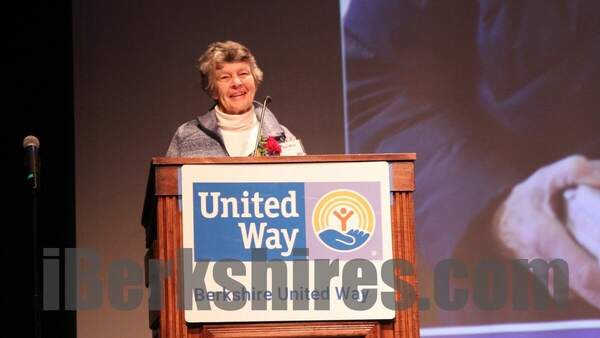
The Thanksgiving Angels were founded by Mary Wheat, who was unable to attend this Monday's event. She died on Tuesday at age 93.
Tags: donations, holiday story, thanksgiving,