Berkshire County Turtle Rescue Gives Injured Turtles a Second Chance
PITTSFIELD, Mass. — The wind rustles through the trees as footsteps crunch along the dirt path. Inside a black bin, a rehabilitated turtle waits, unaware that its journey of recovery is nearly over.
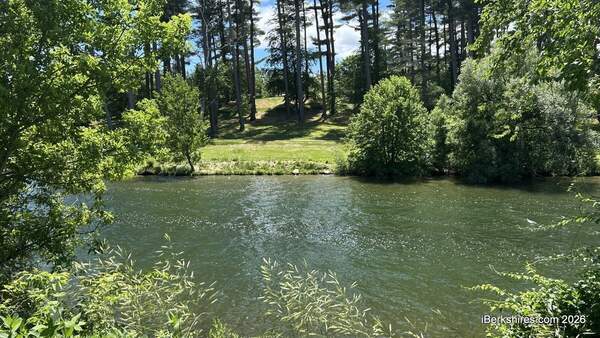
Then the lid opens. Sunlight pours in. The sound of the nearby river and the scent of fresh grass welcome it back to the place where it belongs.
Gently lifted and carried to the water's edge, the turtle pauses — taking in the familiar sights and sounds of home.
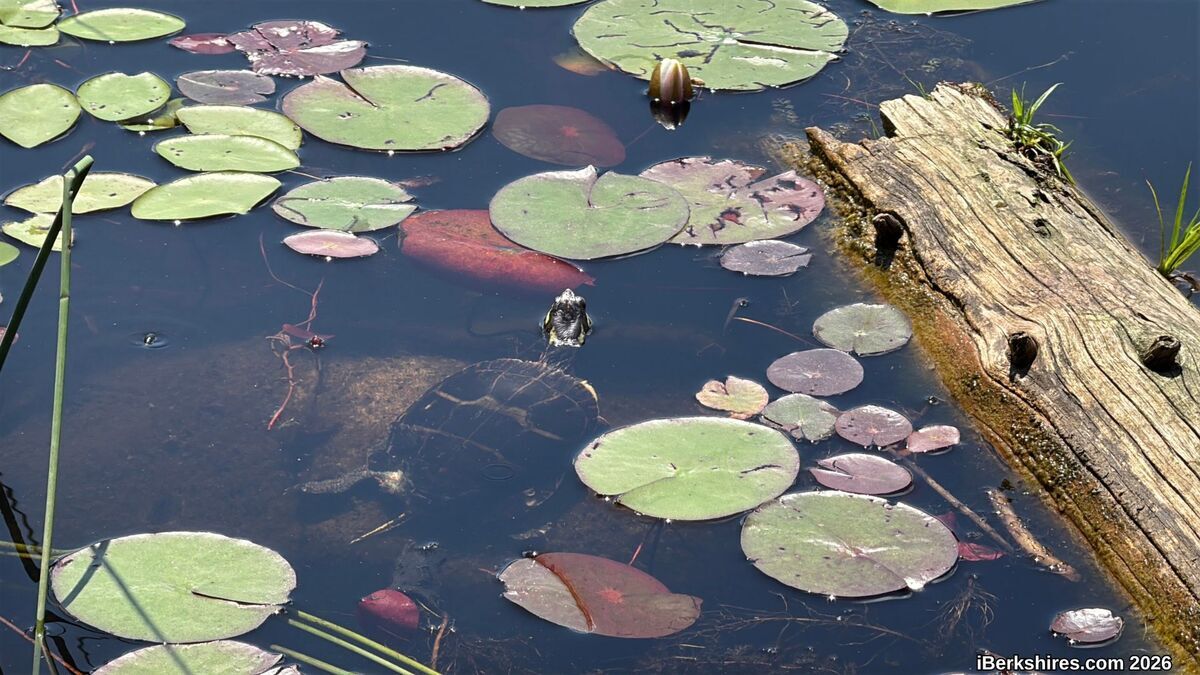
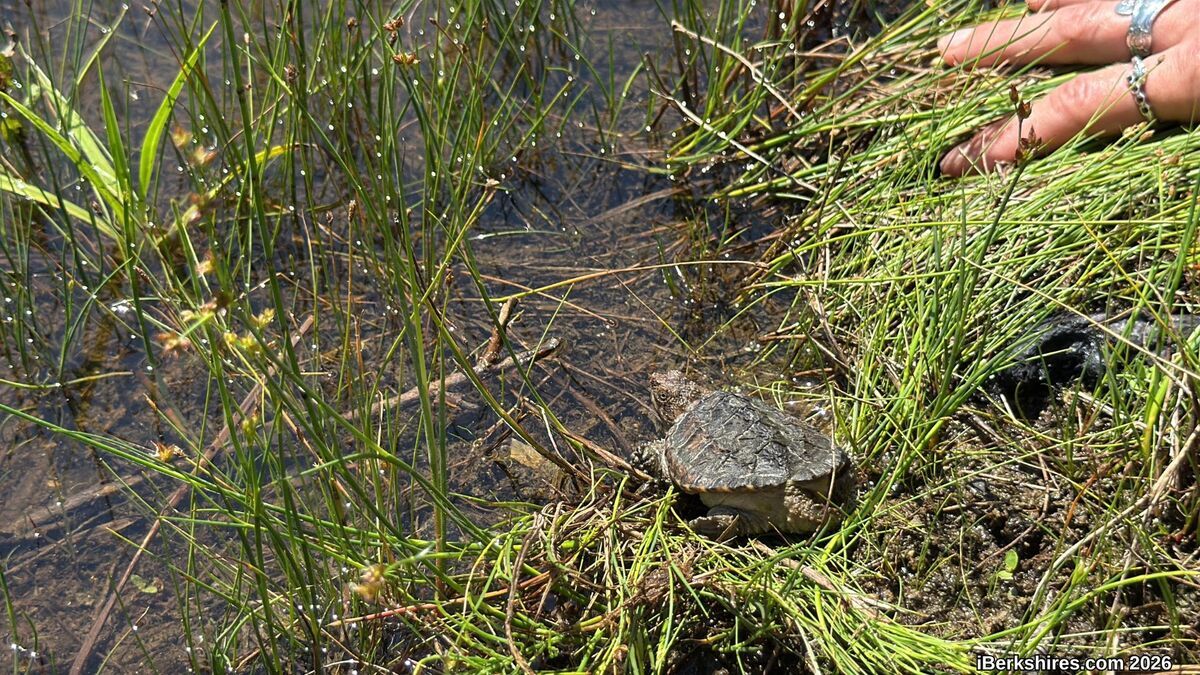
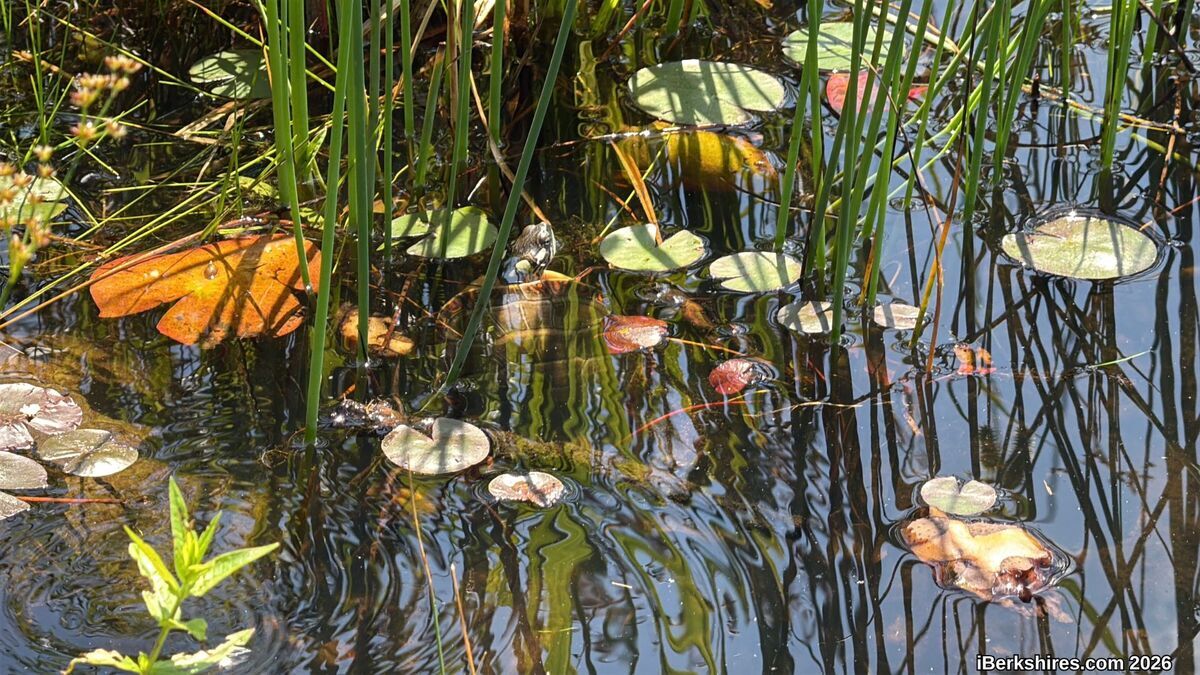
Slowly, it finds the courage to embrace its freedom, swimming between fallen branches and greenery or burrowing into the mud beneath the shallow water.
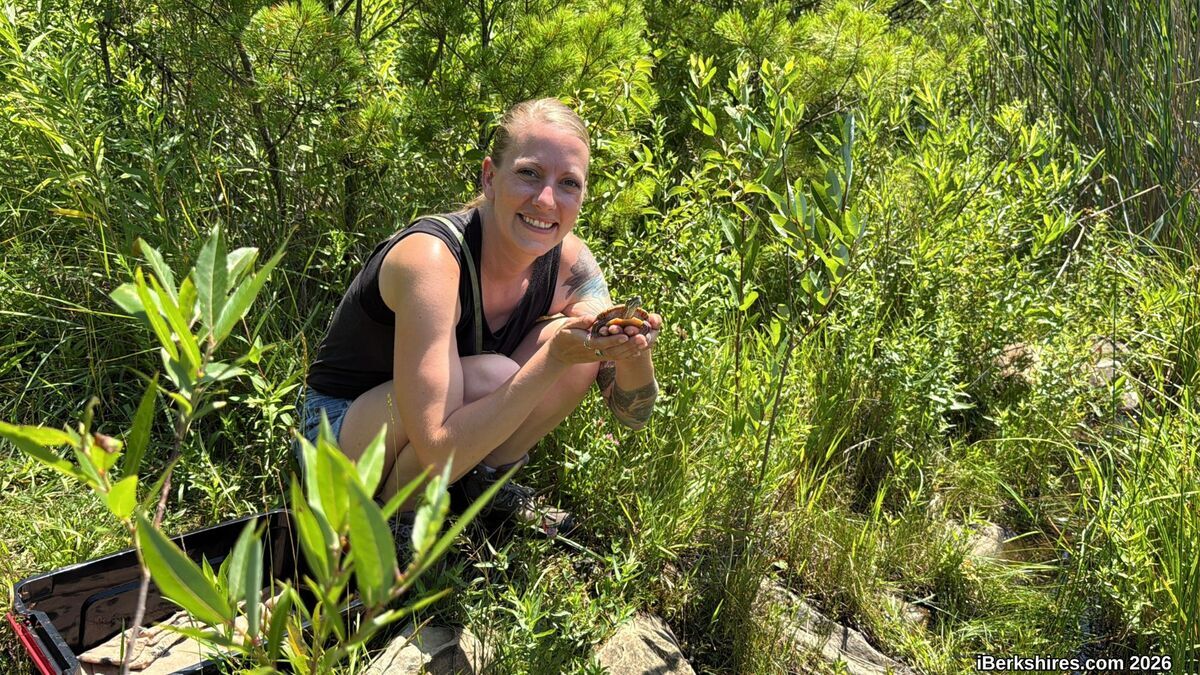
This is just a glimpse into the work of wildlife rehabilitator Tracy Zustra, founder of Berkshire County Turtle Rescue, one of the few organizations dedicated to rehabilitating turtles after injury.
In addition to turtles, Zustra rehabilitates snakes and other amphibians.
"I have some American toads right now," she said.
By day Zustra works as an activities director, but when she gets a call that there is a turtle in need, she is there.
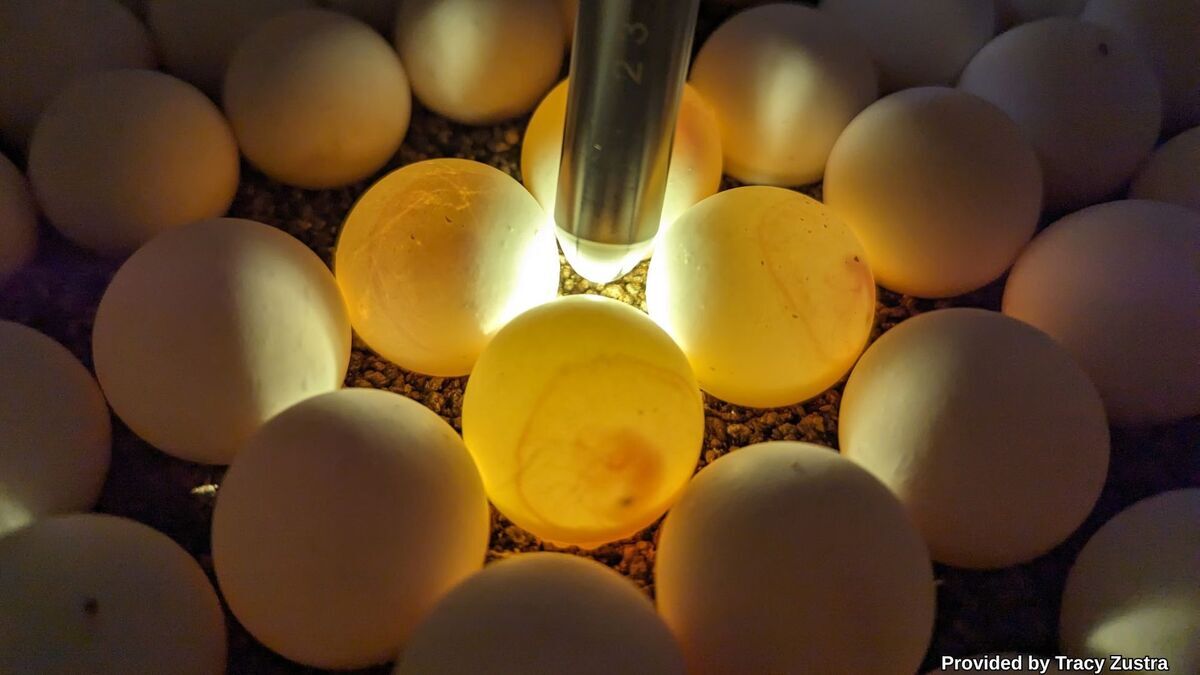
Currently, she is caring for about 40 turtles and incubating roughly 100 eggs. While the number of turtles she rehabilitates varies each year, her workload has increased yearly.
Last year, she cared for more than 130 injured turtles and hatched more than 200 eggs. So far this year, she has already helped 90 turtles, and the turtle activity season is only halfway over.
"Egg-laying season has ended so there are not as many turtles crossing the roads, but for the rest of the summer and into the fall, they'll still be trickling in a little bit," she said.
"But I'm hoping it'll be a little less than last year now that people are becoming more aware."
As the number of turtles she helped grew, so did the cost associated for them, from medical care to supplies and food. Zustra soon realized she needed the community's help and so her nonprofit Berkshire County Turtle Rescue was born in February 2023.
"All of the funds that are donated go straight to all of the turtle care," she said.
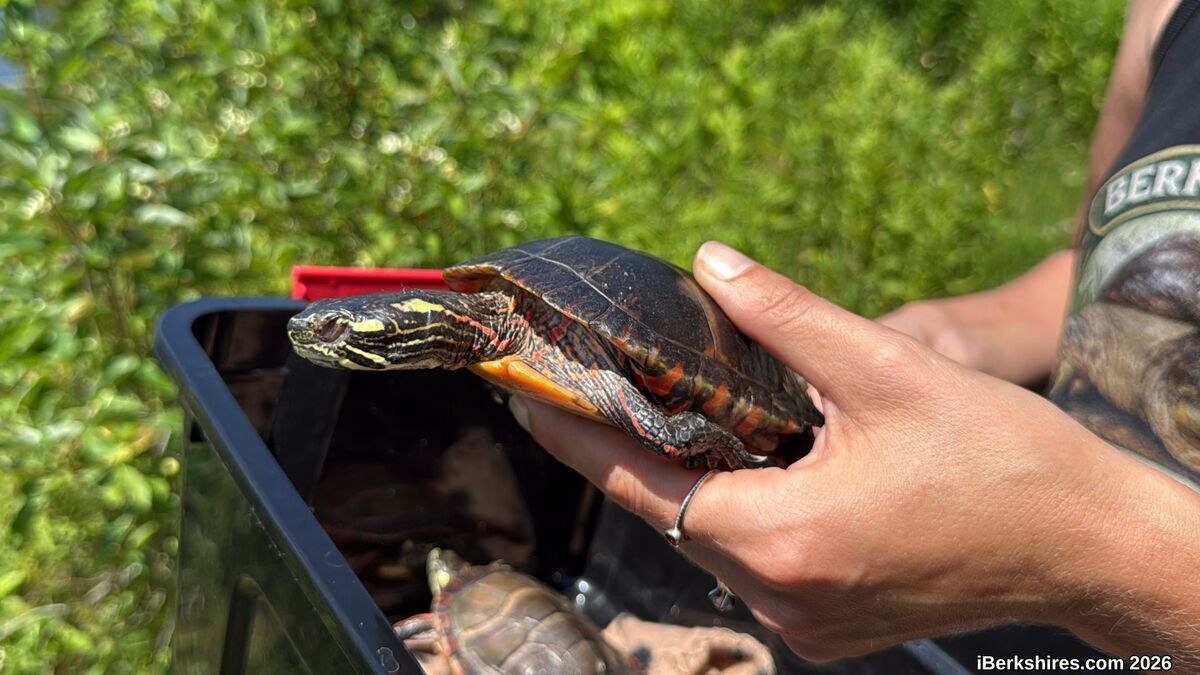
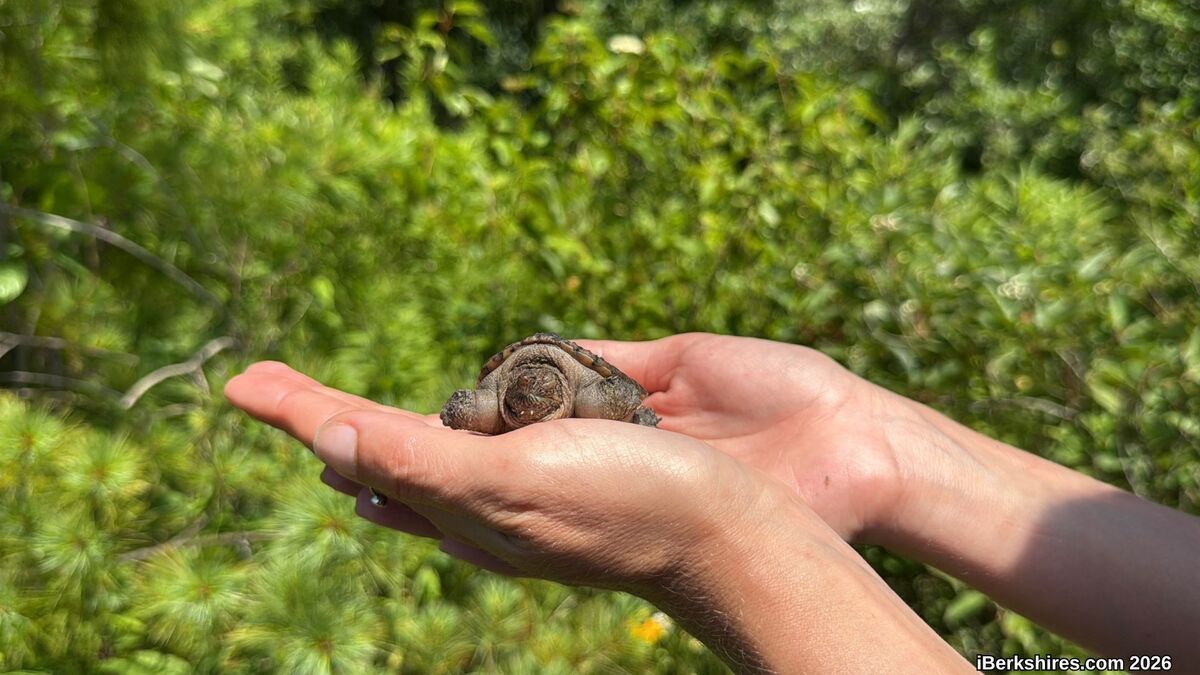
iBerkshires joined Zustra on a hike at Wild Acres trailhead, where we released two adult eastern painted turtles, one yearling eastern painted turtle and one yearling common snapping turtle.
Turtles are a keystone species that help indicate how healthy the waterways are, whether it's rivers, bogs, ponds, or lakes.
They also function as a natural clean-up crew, keeping the waters disease-free by consuming decaying animals or plants, passing on the seeds, and helping regenerate ecosystems by spreading seeds, she said.
As human infrastructure continues to expand, natural ecosystems are being destroyed, displacing a lot of animals.
"Wildlife really needs our help," Zustra said.
Throughout her 15-year career as a wildlife rehabilitator, Zustra has dedicated herself to helping the injured. Her work began with squirrels and opossums before she turned her attention to turtles six years ago, growing her efforts to protect and rehabilitate these animals ever since.
"They're very slow to reproduce, and they cannot keep up with the destruction, habitat loss, the roadway loss, and six out of our 10 turtle species in Massachusetts are endangered, and they just continue to decline," she said.
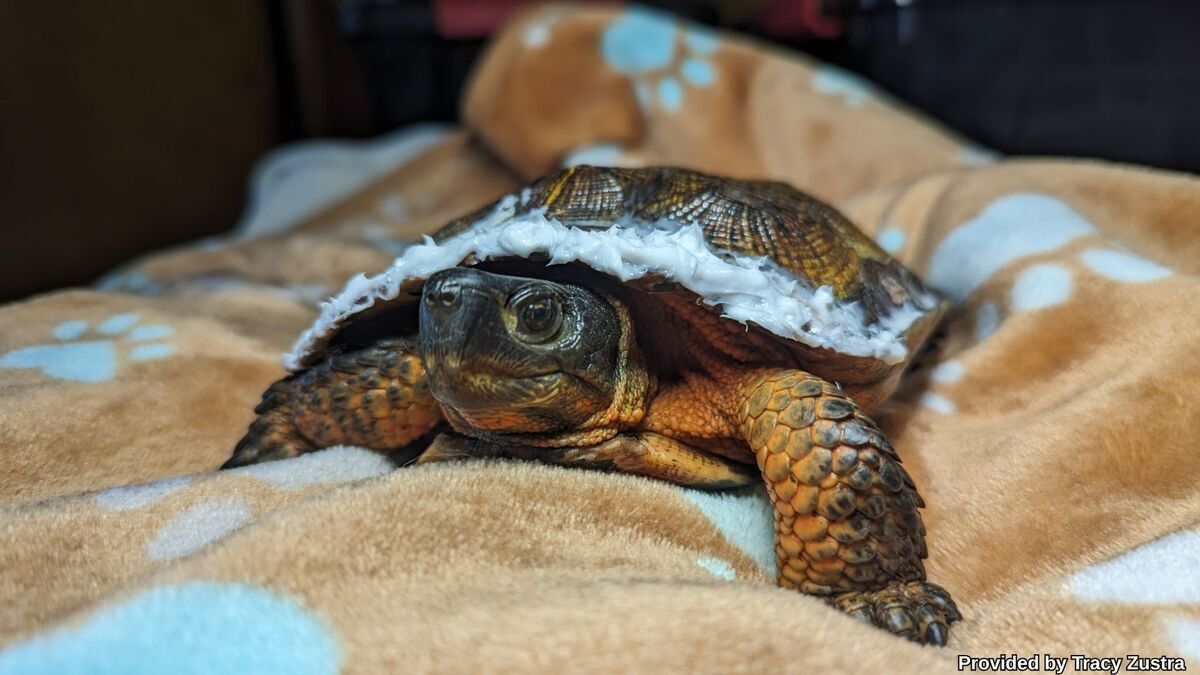
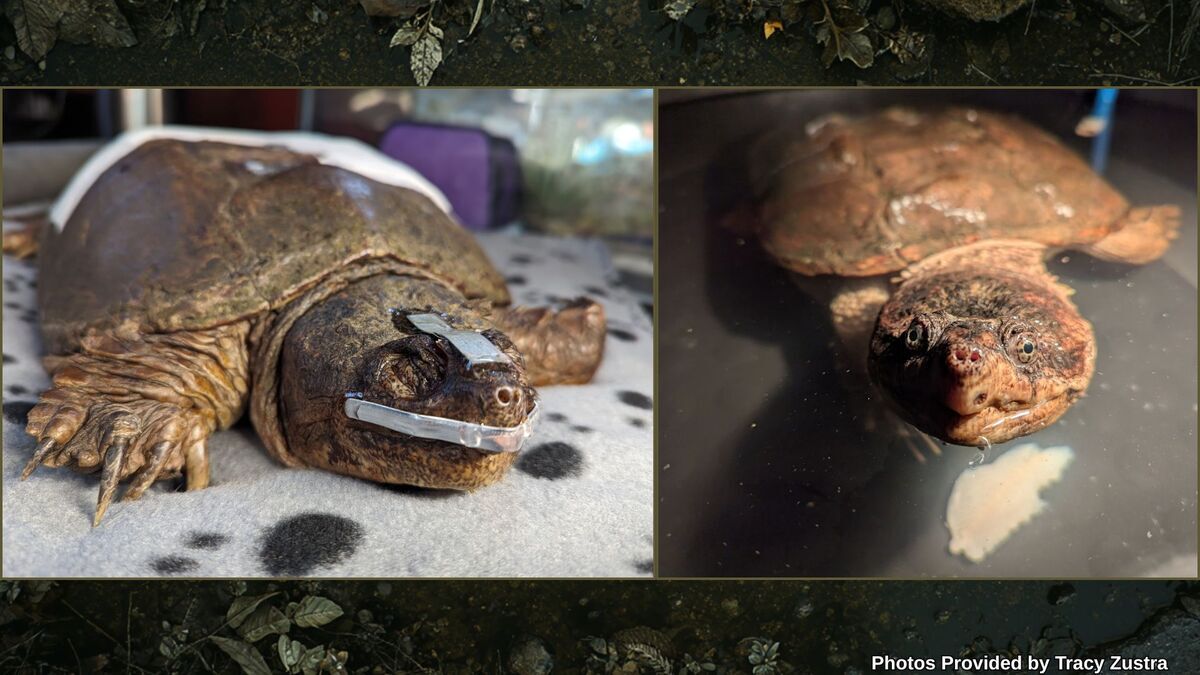
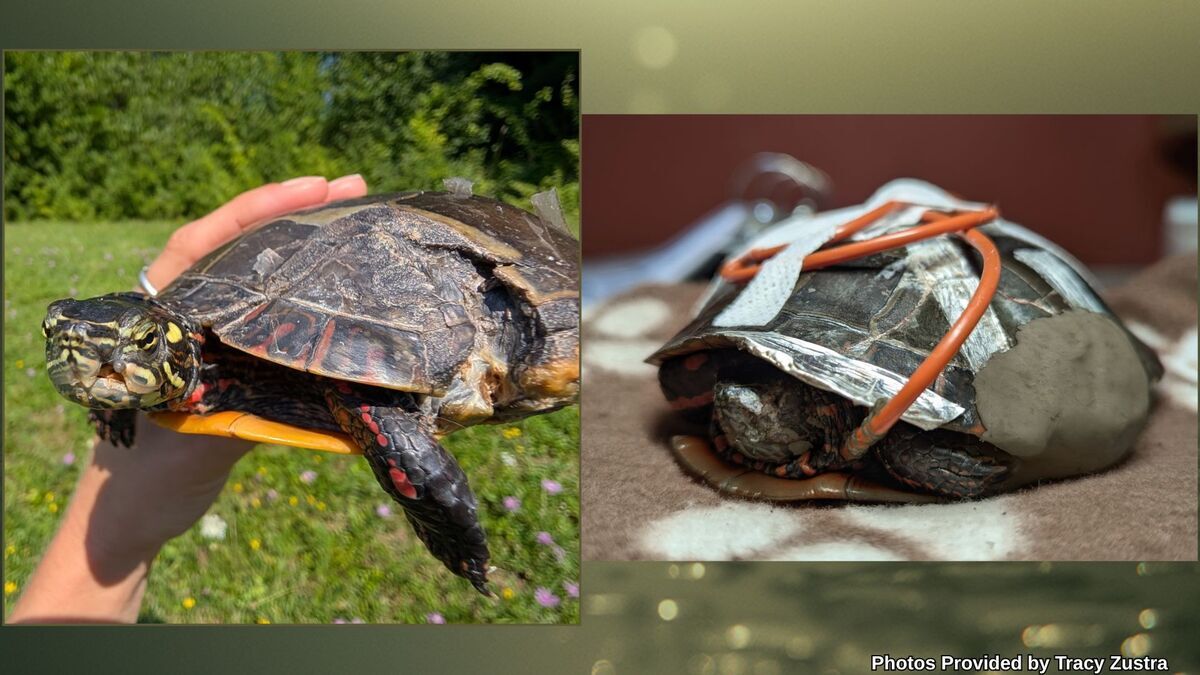
When Zustra first began rehabilitating turtles, she realized many people were unaware that turtles with broken shells could recover.
"It's like a broken arm. Your doctor's going to brace it, and it heals. It's the same concept with turtles," she said.
Part of her work now also focuses on educating the community, encouraging people to slow down and watch for turtles on roads, and inspiring others to get involved.
One of the biggest misconceptions people have about turtles is the belief that they are in danger when away from water — this is not the case, Zustra said, emphasizing that they are semi-aquatic and do a lot of traveling.
Many people see a turtle on land and assume it needs to be brought to a pond or wetland, sometimes driving it miles away from where it was found, she said.
"They can spend several hours or even a couple of days out of water. They know what they're doing. They know where they're going," Zustra said.
From the day they are born, turtles will map out their territory and can travel between ponds, rivers, and streams.
When a turtle is relocated far from where it was found, the change disrupts their natural instincts, and the turtles will become disoriented and spend its time trying to return to familiar territory, she said.
This is why one of the first questions Zustra asks when someone calls about an injured turtle is, "Where did you find it?" Knowing the approximate location ensures that, once recovered, the turtle can be returned to its original territory.
Another myth she has heard several times is that a person can lose a finger to the bite of a snapping turtle. Although a bite hurts they cannot bite your finger off, she said.
"Handling a snapping turtle the right way, you're not going to get bit. People say that they're aggressive. They're actually not aggressive," Zustra said.
"They're very shy creatures. The only defense that they have is snapping. For example, they can't retract and hide into their shell. So, when they feel threatened, they're defensive and they get snappy. It's not an aggressive thing."
Despite being cute and beautiful creatures, Zustra emphasized not to take them home as pets as it can result in the turtles getting diseases resulting in a poor quality of life.
"When you take an adult turtle out of the wild. It can take decades for that one individual species to essentially be replaced by the other current population," she said.
"So it's really devastating, even just taking one out of the wild every time an adult female dies, it's devastating."
Zustra noted that many common turtle species take years to reproduce, with painted turtles reaching maturity in about 10 years, and snapping turtles and wood turtles taking around 20 years.
"When you take an adult turtle out of the wild. It can take decades for that one individual species to essentially be replaced by the other current population. So, it's really devastating. Even just taking one out of the wild every time an adult female dies, it's devastating," she said.
Currently Zustra is rehabilitating out of her home, where space is becoming increasingly limited. One day she hopes to open a turtle hospital.
"I am pushing my efforts for donations to try and raise enough funds to build a turtle hospital. And once I get that done, it'd be great to get some volunteers on board that actually can come in and help out in our official turtle clinic," she said.
The organization is a 501(c)3 tax-exempt nonprofit; donations can be made here.
As a mentor for the Wildlife Rehabilitators Association of Massachusetts, she helps train new rehabilitators, emphasizing that even small efforts to help a few turtles each year can make a significant difference.
"There are a handful of us that do rehabilitate wildlife here, but it's still not enough. There's a huge need. I mean, any species that you can think of really needs help …" Zustra said.
"They don't have to do it at the same level that I do because I do hundreds of turtles a year. But even if we had a handful of people doing a couple turtles a year, it would be extremely helpful."
To become a wildlife rehabilitator, individuals must be at least 18 years old and pass a state exam. Zustra also encourages aspiring rehabilitators to work alongside experienced professionals to learn the skills.
She recommends going through the Wildlife Rehabilitators Association of Massachusetts to gain the necessary training and knowledge.
Tags: rehabilitation, turtles, wildlife,