Berkshire United Way Launches Annual Campaign, Pilots Childcare Options
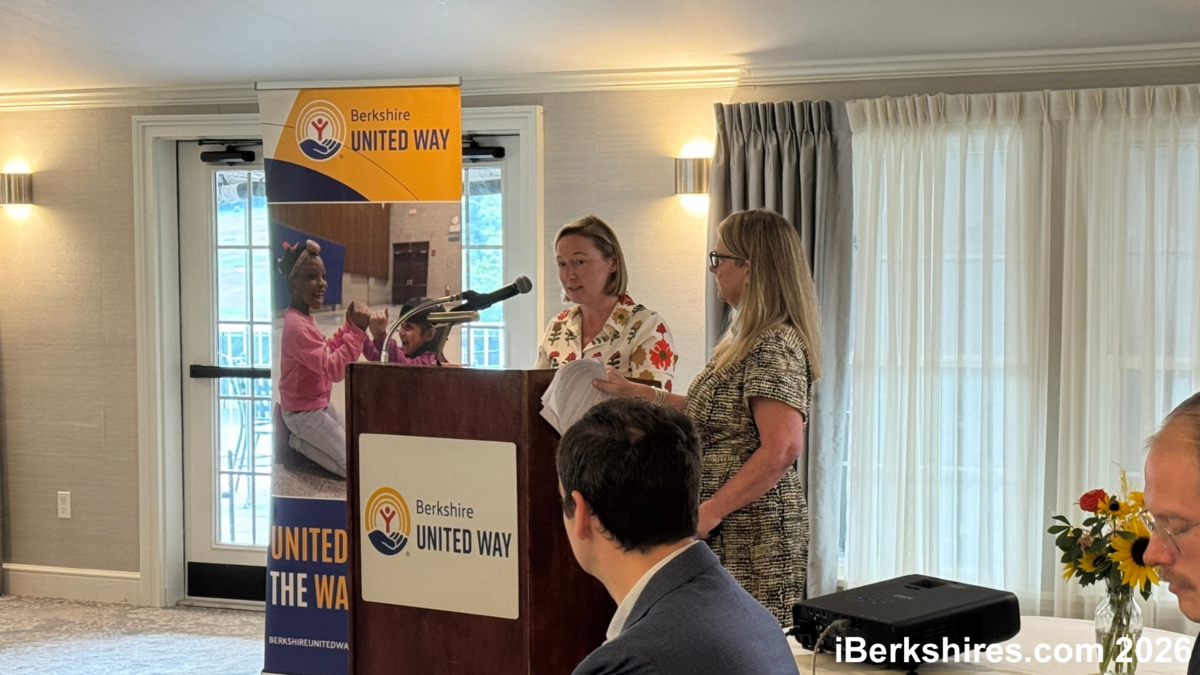
PITTSFIELD, Mass. — Berkshire United Way kicked off its annual campaign centered on strengthening Berkshire County through shared generosity, cross-sector partnerships, and coordinated responses to community needs.
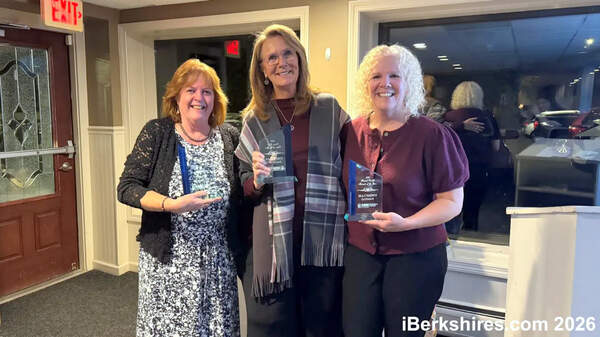
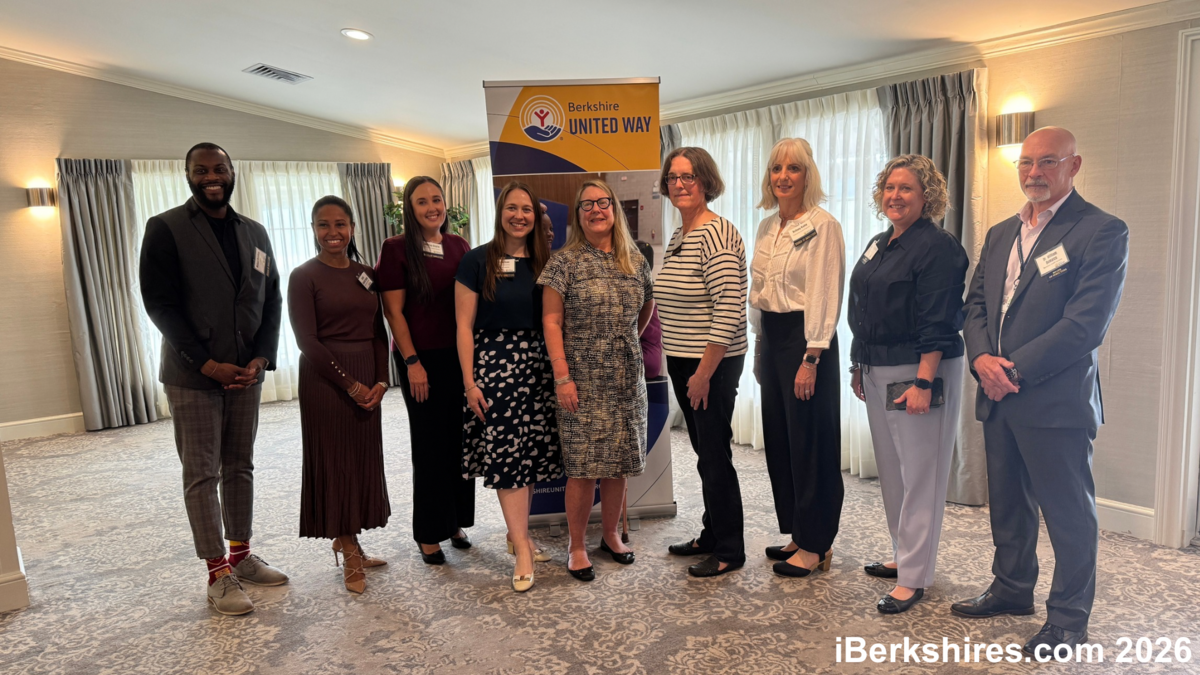
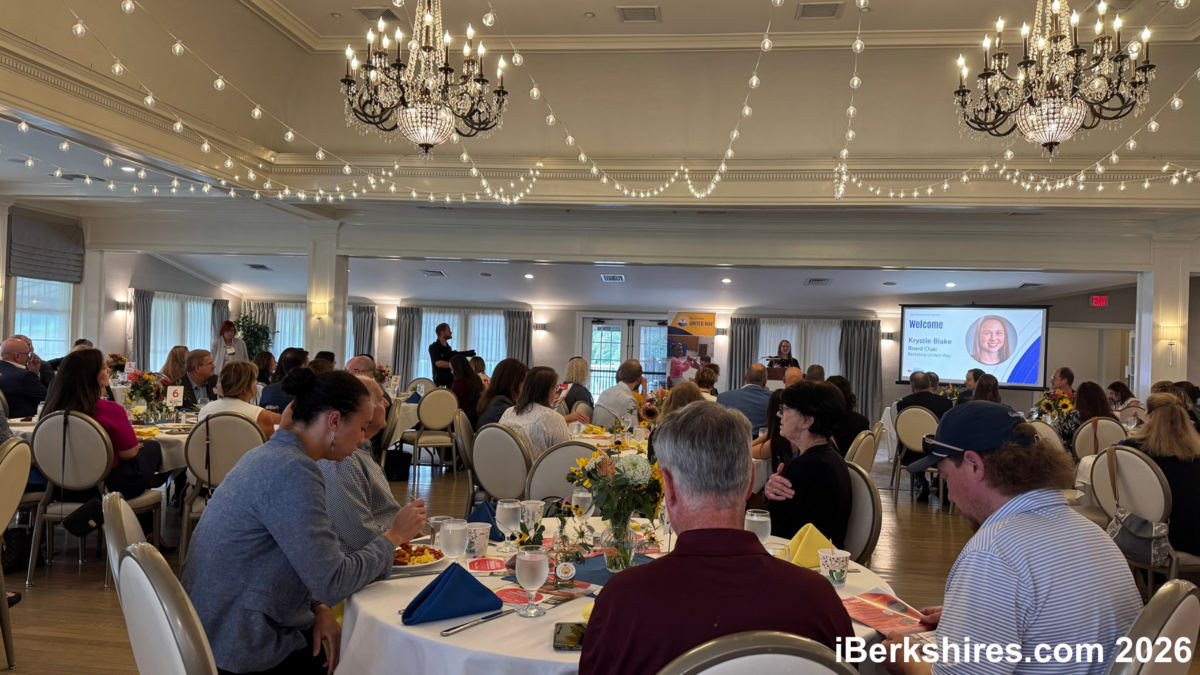
On Thursday, board members, supporters, and beneficiaries gathered at the Country Club of Pittsfield to mark the nonprofit's yearly fundraising campaign.
They explained that this year's theme is "Rooted in Community, Growing Together."
"It reflects something we see every day. Generosity has deep roots here. It lives in the employee who gives a few dollars from every paycheck, the company that encourages its people to serve, the nonprofit professional who shows up for neighbors every day, and the volunteer who gives time, expertise, and heart," said board Chair Krystle Blake.
BUW works to help families access financial mobility, ensuring young people have a strong foundation, and strengthening residents' quality of life.
"Across our region, too many households are working hard and still struggling to cover the basics. Families are making difficult choices among housing, food, transportation, childcare, and healthcare. Young people need clear pathways from school to opportunity. And people of all ages need connection and access to mental health and well-being," said President and CEO Katherine von Haefen.
"These issues are closely connected. When childcare is unavailable, a parent may be unable to work. When household costs rise, stress affects the entire family. When young people cannot see a path to a stable future here, our whole region feels the impact. No one organization can solve challenges of this scale alone."
One of the main topics of the morning was childcare and how much that is interconnected with all of the challenges.
"Reliable, affordable childcare supports far more than an individual family. It helps parents enter and remain in the workforce. It helps employers recruit and retain talented people. It helps children build a strong foundation. And it supports the economic health of our entire region."
Haefen said they have been listening to families, providers, employers, and community partners to better understand where the system is falling short and what they can do to better help families with expanding options through collaboration.
She said tourism and the hospitality industry are major components of the county but the hours for their shifts can be outside of traditional childcare hours.
"The tourism and hospitality industry is a major part of Berkshire County’s economy, and its employees help make this region a welcoming destination. Yet its schedules and the hours when visitors most need restaurants, lodging, and cultural experiences do not always align with traditional childcare hours," Haefen said.
The Massachusetts Taxpayer Foundation shared its findings on the statewide cost of insufficient childcare at a funders roundtable in Springfield the day before, she continued.
"Each year, Massachusetts loses $1.7 billion on lost wages. Businesses lose $812 million in cost for people not showing up, people unable to maintain their employment, and we lose $108 billion in lower tax revenue. That is a grand total of $2.7 billion to our state every year because of insufficient childcare," said Haefen.
Colleen Rafferty, president of Tourists in North Adams, spoke about how much hospitality depends on her employees but that employees who are caregivers or parents have a hard time making the hours the hotel needs.
"This is not an abstract workforce issue. It affects real decisions for employees and families: whether a parent can accept a shift, return to work, take on additional responsibility, or remain in the industry. It also affects employers' ability to recruit, retain, and support the people our businesses rely on," Rafferty said.
She shared an example of one of her longtime employees who is still with them, but that countless others had to leave because of childcare issues. One housekeeper has been helping guests for more than eight years.
"During her time with us, this housekeeper had a child and lost her partner in tragic succession, and is raising her little girl on her own," Rafferty said. "As a company, we have done absolutely everything we can for her, from working with our own policies and PFMLA [the state's Paid Family and Medical Leave] to get her six-month maternity leave, adapting her schedule as much as possible during those early years, and I'm really happy and proud to say that she's still with us. She's absolutely the best person in her department, but every week is a struggle for her."
Rafferty said every time a department manager position has opened up — meaning a raise, a salary rather than hourly, and better PTO — the housekeeper can not apply despite being the most qualified person for that job. Mainly because of childcare, she knows her schedule is too restrictive, and she won't be able to be there for her employees when they are at their busiest.
"The lack of childcare options is disproportionately affecting women and preventing them from taking their seat at the table. Employers want to be part of the solution, but childcare is too complex for any one business to solve independently," she said. "We need the perspective of families and providers. We need thoughtful public and private investment, and we need organizations that can bring the right people to the table and keep the focus on practical solutions."
Haefen said she is excited to work with Rafferty over the next two years to help put "practical, realistic solutions in place." Through a BUW-sponsored employer/employee survey last fall, businesses reported struggling to recruit and retain staff, and 80 percent of employees responded that they either can't afford childcare or have to piece together fragmented care.
BUW put an application through the state Department of Early Education and Care to become a state demonstration project pairing businesses with childcare providers that will be launching next month, with a specific focus on matching hospitality workers to care during nontraditional hours.
Rafferty also said this work is why BUW matters.
"By listening across sectors and helping partners connect, Berkshire United Way can move the conversation from an individual employee's challenge toward a coordinated community response," she said. "A strong childcare system helps working families. It strengthens employers. It supports the tourism and hospitality sector, and it makes Berkshire County a place where people can build a life and a future. Thank you for supporting the collaborative work that can make that possible, and for recognizing that when we invest in families, the entire region benefits."
Tags: annual meeting, Berkshire United Way, campaign,