Northern Berkshire Healthcare Files Chapter 11 Bankruptcy
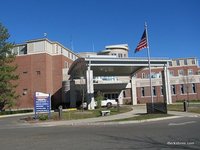 |
Chief Executive Officer Richard Palmisano said the filing will not affect patient care or employees.
"In reality, from the standpoint of the consumer, there will be no change. For staff, there will be no change; they will continue to get their paychecks and their pension benefits," Palmisano said on Monday.
The move had been long expected as the health-care system struggled to get a handle on its nearly $50 million debt burden and its pension liabilities. Last week, it reorganized its administration, splitting Palmisano's jobs of CEO and president and adding on the duties of a "chief restructuring officer" to concentrate on the system's finances. William "Bill" Frado Jr., a member of the board of trustees, was named president while Palmisano retained his post as CEO.
NBH had been in "very intensive" discussions with bondholders over the past six to nine months, said Palmisano on Monday. The bond debt is related to major improvements and expansion at North Adams Regional Hospital and the purchase of two nursing and retirement community facilities in Williamstown that have since been sold off at a loss.
Last week, the hospital tendered another debt restructuring proposal that was not taken up by bondholders.
"We concluded that the bondholders were not understanding our situation clearly, so we put together a proposal of where we wanted to go," Palmisano said. The bondholders responded with a counterproposal "that clearly told us they weren't understanding our situation."
The hospital had prepared filings twice before but held off in hopes of reaching an agreement. Officials felt now was the appropriate time to seek court protection.
Prior debt is now frozen while the court reviews the matter; Palmisano said all current debt must be paid COD, or cash on delivery. "So what we buy, we have to pay right way," he said. "We have been working diligently to ensure we have the resources until we emerge from bankruptcy."
He estimated it would take six to seven months, although it could move faster. "The court will understand the importance of this institution and that the protected restructuring process will make it harder for us to continue to provide services to this community."
At the same time, the hospital will continue to move forward with moving its pension funds to the federal Pension Benefit Guaranty Corp. It is still seeking a health-care partner to affiliate with and pursuing federal Critical Access Hospital status, which could bring more funding into the system.
"I think what is critical is that people hear the word bankruptcy, they think of liquidation," said Palmisano. "That's not the case here. I think a better analogy would be what happened when General Motors emerged from bankruptcy with a level [of debt] they could sustain."
Even with the restructuring, the hospital will never be a wealthy institution because of the region's demographics. But it can be a healthy and quality institution, Palmisano said.
Tags: bankruptcy, NARH,