Confidentiality Sparks Ire At Pittsfield Methadone Meeting
 Spectrum CEO Charles Faris said he wants to be a 'good neighbor' wherever the clinic ends up opening. |
What they got was a panel of experts expressing the need for the clinic — but not the location, which officials say is confidential.
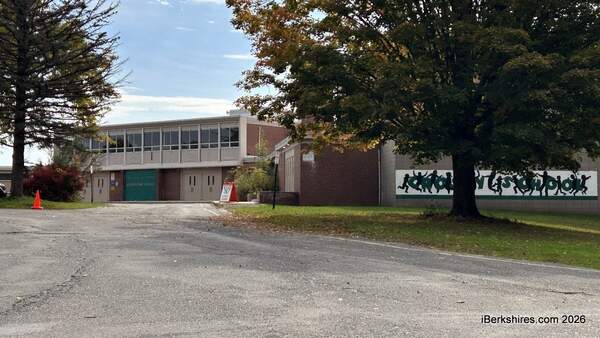
Mayor Daniel Bianchi was asked three times after an hourlong panel presentation at Crosby Elementary School where the clinic was going; three times he said he could not answer because the city, under former Mayor James Ruberto, signed a confidentiality agreement as part of a pending federal lawsuit.
"We are not going to address questions of location," Bianchi said after a third resident voiced frustration with the agreement.
Nor could Bianchi or Spectrum CEO Charles Faris say whether residents would know the location before the clinic opened.
The lack of answers frustrated many in the crowd, who repeatedly said they welcomed Spectrum's service but did not want it in a residential area — including audience member District Attorney David Capeless.
"I was very disappointed to hear them hide behind a confidentiality agreement," Capeless said after the meeting. "This is the kind of thing we'd like to be part of."
Capeless said treatment programs work as long as they are done right. Panelist Dr. Jennifer Michaels, director of the Brien Center, has been running a successful detoxification clinic, though not with methadone, for years, Capeless said, but there have been others that have created law enforcement issues.
The opiate problem is a big one for the county and Capeless said he and other medical professionals have set up multiple programs to reduce the number of prescription drugs that seep into the community. Panelist Dr. Alex Sabo, BMC's Department of Psychiatry chairman, listed those earlier in the evening.
However, Capeless said he has been excluded from all but one conversation with Spectrum because of the confidentiality agreement.
Sabo, Michaels and others on the panel expressed the need for a treatment center. But it was a conversation many felt was too late after two previous proposed locations saw heated protests from residents and city officials.
"The conversation, I'm afraid, got off to a very bad start," Bianchi said, adding that there has been a lot of "misinformation" and "anecdotal" facts leading the conversation. "Pittsfield has nothing to fear and everything to gain from this service."
 Dr. Jennifer Michaels said the stereotype of an addict needs to change because most are 'not bad people.' |
More than 1,000 people from the county have been reported to the bureau for opiate abuse and half of them are from Pittsfield, she said.
"These numbers have remained fairly steady," Jacobs said, adding that 210 of those addicts are currently enrolled in methadone treatment. "We have a lot of people from this area that are traveling to Springfield and Holyoke."
A total of 695 were admitted to the emergency room in the last year because of non-fatal opiate causes, which is nearly double or more the percentage of the population than that in cities of similar size, she said.
"People get better with methadone treatment," Jacobs said, citing that the majority (90 percent or so) of patients do not end up back in the hospital, detoxification clinics or arrested while undergoing treatment.
Faris said these numbers are exactly why Spectrum chose to open an office in Pittsfield — to be "another tool in the box" for fighting addiction and crime.
"We don't just willy-nilly throw darts at a board," Faris said. "We want to come here and be viewed as part of the solution and not part of the problem."
Faris said Spectrum has never had an incident of crime at any of its five locations in the 25 years of providing methadone treatment and the company "does not tolerate loitering," which addressed concerns of addicts "hanging around" the clinic.
"We take a great deal of pride in being good neighbors in the community," Faris said.
Faris added that the company will be hiring locally and saving taxpayer money on transporting patients to the Springfield area for the treatment. The majority of the patients are on Medicaid, he said.
 Sheriff Thomas Bowler asked how the property will be monitored to keep 'lower class' people from loitering. |
Michaels said the clinics eliminate the "ups and downs" of intoxication followed by withdrawal. By providing a regulated dose, the methadone helps addicts get the rest of their lives in order. Some may end up on the drug for life, which is no different from other diseases like diabetes, she said.
"These people who have opiate addiction are not 'those people.' It's us," Michaels said. "For the most part they are not bad people."
Michaels said in her experience, most of the people in detoxification programs have jobs and are raising families. A quick inventory of those currently enrolled include business owners, students, doctors and parents, she said.
"It's a disease," Michaels said. "Treatment works ... I know that treatment works because I see it every day."
Sabo said the opiate problem is nationwide.
"Prescription drug opiates surpassed marijuana as the drug of initiation," he said.
Tags: drug abuse, methadone, opiods, Spectrum Health,