Research Prompting New Direction for Pittsfield Life Sciences Center
 |
|
 |
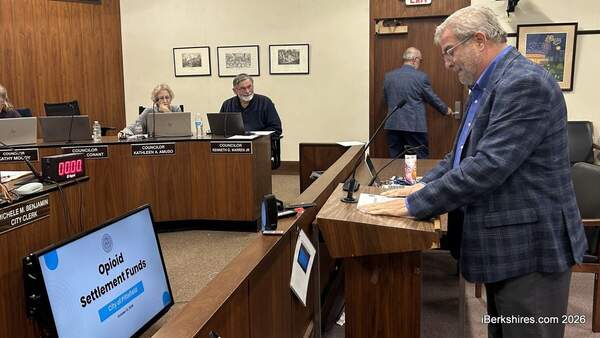
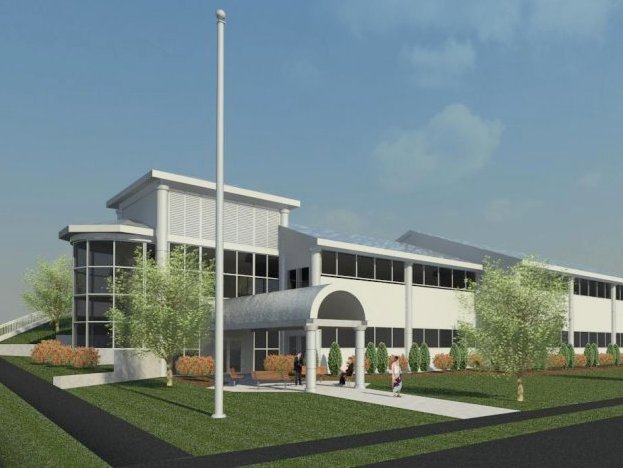
PEDA officials say there is much local interest in the development of an innovation center. A feasibility study for the project has begun with the city's acceptance of $64,000 grant on Tuesday. |
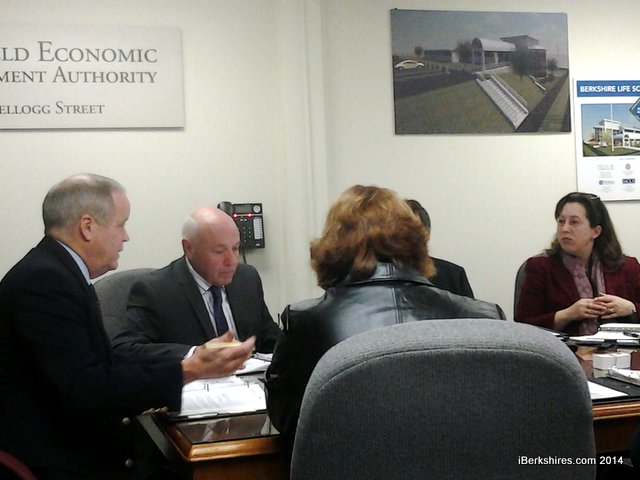
"I am guardedly optimistic that we're going to be able to move ahead on this," Mayor Daniel Bianchi told the board of the Pittsfield Economic Development Authority on Wednesday morning, referring to the second piece of a two-phase feasibility study begun over the summer.
Phase 2 of the study has now begun, following acceptance by the City Council on Tuesday of a $64,000 grant from PEDA's own funds to underwrite the second and final phase.
"There has been a tremendous amount of interest from local businesses who would like to consider participation in a facility," said the mayor of the information produced by the study's first phase.
Part of those findings, previewed last month by consultant Rod Jane of New England Expansion Strategies, is that the proposed center should focus its mission strategy on growing the existing industrial base in the Berkshires, having the center "accelerate and enable growth within those industries," an approach which seems to please the Massachusetts Life Sciences Center that controls the purse strings of earmarked funding for this hoped-for development.
"It's kind of morphed from 'Life Sciences Center' to 'Innovation Center,'" Bianchi summarized, commenting on the study's leaning toward the "probability of this facility being oriented toward [industrial] innovation as opposed to strictly biotechnology and applied life sciences."
Bianchi said one of the most critical components of the next phase will be efforts by consultant firm New England Expansion Strategies to pursue some of the 70 companies met with as part of Phase 1 that had voiced the most interest in being involved in this type of innovation center. Acquiring up to $6.5 million to build the facility, first earmarked for such a site in 2008, will be contingent on having enough prospective tenants committed in advance.
The mayor also believes sources of money should be explored from private investments besides waiting several years for these state funds.
"I'm a little discouraged by the length of time the Life Sciences Center seem to want to take to release these monies," said Bianchi. "I think it would be reasonable to look at some of these other options."
"One of the exciting pieces of the re-formation is that as we look at this center for innovation is the availability of this center for local business," added PEDA Executive Director Corydon Thurston.
Thurston said retention of existing industry should be "the number one priority" of economic development efforts in this market.
"To have this center set up so it can be used by locals as an enabling facility, as a catalyst for collaboration, and for research and development which they can't afford to do on their own" would be very advantageous, according to Thurston, coupled with the opportunity to mix this with mentorship of new startups.
"It will enhance the local business marketplace, and use that as a lever to bring in startups that want to learn how to make something," he suggested.
Tags: business park, life sciences, PEDA,