image description
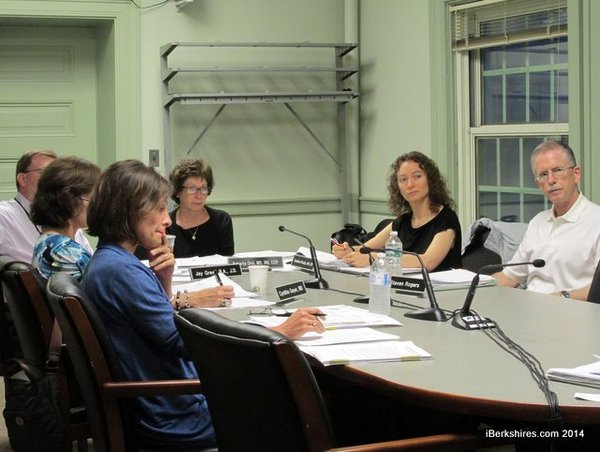
The Board of Health approved the regulations Wednesday night.

Pittsfield Passes Revamped Smoking Laws
By Andy McKeeveriBerkshires Staff
Print Story | Email Story
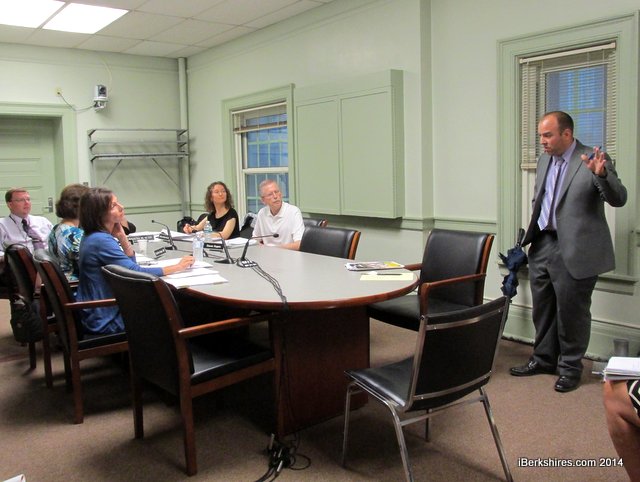
Jim Wilusz said that 90 percent of the current smokers started before they were 18 years old.
PITTSFIELD, Mass. — The Board of Health adopted new regulations aimed to reduce smoking prevalence in youth.
 
The board held  a public hearing on Wednesday and then approved the new tobacco regulations.
 
The regulations include cutting the number of tobacco retail permits in half, banning any new vendor from opening within 500 feet of a school and mandating that cigar be sold in packages of at least two and cost no less than $5.
 
Additionally, the board adopted a ban on smoking in city-owned parks.
 
"We know today that tobacco has killed 10 times the number of the people killed in all of the wars ... If we continue in this course without strict, progressive tobacco control, 5.6 million children will die," said Chairwoman Roberta Orsi. "This is a community issue, not just a Board of Health issue."
 
The board has been working with Tri-town Health Director James Wilusz on revamping the city's tobacco regulations. The regulations are focused specifically on limiting access for the youth.
 
"Youth cigar use has surpassed the adult smoking prevalence rates," Wilusz said, adding that 90 percent of current smokers started before the age of 18.
 
The reduction in the number of permits and buffer zone won't happen immediately and the 50 or so current vendors will retain their rights to do business. However, if a store goes out of business, the permit will be extinct.
 
"This does not include existing retailers," Wilusz said. "This really addresses new applicants."
 
Setting a minimum packaging size for cigars intends to make it more unaffordable for youth. Those cigars tend to be flavored and marketed in colorful packages, which has led to an increase in youth smoking, Wilusz said.
 
Resident Zack Kotleski told the board he knows firsthand how individual cigars lead to smoking addiction. Kotteski started smoking single cigars at the age of 16 and the habit grew from there. He says if these regulations were in place then, he may not have begun smoking.
 
"The difference between a dollar or .75 cents and a $5 bill is a lot at that age," he told the board.
 
Carol McMann, who works as a mentor to those going through smoking cessation, said it will help those quitting, too. They are more likely to convince themselves to purchase a single cigar rather than an entire pack. And then, just one puff transforms the mind back to that of a regular smoker, she said.
 
"It takes very little for someone who has recently quit smoking to relapse," she said. "The less opportunity we give people who have quit smoking to relapse, the better."
 
However, with the further regulation on vendors, Phil Tangora doesn't believe it will significantly help the rate. Tangora is an area marketing representative for Xtra Mart convenience stores and he says further regulation just moves the business around.
 
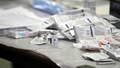
Joan Rubel of the Berkshire Tobacco Free Community Partnership displayed flavored cigars, which are contributing to a growing number of youth smokers.
"Last year, we've seen a decline of 25 percent but we've seen the reverse in Connecticut. They are up 25 percent. The same thing New Hampshire, too," Tangora said of the state's cigarette tax increase.
 
Convenience stores still make 40 percent of their revenue from tobacco, Tangora said, so all these regulations do is help vendors outside of the city.
 
"It's not going to work just in Pittsfield. You are going to push the retailers out," he told the board.
 
However, board members said that isn't their concern. The Board of Health's focus is on protecting public health. Further, Wilusz said there has been no evidence to back up the claims that vendors will leave. 
 
Wilusz said when the state banned smoking in restaurants and bars many people feared the same. However, no loss of revenue has been recorded, he said. The same goes for the ban in pharmacies.
 
Board member Jay Green went on to add that these regulations have proven track records in other areas.
 
"We've put a lot of thought and effort into this," Green said. "We aren't doing anything different here in Pittsfield that hasn't been done somewhere else in the state."
 
And the board had a lot of support for the updated regulations. Citing health concerns, smoking prevalence statistics and anecdotes, many residents voiced support. The regulations were approved unanimously.

Tags: board of health,   smoking regulations,   smoking-related items,   
If you would like to contribute information on this article, contact us at info@iberkshires.com.

Lanesborough Officials Take Road District Dissolution Off Warrant

By Breanna SteeleiBerkshires Staff

LANESBOROUGH, Mass. — The Select Board has removed a town meeting warrant article regarding the dissolution of the Baker Hill Road District.

JMJ Holdings development consultant Tim Grogan spoke in public comment saying the Berkshire Mall owner is currently has purchase-and-sale agreement for the mall. 

Back in February, the Select Board settled a tax dispute with JMJ Holdings by agreeing to move forward in dissolving the district if the company paid $1.1 million to the town. JMJ Holdings had to provide a signed development-and-purchase agreement 30 days before the town meeting. 

JMJ holdings did not submit a payment to be made by May 9. Because of that, the Select Board voted to take the article of the warrant to be voted at the annual town meeting.

Meanwhile, the Baker Hill Road District presented a slideshow defending the district and explaining what it does.

The district currently provides a non-resident-funded revenue stream of around $500,000 per year. These funds help pay for police cars and officer salaries, dump trucks, fire trucks, and more for the town.

"Dissolution would mean the district's three commercial property owners would no longer have to pay for upkeep of the Route Seven/Eight connector road. As a result, the BHRD annual contribution of more than $500,000 to Lanesborough would disappear permanently, since the services and maintenance costs associated with the Route Seven and Eight connector road would still remain," said Tom Caraccioli, PR consultant with AH&M Inc. "Lanesborough would have to absorb these costs and continue to provide emergency services to the mall and Target. The financial burden for these remaining expenses would then fall on Lanesborough taxpayers through higher taxes or the reduction of other important town services."

The proposal with JMJ would affect the town in a negative way Caraccioli claimed. 

"JMJ is proposing a one-time payment of $1.1 million to Lanesborough in exchange, JMJ would never pay BHRD taxes again. The decision to dissolve the BHRD by accepting this proposed $1.1 million would be a permanent choice that would have irreversible consequences," he said. "There will be no official system in place to cover recurring costs once the money from this single payment is spent. Therefore, the proposed one-time payment is not a long-term solution for the town of Lanesborough."

JMJ's dispute was that the Berkshire Mall no longer exists as a functioning entity and it should not be on the hook for protection and maintenance that had been based on the mall's operation in its heyday. The company is seeking to redevelop the site as senior housing and town officials were asking the state to take over the Connector Road. 

District officials said it's not guaranteed that the state would take over the road linking Routes 7 and 8, built to service the mall back in the '80s, and that the state Department of Transportation had historically discouraged the town from asking. Even if it happened, it could take three to five years, during which no BHRD funds would be collected if the district is dissolved. The state would not replace the revenue they support, and they argued the state is facing its own budget issues making it unlikely they would want to take over.

The road district was created by an act of the Legislature and would require another act to dissolve it. The town meeting article asked for voter support for a home-rule petition to start that process.  

After the presentation, it was asked what the current financial status of the BHRD, given that JMJ hasn’t paid in a long time and if the district actually has the money or if it is dependent on the mall sale.

Mark Siegars, attorney for BHRD, reminded the room that the mall is under a purchase and sale agreement and if the sale closes, the district expects to receive more than a million dollars because of the lawsuit and lien, but does not have that cash yet. If the sale does not go through, BHRD will take the mall and sell it. The district still gets payments from Target, which is separate from the mall. 

There were also some questions on the district's history, with Select Board member Jason Breault asking if the mall did not have a high tax rate from the district, would it still be solvent. The exchange became heated between Siegars and BHRD Chair Bill Prendergast.

View Full Story

More Pittsfield Stories