Lanesborough Settles With Mall Owners to Dissolve Baker Hill Road District
LANESBOROUGH, Mass. — The Select Board has decided it is time to say goodbye to the Baker Hill Road Road District.
On Monday, the Select Board unanimously approved a settlement with the Berkshire Mall's owners that pays the town $1.1 million for the dissolution of the district through a home-rule petition. This will require approval at town meeting and a special act of the Legislature.
Owners JMJ Holdings will have to provide a signed development and purchase agreement 30 days before the town meeting.
"I think it's time. There's been a lot of controversy around this, and I think that we're at a point in time where the town needs this to be resolved, and we need the mall property to be developed, and this is the first step to do this, to develop this property," Select Board member Jason Breault said.
"If we keep going on and on with this whole thing, we're never going to see this being developed. We're never going to see this progress. So I think if we do this, we dissolve this, we get this moving, I think it will be positive for the community, it will be positive for taxpayers, it will be positive overall."
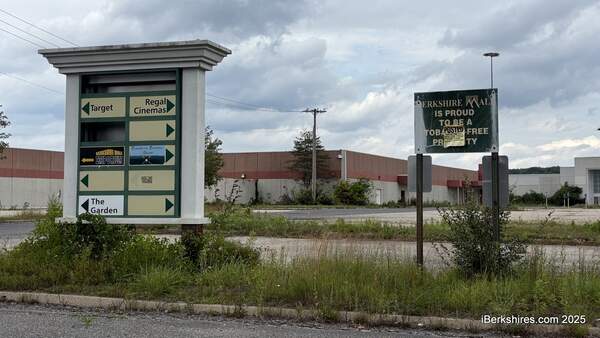
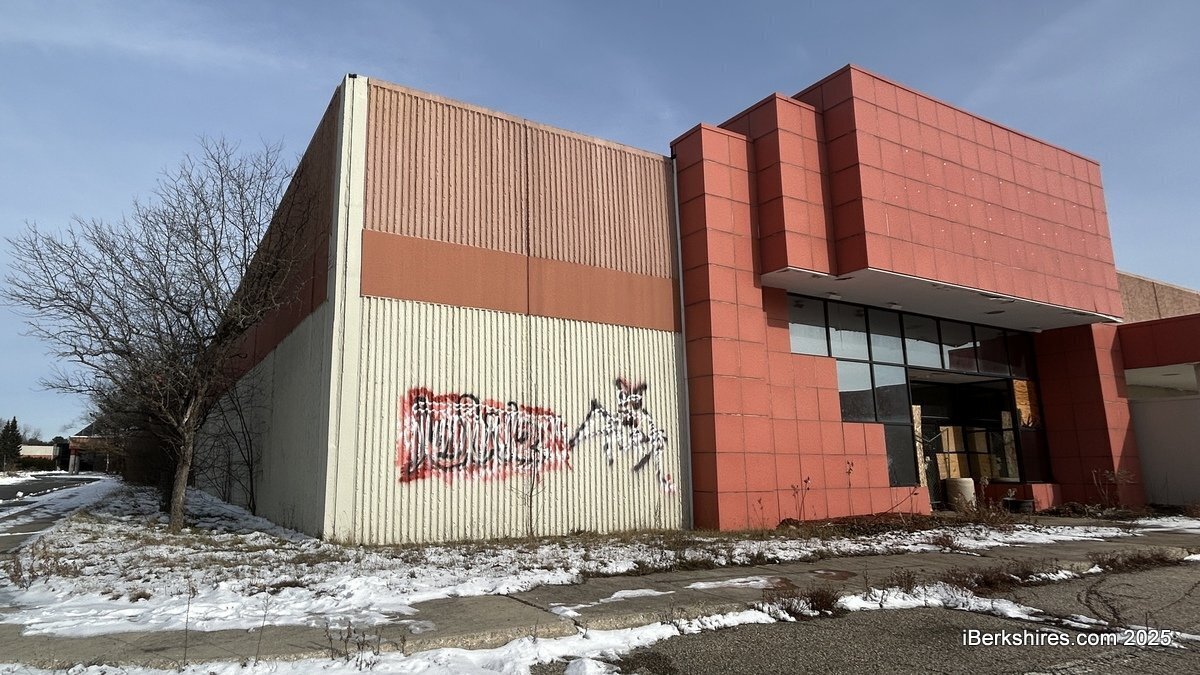
The Berkshire Mall closed more than five years ago and has sat vacant since. The road district filed a suit against JMJ for unpaid taxes for the Route 7/8 Connector Road; dissolving the district will forgive that debt.
The intent is to get the state to take over the Connector Road.
Chair Deborah Maynard feels this is a "giant" win for the town and stands wholeheartedly behind the agreement developed by herself, Town Administrator Gina Dario, town counsel, and representatives from JMJ. She said the decision is not taken lightly by Select Board members.
"I'm really hoping that people at the town meeting will see that this is good," she said.
"In the long run, this is really good for the town, and we'll get things moving over there and get us back on track."
Maynard read the full agreement into the record. It states that Lanesborough and JMJ intend to dissolve the Baker Hill Road District and revitalize and develop the Berkshire Mall. A month before the decision goes to town voters, JMJ is required to provide the development and purchase agreement, which is subject to Select Board approval, and put $1,116,168 in escrow.
The board will submit a home-rule petition to the annual town meeting or a special town meeting that requests dissolution of the independent, special-purpose municipal district. If approved, a special act will be submitted to the state Legislature within 45 business days.
Under the agreement, funds are released when the road district is dissolved.
"The special act text shall include a provision that includes a complete, final, and irrevocable release of any and all debts owed by JMJ to the Baker Hill Road District upon the dissolution of the Baker Hill Road District," Maynard read.
"Upon dissolution of the Baker Hill Road District through the Legislature, the escrow funds identified in Section 2 shall be distributed immediately to the town and shall be the sole property of the town."
Though he voted in favor of the agreement, Select Board member Michael Murphy initially expressed concern about approving the settlement when JMJ and the road district are in court. State Rep. John Barrett III's office reportedly advised the town that JMJ's debt to the district would be waived if the district were dissolved through this special legislative act.
"They will be monies that are just wiped clean, like wiping the slate clean," she said.
JMJ's consultant, Timothy Grogan, of Housing Development Corp., said if Lanesborough continues to haggle over $500,000 in a lien, nothing will happen at the mall, and they will wait for litigation.
"The math doesn't make sense to wait," he added.
When asked about development plans, Grogan said retail will certainly be built, and that they are waiting on Target to approve housing efforts on the site. Target owns its building separately from the mall.
JMJ announced its partnership with Integritus Healthcare last year to bolster its plans for hundreds of senior housing units.
"We are continuing conversations with Target, and they would like to see this process be far further along before they make any representations whatsoever about the ability to do housing," Grogan said, adding that the store would have to support an amendment to the site use.
"… It's completely up to Target's discretion. We're trying to play as nice as possible, and generally just make more progress with developing the property so that we can show the same amount of intention to Target as we're showing to you to get this underway."
During public comment, resident Rebecca Belmont urged the Select Board to accept the agreement. She said the district was created for a specific purpose that has now been fulfilled, and keeping it in place only creates unnecessary conflict, duplication, and expense.
The road district was created by a home-rule petition in 1989 to manage the connector road and oversee its debt. Murphy said the district raised $10 million for the road that did not come out of the town's pocket.
"Dissolving the district restores accountability to the town's regular, duly elected bodies, and moves us toward transparency, fairness, and a clean path forward," Belmont said.
Tags: Berkshire Mall,