image description
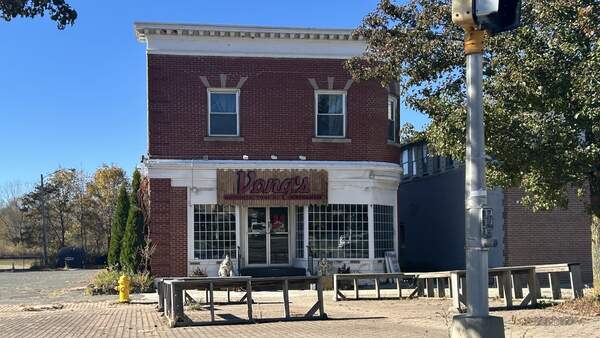
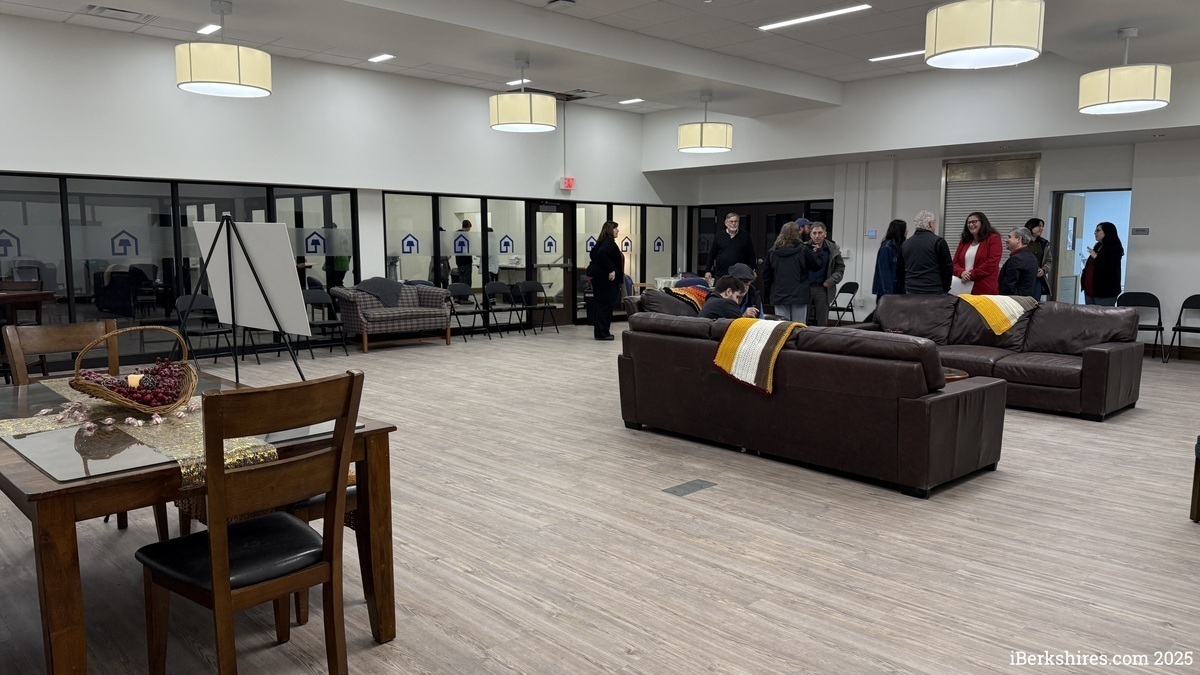
Housing projects saw an $8.6 million ARPA investment, creating 84 affordable units, seven single-family homes that are in progress, and, above, the Housing Resource Center at The First.

Pittsfield Nearing the End of $40M ARPA Program
By Brittany PolitoiBerkshires Staff
Print Story | Email Story

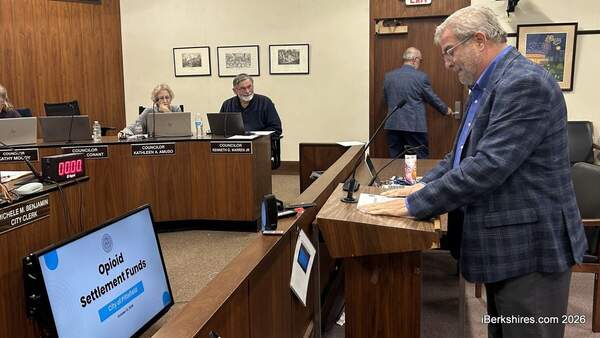
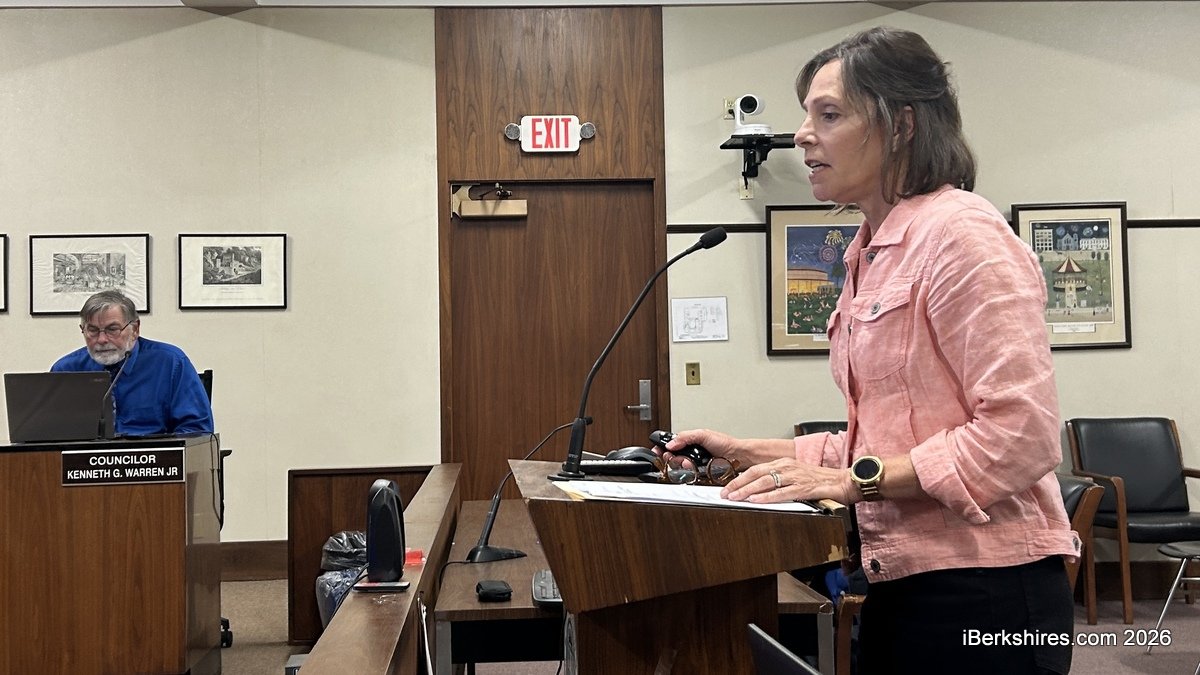
Gina Armstrong, special projects manager, updates the City Council on Tuesday on the last $400,000 in ARPA funds to be spent.

PITTSFIELD, Mass. — In five years, the city has dispersed almost all of the $40.6 million in American Rescue Plan Act funds awarded to help recover from the COVID-19 pandemic. 

Pittsfield has a year-end deadline to spend the last $400,000. Special Project Manager Gina Armstrong said if remaining projects conclude as planned, she will deliver a final report in July. 

"Which is really hard to believe," she said to the City Council on Tuesday. 

"In a way, it feels like we just started planning the use of the funds, and here we are. We're really measuring the impact, which is significant in just a broad scope of investments for the city." 

In 2021, Pittsfield was awarded $40,602,779 to be spent on public health, addressing negative economic impacts, infrastructure, and revenue replacement. Some of that money also went to administrative expenses. 

Funds for public health, $4.7 million, and infrastructure, $5.9 million, have been fully expended. As of March 31, $39,612,438 was spent on 84 projects; 95 percent of them are complete. 

Armstrong said this funding had a significant impact on the availability of affordable housing and support services for people who are at risk of or experiencing homelessness. 

Housing projects saw an $8.6 million ARPA investment, creating 84 affordable units, seven single-family homes that are in progress, and the Housing Resource Center at The First. 

The Westside Legends received more than $375,000 for two single-family homes at 17 South Church St. and 34 Daniels Ave. with a revolving loan program. The Church Street home, which is on the market, needed a full interior renovation and some exterior work. 


Pittsfield's Affordable Housing Trust was granted more than $981,000 to disperse to partner organizations: Westside Legends, Central Berkshire Habitat for Humanity, and Hearthway.

Heathway's ARPA funding supported lead abatement, window replacement, and porch renovation at 18 George St., which has six units. The funding also supported the development of several homes by Habitat for Humanity. 

The Housing Resource Center was a $4.6 million ARPA investment and opened in February. The 7,700 square foot center in the basement of the Zion Church offers public restrooms and showers, a quiet room, warmth, staff to connect them with resources, laundry machines, and lockers. 

There were also nine studio units constructed within the church building, which are occupied. 

Pittsfield had an update meeting with Hearthway and ServiceNet, which operates the Housing Resource Center, and learned that an average of 50 people visit the space every day, and it is going "very, very well." 

The only remaining open city project is the Old Town Hall HVAC installation, expected to be completed in the next month, so that the Pittsfield Police Department can use the space. 

The schools saw a $3.6 million ARPA investment for heating and HVAC systems, as well as the track and backdrop at Taconic High School. The Fire Department was allocated $468,000 for Jaws of Life equipment and improvements to four stations. 

"These were really important following the pandemic," Armstrong explained about the HVAC improvements. 

"We wanted to make sure we were really addressing air quality issues at the time." 


Tags: ARPA,   housing,   

If you would like to contribute information on this article, contact us at info@iberkshires.com.

The Round Stone Barn is 200 as Hancock Shaker Village Celebrates

By Breanna SteeleiBerkshires.com

PITTSFIELD, Mass. – Hancock Shaker Village shared a bicentennial birthday, inviting the community to take part in the festivities.

On Sunday, Hancock Shaker Village celebrated the 200th birthday of their signature Round Stone Barn, the only circular barn ever built by the Shakers.

"The Round Stone Barn turned 200 this year," Hancock Shaker Village CEO Carrie Holland said. "It was erected in 1826, so we thought we would celebrate with the whole community. We'd do some cupcakes, and then we're lucky to work with Yo-Yo Ma's team to curate some special performances in the Round Stone Barn."

The community was invited to come to the village for free and take part in a wide range of activities including tours, live music from Ida Mae Specker Trio and Tanglewood, demonstrations, and more. 

The Round Stone Barn is widely recognized as an architectural icon and agricultural wonder. 

The Shakers operated a working dairy farm at Hancock until the 1950s, and the barn was originally a stable for its 52 milk cows, according to the museum's website. 

It has ground-level access on all three levels so, wagons could enter on the upper level to deposit hay into the central haymow on the main floor below, then the empty wagons would be driven around the circular barn floor and exit the same door it came in, eliminating the potentially dangerous activity of backing wagons out of a barn, the website said. 

The cows stabled on the main floor faced inward toward the haymow for ease of feeding and manure was shoveled through trapdoors to the cellar, where it was stored until needed as fertilizer in the gardens.

"Every time anyone comes into the timber frame, it's the very first thing that they see, and they always say, 'It's just like a photograph,' and it is," Director of Collections Kathleen Lynch said. "It's beautiful. People want to get married in front of it. We did our Christmas the festival of trees in here, and the mechanisms of it are so phenomenal."

Hundreds enjoyed music in the round barn and celebrated with free cupcakes and food trucks while listening on the history the village portrays.

"I think this is one of our most iconic buildings, and a lot of people have their own memories tied to it," Holland said. "We do baby animals here, and so there's personal history. ... But it's also a fantastic opportunity to share a bit about the Shakers, their design techniques and practices, their  sort of obsession with making operations efficient, because this is used as a dairy barn, and so they created these three layers to make their operations more efficient."

"So you can talk about their innovation. Of course, they're the longstanding legacy of agriculture here. So it provides us an opportunity to kind of share the Shaker history in this beautiful space, tied to folks who have their own personal memories here as well, and it's such an impressive, beautiful spot. I have such appreciation for what it took to build this 200 years ago, and whenever we can do fun things and throw good parties here, it's a great day.""

Holland helps build momentum for the unveiling of Hancock Shaker Village's new visitor center that is planned to take place next month.

The new facility will include updated galleries, community event spaces, collection storage, and research areas for the museum's collection of over 22,000 Shaker artifacts and ephemera. The renovated building aims to enhance the visitor experience through improved orientation, expanded program offerings, closer access to collection items, and views of the surrounding landscape. 

"Part of what we're also celebrating is past, present, future, and the future," Holland said. "We're very excited for expanded programming. We're opening our new visitor center, our Center for Shaker Studies, so that creates a whole new opportunity for our visitor experience, our galleries, our stewardship, and then that relates also to the programming that we can do in the historic village."

View Full Story

More Pittsfield Stories