Education Sustainability Group Launches Website, Talks Engagement
NORTH ADAMS, Mass. – The group studying the potential for more collaboration among North County school districts Wednesday saw a website built for their project and discussed how it will gather input from community members over the next 10 months.
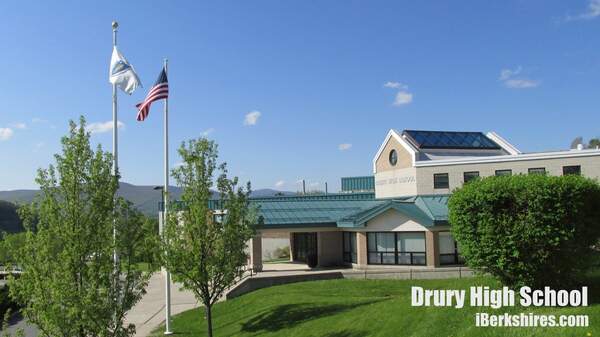
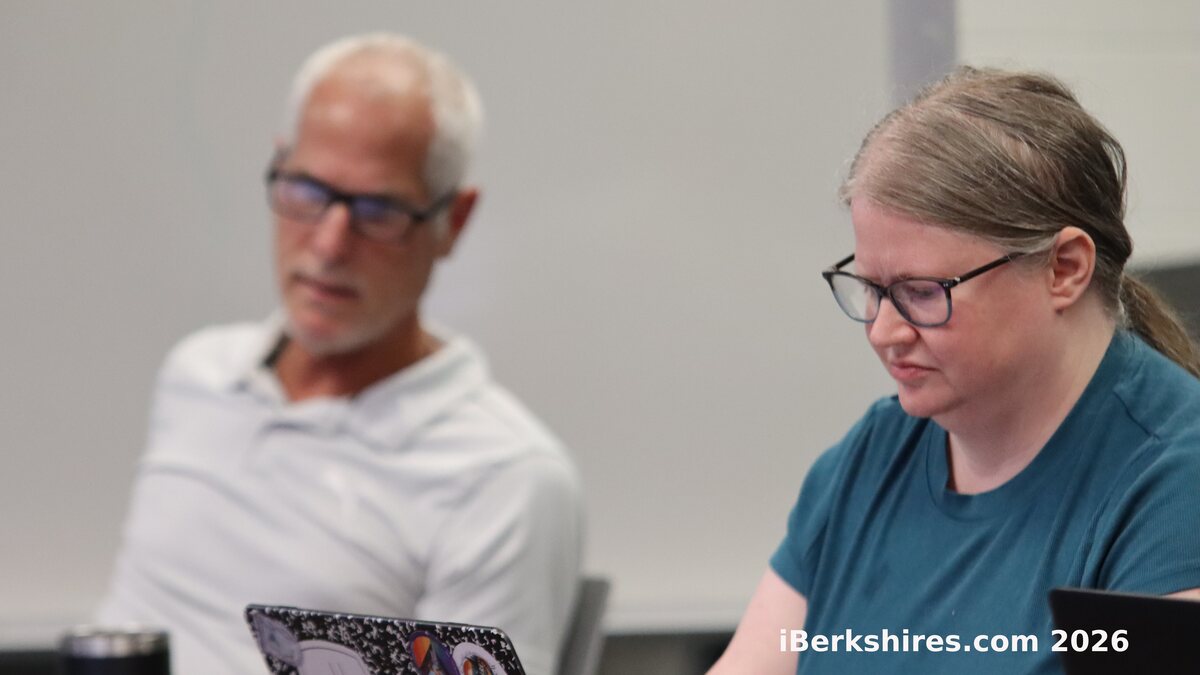
"The website is actually live," consultant Jake Eberwein of Berk12 told the North Berkshire Educational Sustainability Study steering committee in a meeting in the Drury High School library. "We can certainly do some edits.
"This is the official launch, tonight, I guess. There are no dead links, but there are areas without a lot of content."
Eberwein showed the committee sections of the nbess.org website, including the resources page, which will be key to keeping residents informed about the study's findings and collecting information from those residents.
"The last link is the contact page," Eberwein said. "It allows people to give us their name. If they want to ask a question, great. If they want to just get on the distribution list, that's great, too. … I think it's critically important that when people have a question, they get a response.
"It's critical people feel this is an open and transparent process."
Among the resources on the project's website is a slide show that framed Wednesday's presentation from Eberwein, Berk12's Brendan Sheran and Robert Putnam, like Eberwein a retired long-time administrator in Berkshire County who is helping compile historical research for the group.
Eberwein is the project director for Berk12, the consultant group hired by the NBESS Steering Committee with the proceeds of a grant from the commonwealth.
The committee is composed of administrators, school committee members and community representatives from the four districts engaged in the study: Hoosac Valley, Mount Greylock, North Adams and the Northern Berkshire School Union.
Together the group is interested in seeing how cooperation – up to and including, potentially, new regional partnerships – could address some of the concerns all face around falling or static enrollment and skyrocketing costs.
Eberwein said that those issues are not unique to Northern Berkshire County or even to Massachusetts, and similar studies are underway in the commonwealth and throughout the country. Part of Putnam's remit is to look at how and why efforts to cooperate in the county in the past have succeeded or failed in the past, but Berk12 also will be looking to learn lessons from similar efforts beyond the county's borders.
"One of the reasons sustainability studies are occurring is because of a set of pressure districts are facing: less money, fewer kids and increasing needs of what the students showing up at your doors need," Eberwein told the panel.
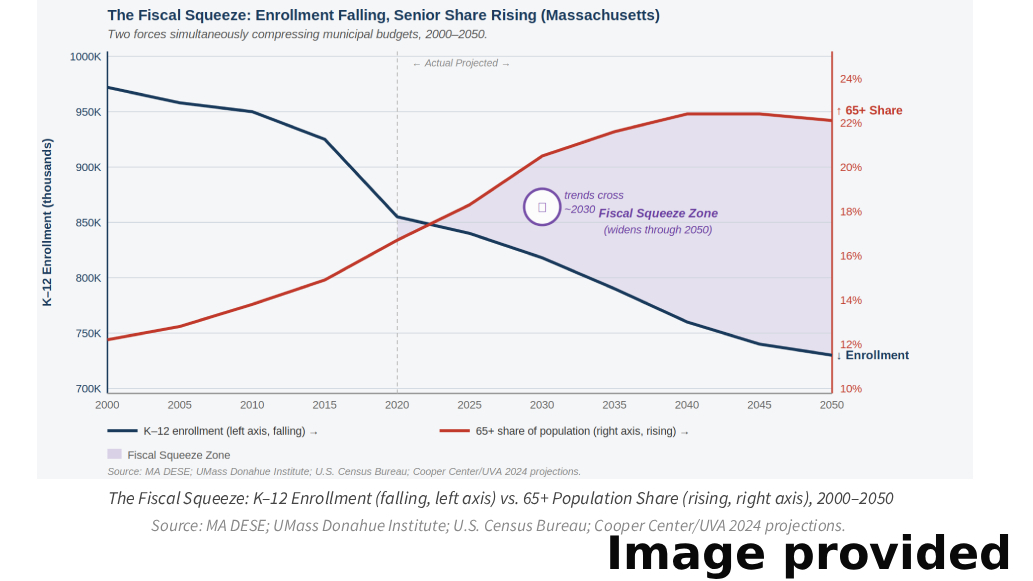
Specific to Massachusetts is a rising percentage of the population 65 and older and a declining school-age population. Those two trend lines crossed a couple of years ago, and the gap between the state's seniors and its K-12 enrollment will likely grow over the next couple of decades, according to research from the consultant Odyssey Advisors shared with the NBESS committee on Wednesday.
"These lines are intersecting now," Eberwein said, emphasizing the problem for members of the committee.
To help the committee develop proposed solutions to bring to school committees and, potentially, voters, for action, the consultants at Berk12 developed nine areas for study: finance, enrollment, educational programing, transportation, municipal structures, facilities, personnel, operations and organizational readiness.
On Wednesday, Eberwein broke down for the committee the kinds of questions embedded in two of those topics: enrollment and education.
The latter was broken down into five topics for analysis: student learning and achievement (including, but not limited to standardized testing), educational opportunities (including course offerings and extracurriculars), educational capacity, student experience and postsecondary readiness, or how well students are prepared for success beyond graduation.
"Those are the questions you're trying to get at, right?" Eberwein asked the committee. "There's a lot of data there. It helps you speak to the opportunities for students across your districts."
Sheran walked the NBESS Steering Committee through Berk12's strategy for community engagement, which starts with monthly updates that the advisor recommended the committee start sending out within the next few weeks – by email to district families, through social media and on the districts' websites.
Starting in late summer or early fall, Berk12 plans to conduct focus groups at the schools to get answers from community members, staff and students to questions in the nine areas of study outlined on Wednesday night.
That will lead to open community forums in each district, tentatively scheduled for November and December.
From January to March, Berk12 will analyze the results of those interviews and begin developing reports. In the spring of 2027, it will conduct more open forums.
"The April/May block is about taking the findings back to the community and saying, ‘Is this what you said?' " Eberwein said. "It is a second chance to make sure what we're writing in the report is actually what we heard.
"The key, of course, and part of this falls on your shoulders, is to get people out. Be thinking about ways to find the right format, the right way to find accessible experiences for people."
Both members of the committee and Berk12 staff talked about the importance of getting feedback from different types of community members, including those who do not have a direct stake in the public schools either as students or caregivers.
"Throughout this process, you're building a network," Sheran said. "This is an opportunity to enhance that network and make new connections. That's a way I'd look at a lot of the work to come with community engagement."
The North Berkshire Educational Sustainability Study Steering Committee set its next meeting for Wednesday, Aug. 26, at 5 p.m. at Mount Greylock Regional School.
Tags: education task force,