
Berkshire Museum Unveils Historic Transformation After Yearlong Renovation
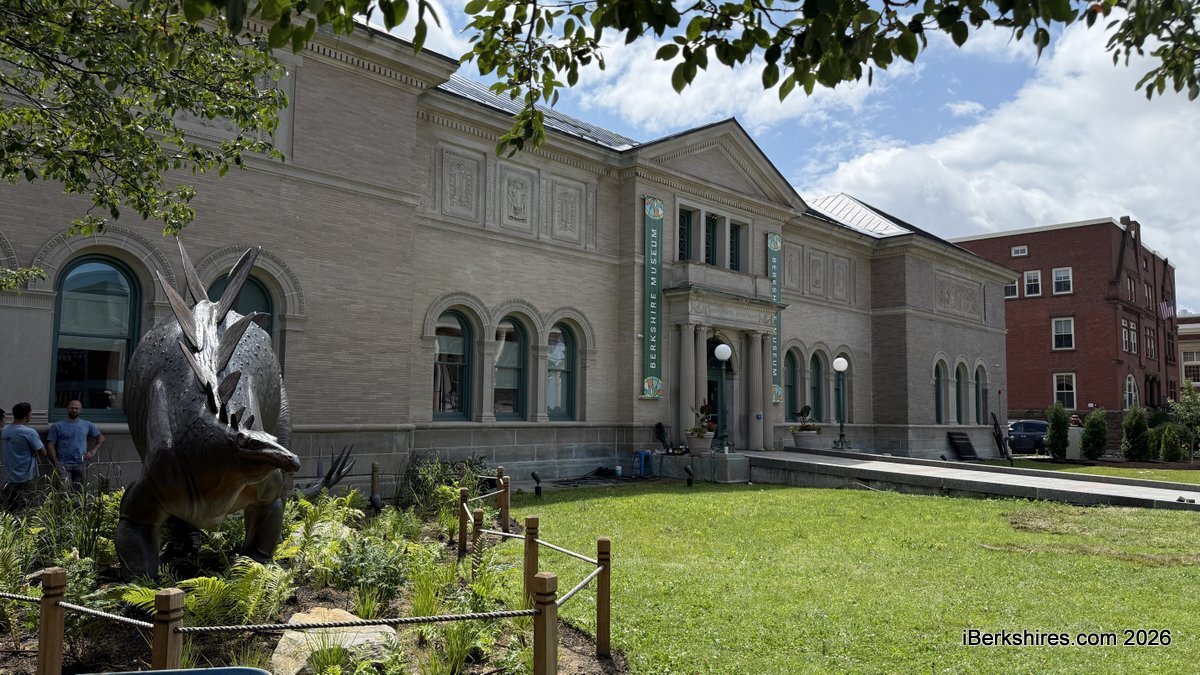
PITTSFIELD, Mass. — For generations, the Berkshire Museum has helped visitors create lasting memories through its permanent collections and exhibits. Those traditions continue as the museum reopens on July 29 following its historic renovation.
"This has been a really great project for our staff and community … This is a really really historic time in the history of this museum because of the scope of the work that was done," said Kimberly Bush Tomio, the museum's executive director during a press tour on Wednesday.
Since 1903, the museum has been a cornerstone of the Berkshire community, offering year-round experiences that bring together art, science, and history to inspire visitors of all ages and spark creativity.
On Jan. 6, 2025, the museum closed its doors for a $12.1 million renovation, aimed at creating a more welcoming and flexible space that allows it to display more of the 40,000 objects in its collection than ever before.
"I'm thrilled to get people back into the space. It's been a long time, but it's been worth the wait. I can promise you that," said Jeffrey Belair, the president of the board of directors.
"It's been a stunning transformation. The museum is beautiful, and I think that the community will be shocked when they come in here."
The museum's collection spans natural history, science, and art, and the renovation was designed to connect these seemingly disparate objects which was an interesting challenge, said architect Yo-ichiro Hakomori, principal of StudioHAU.
"I'm very happy with the way that it's turned out," he said.
Bradley Architects of Pittsfield was architect of record for the project and David J. Tierney Jr. Inc. of Pittsfield was the general contractor.
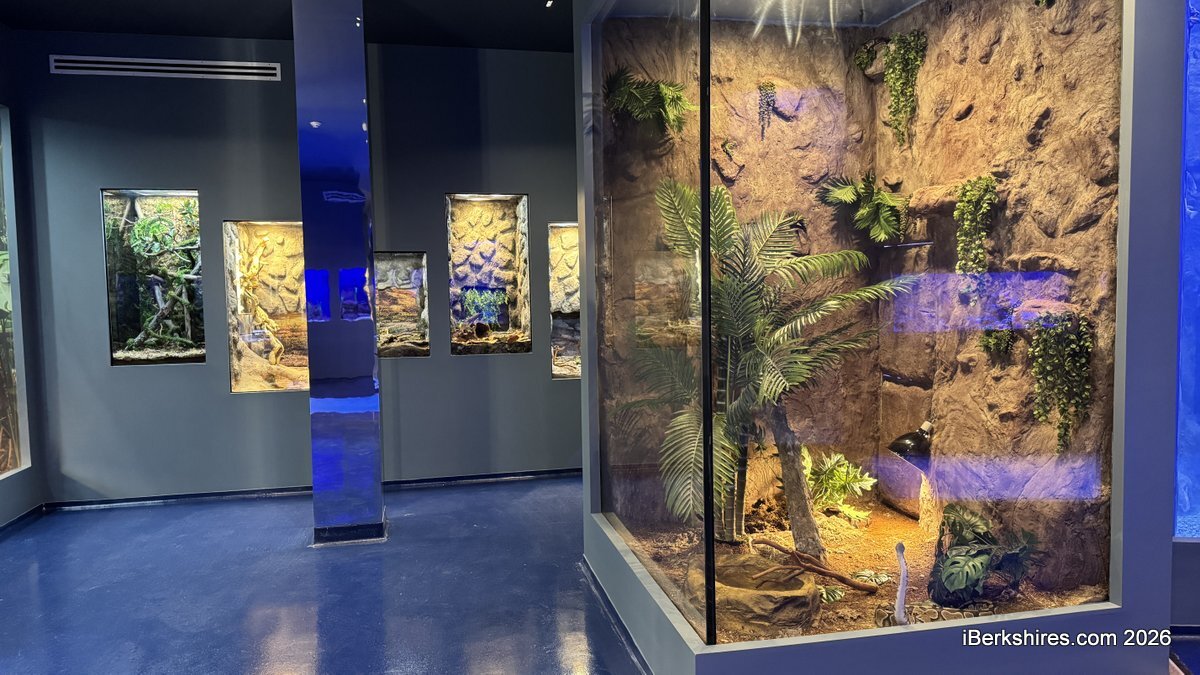
The renovations included a new lobby, gift shop, family activity center, lecture hall, conference room, reimagined first-floor galleries, and a redesigned aquarium that was relocated to the heart of the museum and is twice the size of its former basement home.
"Bringing the aquarium up to the first floor, centering it amongst all our different programs and exhibitions will give greater access to the audiences coming in and creates connective tissue to the different exhibitions nearby that didn't really exist before," said Chief Curator William Dore
The new design maintained the historic building but reorganized the interior of the space to improve the flow and create a space with multifaceted structures that can be transformed to meet the needs of future exhibits or events, from walls on wheels to freestanding exhibition walls.
"This is the Berkshire Museum. It's a community museum, and what we've done is made it a reflection of the Berkshires in the 21st century, without taking anything away from the history. In fact, highlighting the history of what got us here," said Chuck Walker, board vice president.
The museum really spotlights the welcoming atmosphere and various activities that make up the area
Upon entering the building, visitors are greeted by an open, light-filled lobby with soaring ceilings — a stark contrast to the low ceilings prior to the renovation.
Flooded with natural light from tall windows, the lobby features furnishings, digital displays, educational materials, and an open-concept design that welcomes visitors while offering a glimpse of the discoveries that await throughout the museum, Hakomori said.
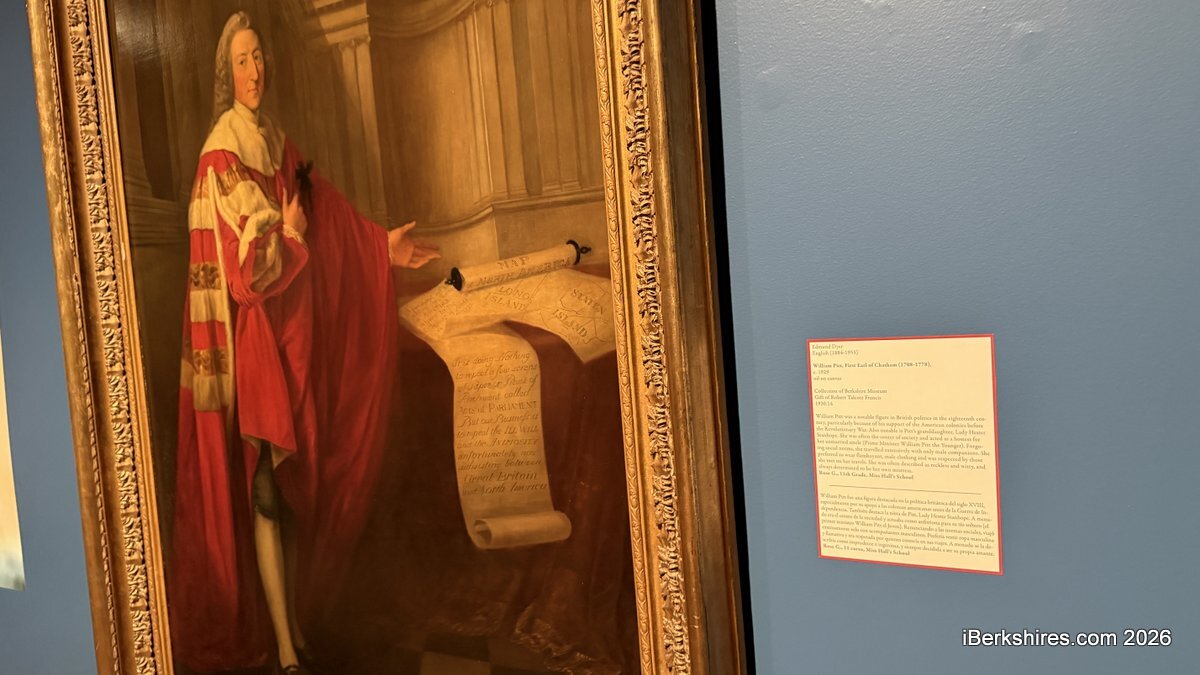
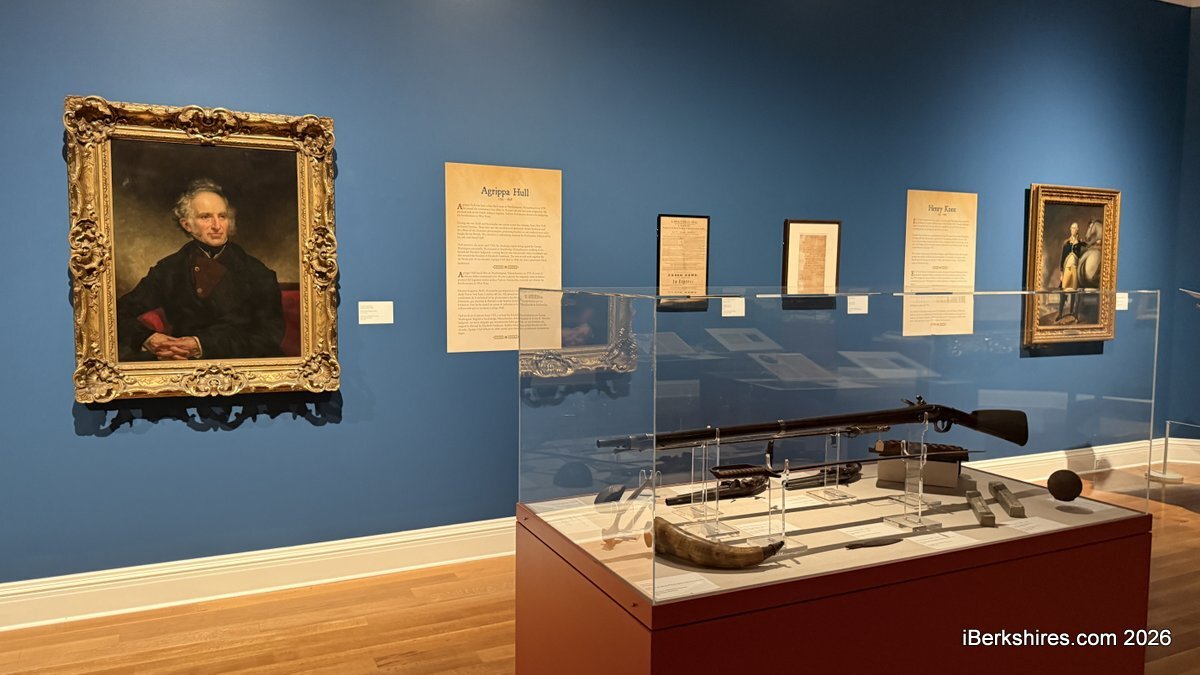
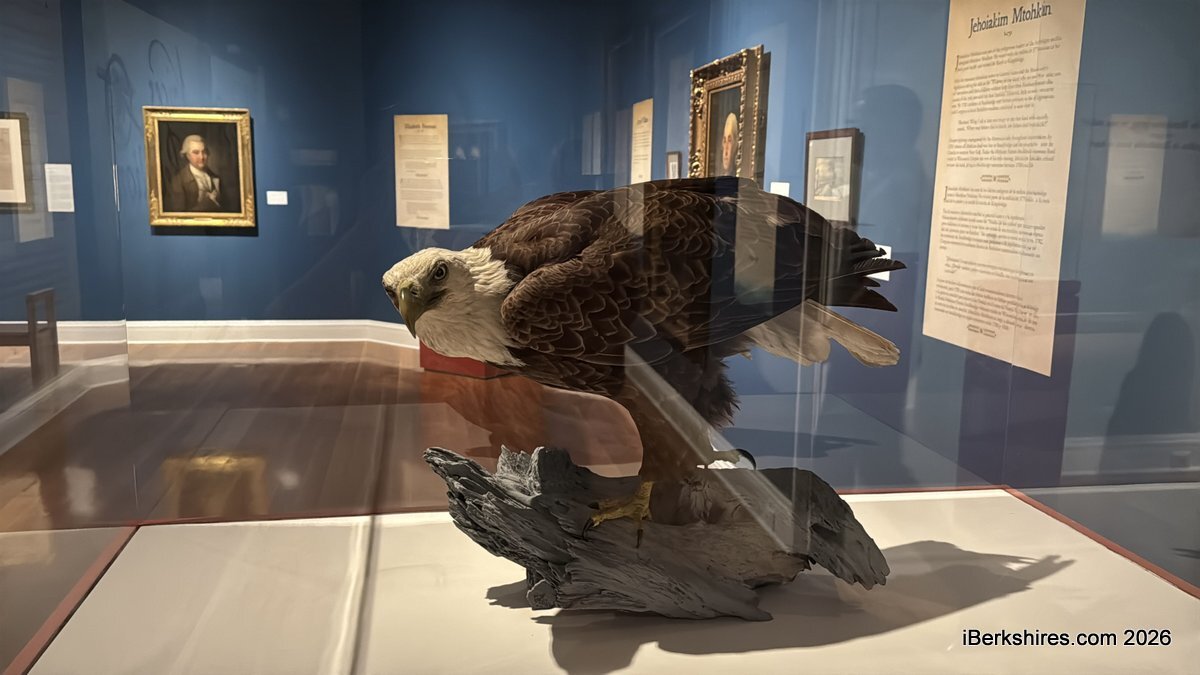
The first-floor galleries showcase objects from the museum's collection across several themed spaces, including Cabinets of Curiosities, Hall of History, Immersed in Nature, Paleontology and Geology, and The World in Miniature.
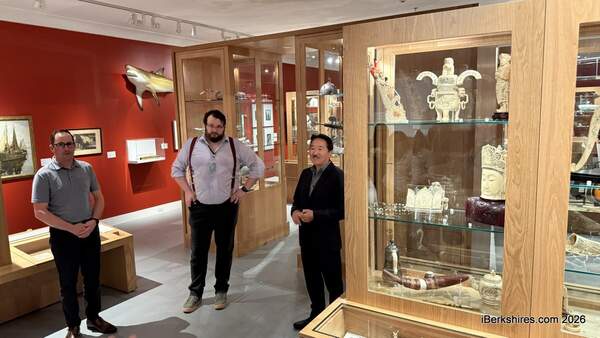
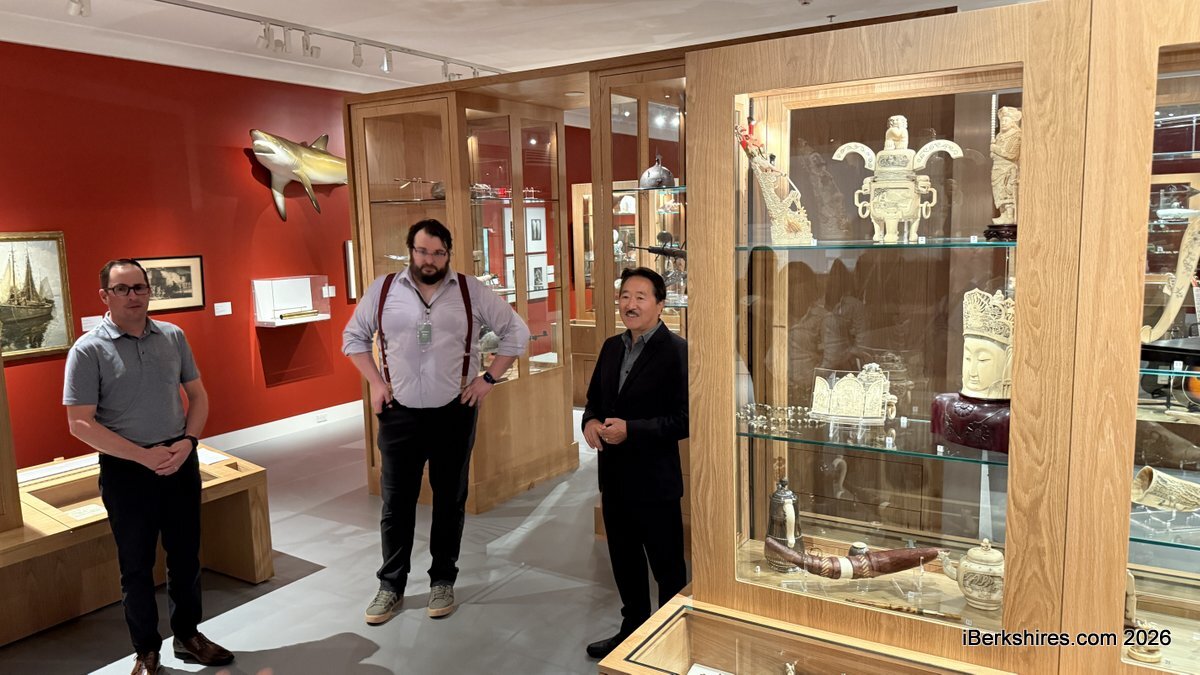
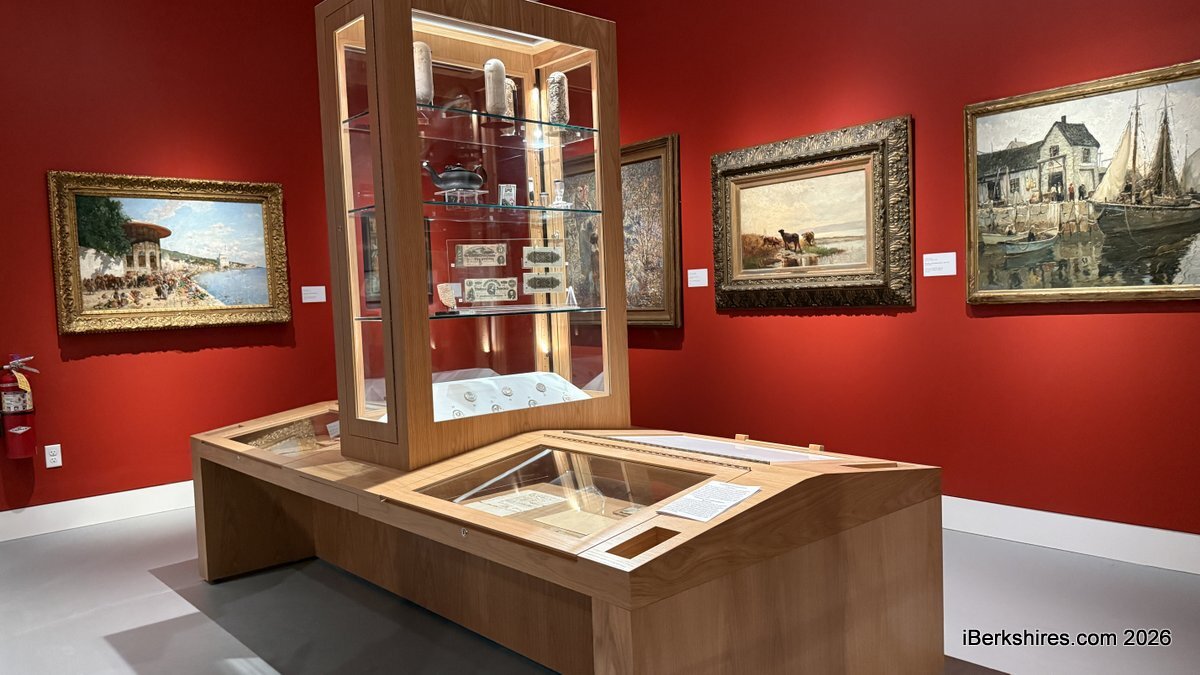
The Cabinets of Curiosities exhibit is a major part of the exhibition collection in this museum, displaying items of different themes between weapons, jewelry, writing, paintings, musical instruments, and other items, in eight new red-oak cabinets, Hakomori said,
In the space, visitors are able to see all these different things simultaneously and hopefully begin to understand the connections between art, history, and natural science, he said.
"This cabinet of curiosity will hopefully create curious questions about what these objects are, and we think that that's why this is really kind of the one of the most important galleries in the museum," Hakomori said.
The versatility of the cabinets also allows curators to continuously cycle through the thousands of objects in the collection, Dore said.
This adaptability is something that was done throughout the museum allowing it to maintain and expand on some "fan favorite" experiences, while introducing new things people may not have seen before, he said.
One of the first things that stood out to Hakomori when he visited the museum was seeing a group of children holding hands and excitedly exploring.
"I understood this museum is about educating the young and the old, and so we were very careful to design things just specifically for children," he said, highlighting spaces and galleries geared toward children.
He said a defining feature of the museum is its focus on creating interactive experiences for visitors, especially children, and the redesign was built around preserving and expanding that approach.
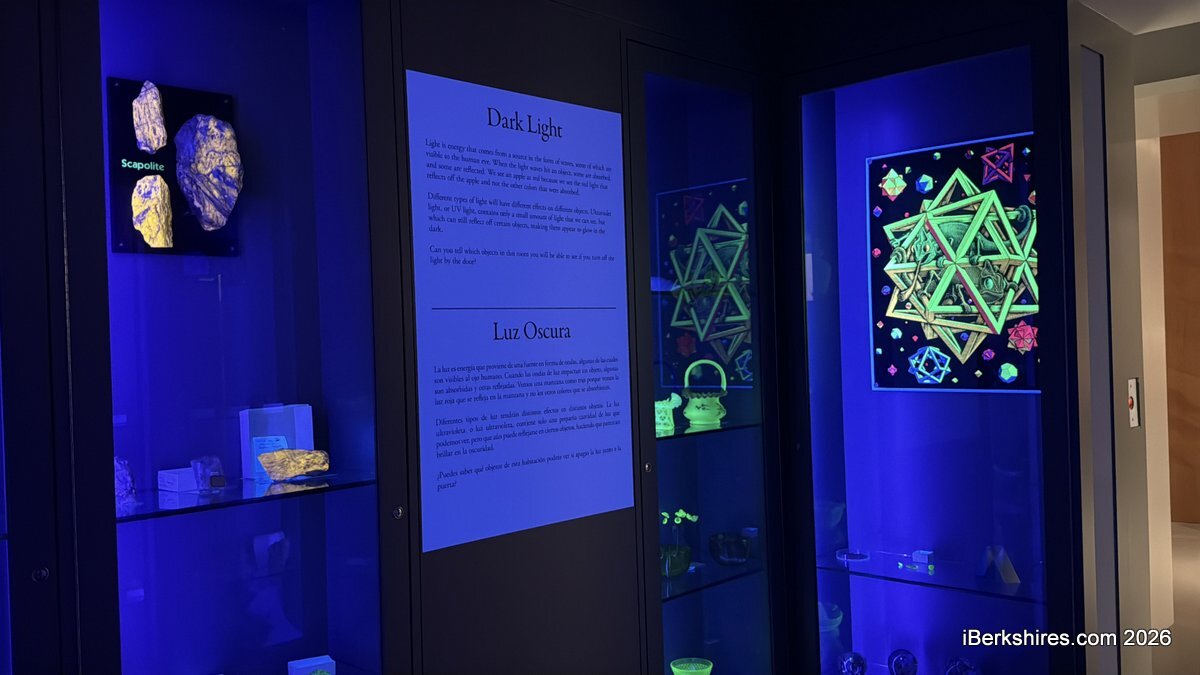
This is found in several exhibits, including a dark room within the Paleontology and Geology area that displays items made of iridescent stones and minerals, and the Around the World 360 room, transporting visitors to 10 different scenes around the globe through an immersive projection room.
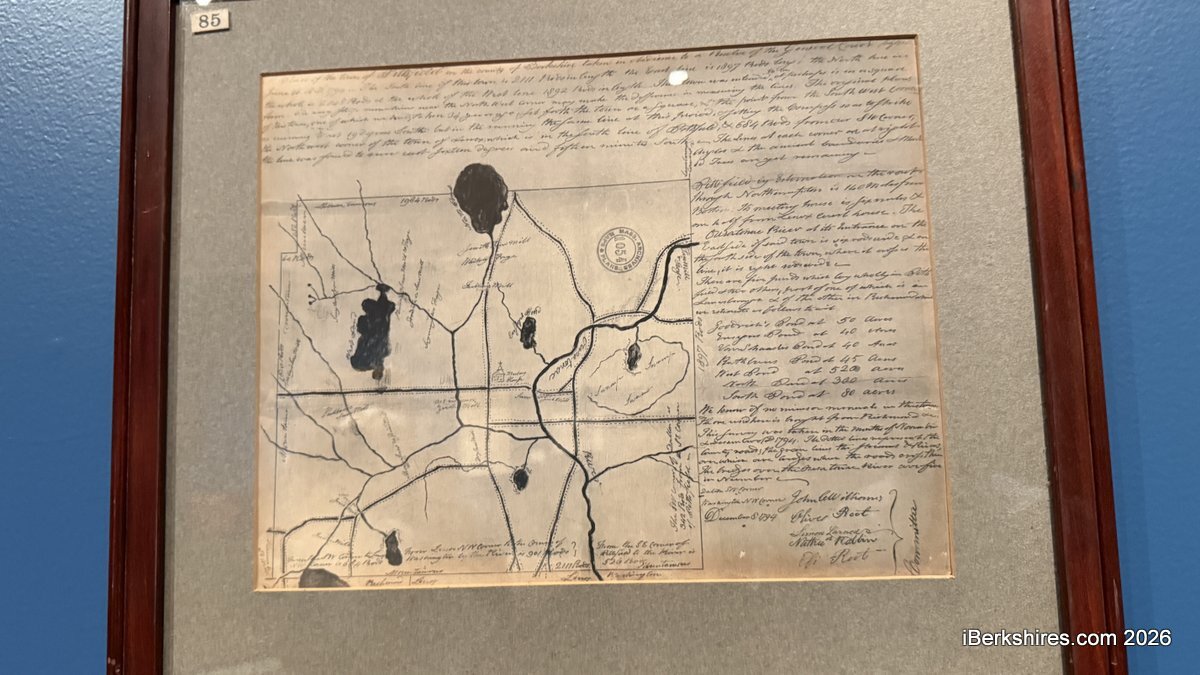
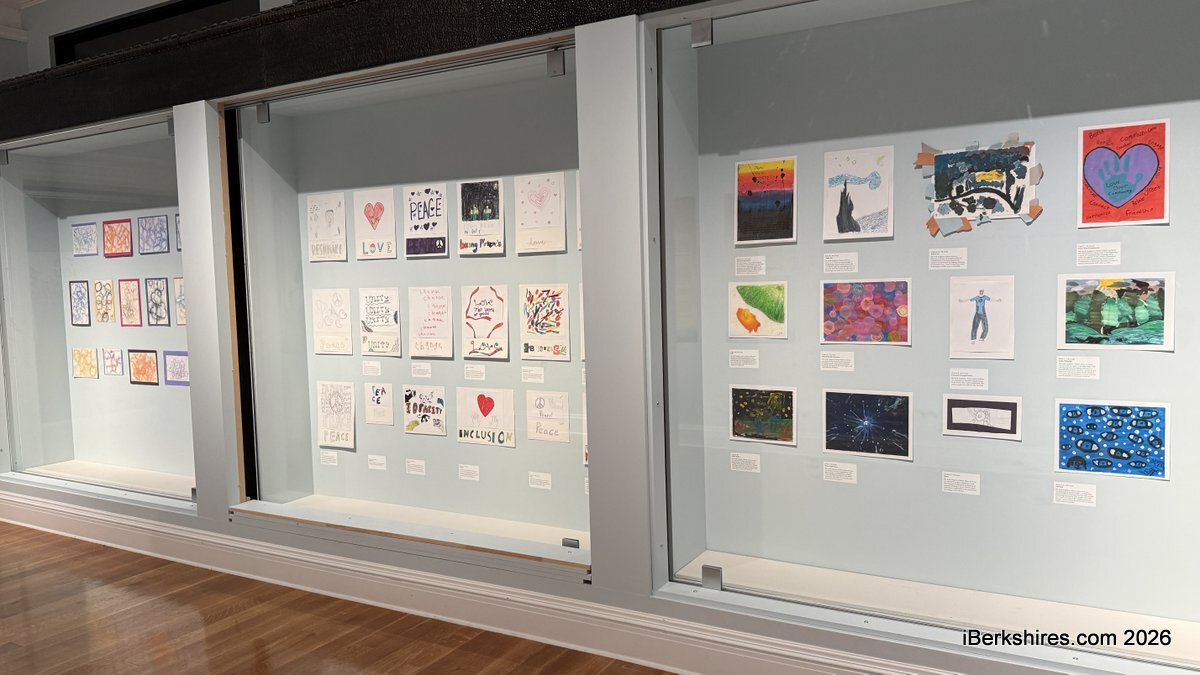
Several elements incorporated into the galleries and exhibits reflect the museum's community focus, which is considered one of its foundational values, from a painting of historic Wahconah Park, one of the oldest maps of Pittsfield, some stones and fish native to Massachusetts, and artwork created by Berkshire County students.
Although the Around the World 360 room has images of areas around the world, the museum plans to increase its catalog of videos, incorporating Berkshire-based aspects such as the top of Mount Greylock, officials said.
Below, art created by Drury High School middle-schoolers in North Adams represent the past, present and future in the 'Remembering Times Past' gallery.
Tags: Berkshire Museum,