Federal Funding Cuts Put Stress on Local Nonprofits
STOCKBRIDGE, Mass. — Nonprofit organizations are seeing increased need coupled with funding challenges from federal cuts.
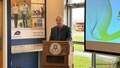
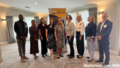
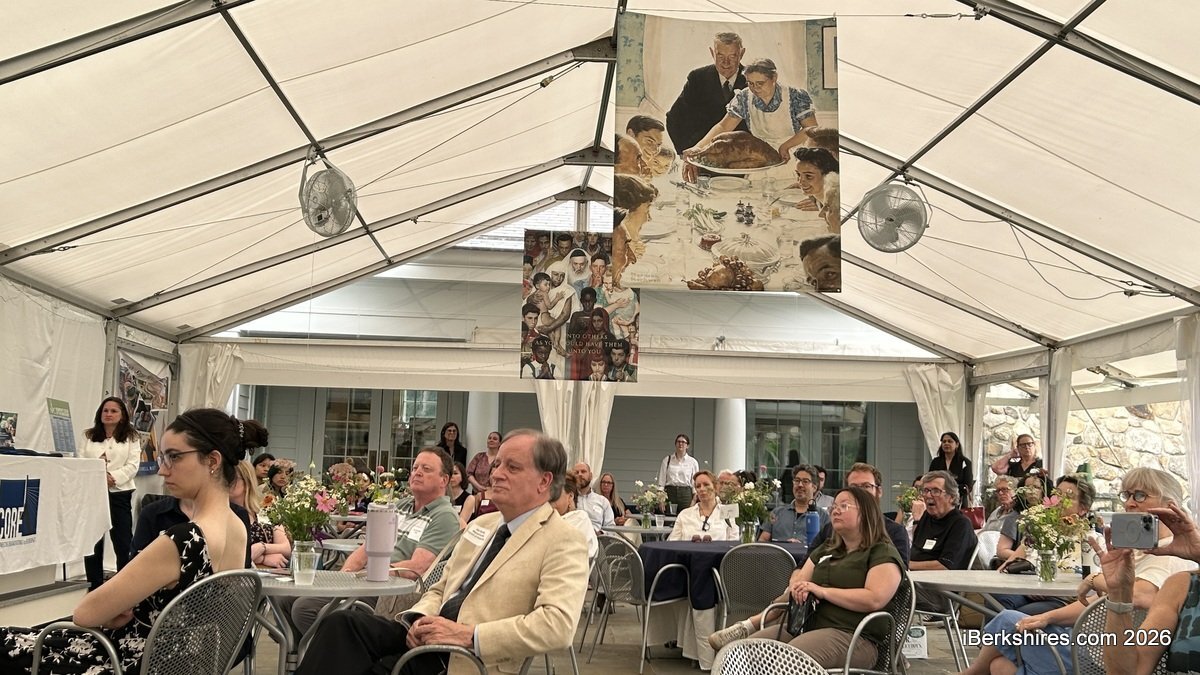
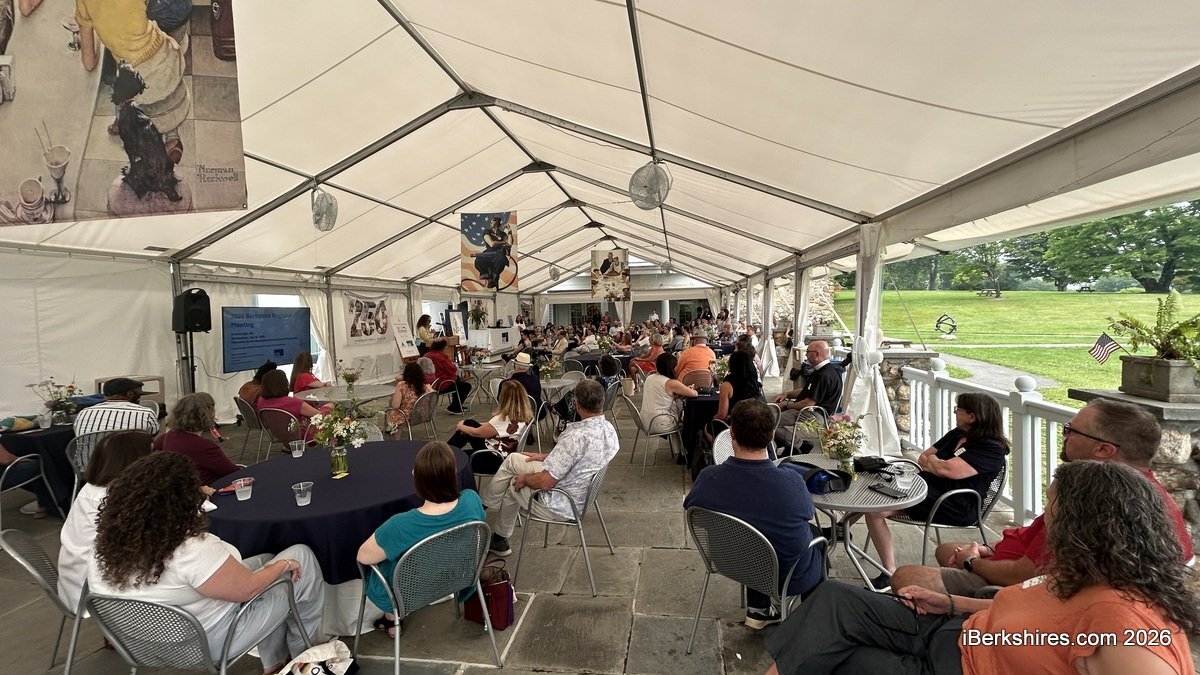
On Wednesday, the Nonprofit Center of the Berkshires hosted a regional meeting on the impacts of federal funding cuts with the Massachusetts Council of Nonprofits and sector employees at the Norman Rockwell Museum.
A statewide nonprofit survey conducted earlier this year shows organizations see an increased demand for services compared to one year ago, specifically around food, and 41 percent of nonprofits have expanded services in response to federal policy changes.
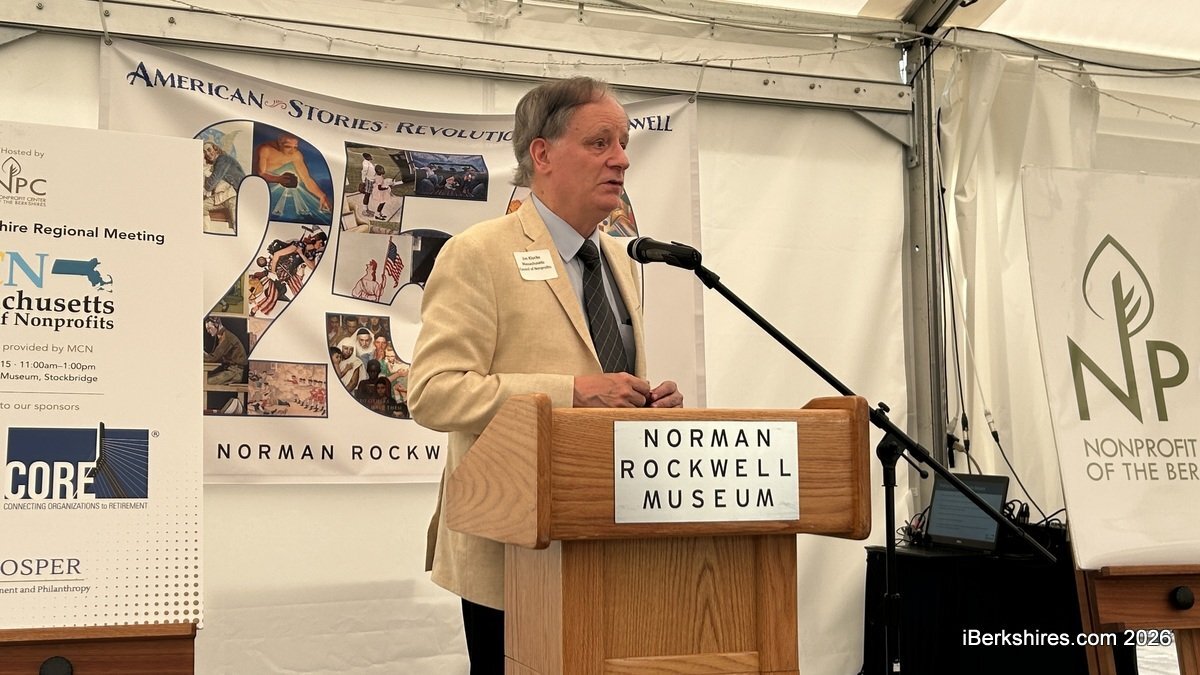
"There is more demand out there. Nonprofits are expanding services to meet that demand. That just leaves one challenge: How do you pay for it all?" said Jim Klocke, CEO of the Massachusetts Council of Nonprofits.
"…We ask this question actually every year in our own member surveys, and generally, about half the nonprofits say their financial condition is better than it was a year ago, about a quarter say it's the same, and about a quarter say it's worse. It's different this year. Majorities say their financial condition is worse than it was a year ago. We wish that were not the case, but it's the reality."
According to the National Council of Nonprofits, these actions include an attempted federal funding freeze in early 2025, DOGE's review and termination of grants, executive orders targeting specific issues and program areas, federal investigations of nonprofits, and threats to revoke their tax-exempt status, among others.
This Massachusetts nonprofit sector is one of the largest in the country, with 550,000 people totaling 17 percent of the workforce. MCN has more than 600 nonprofit members from the Berkshires to the Cape and Islands, and 41 percent of them expect to have weaker financial positions in 2027.
The council is working on an agenda to protect nonprofit organizations' statuses in response to federal actions that restrict or cut off funding for nonprofits, among several other actions outlined during the meeting.
Klocke reported that there have been efforts over the past 18 months to take away certain organizations' nonprofit status or pressure them into changing policies and signing agreements that mirrored what the government wanted them to do.
"Those are foundational, existential challenges," he said.
"Funding challenges are very hard. Funding challenges occur every year. If anybody cuts any of our funding by 30 percent, we're going to go through hell, but we're going to survive. If they try to take away our nonprofit legal status, we don't exist as organizations."
He pointed out that elections are the legal foundations that nonprofits operate under, as well as the foundations of government programs, agencies, and services nonprofits partner with every day: "Elections are about who we are as a people."
Foundations have been reporting an uptick in proposals this year, a described ripple effect from the squeezing of other federal programs. It was pointed out that even organizations that don't receive federal funding might be in heightened competition with others who saw cuts.
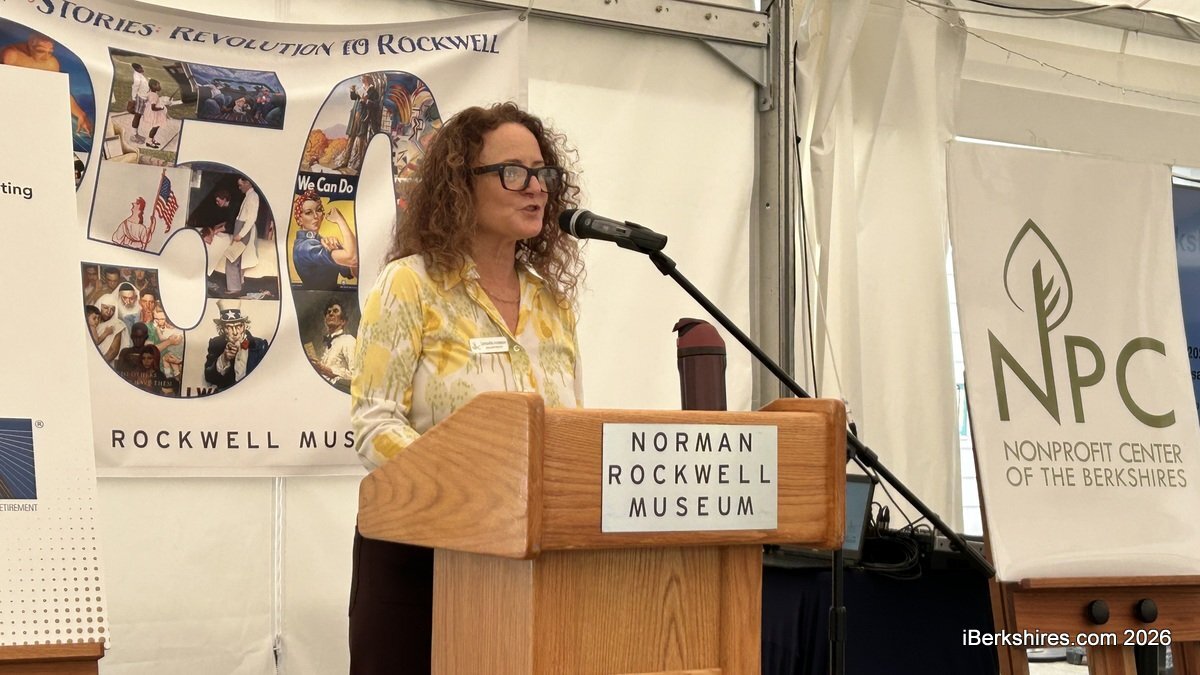
Jill Gellert, chief operating officer and chief financial officer of the Norman Rockwell Museum, said that while they all have different missions, there is a shared common purpose of creating opportunities, enriching lives, and making communities stronger.
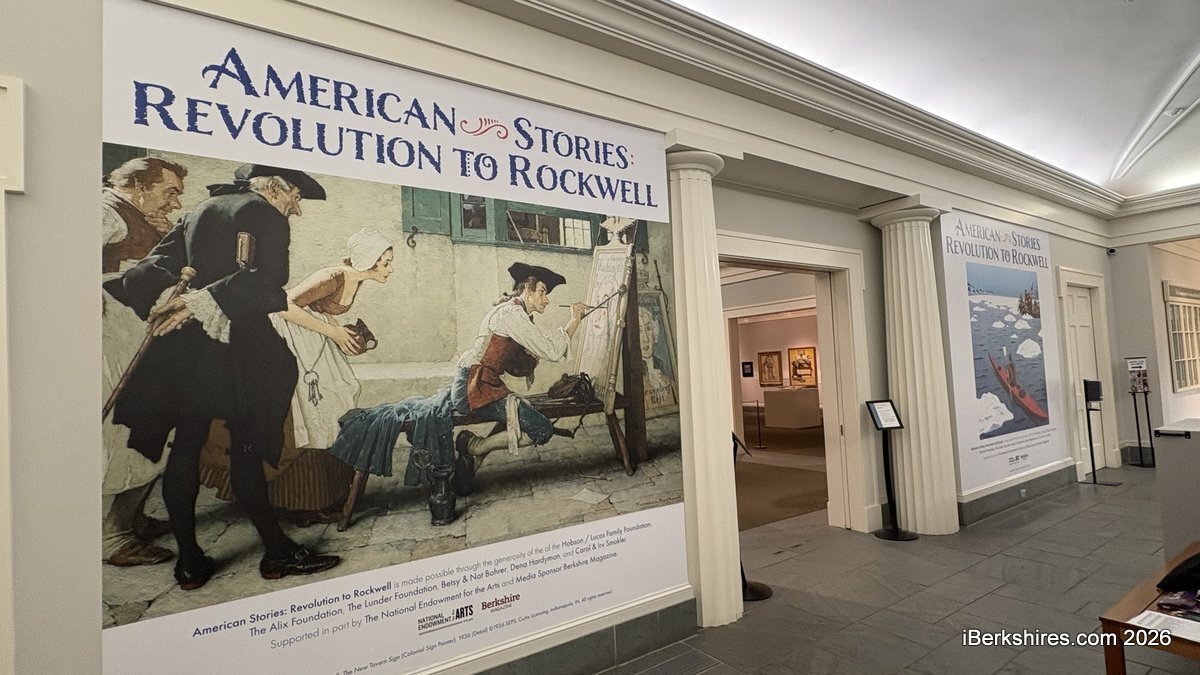
After the conversation, representatives from many nonprofits ate lunch and toured the museum, which currently commemorates the 250th anniversary of America's founding with the exhibition "American Stories: Revolution to Rockwell," exploring how artists have made visible the evolving story of America.
"Norman Rockwell had an extraordinary ability to capture moments that reflected our shared humanity, moments of compassion, resilience, hope, and connection. Those same values are at the heart of the nonprofit sector," Gellert said.
"Every organization represented here has its own story of impact, and today's gathering is an opportunity to learn from one another, build relationships, and strengthen the collective work we do across Massachusetts."
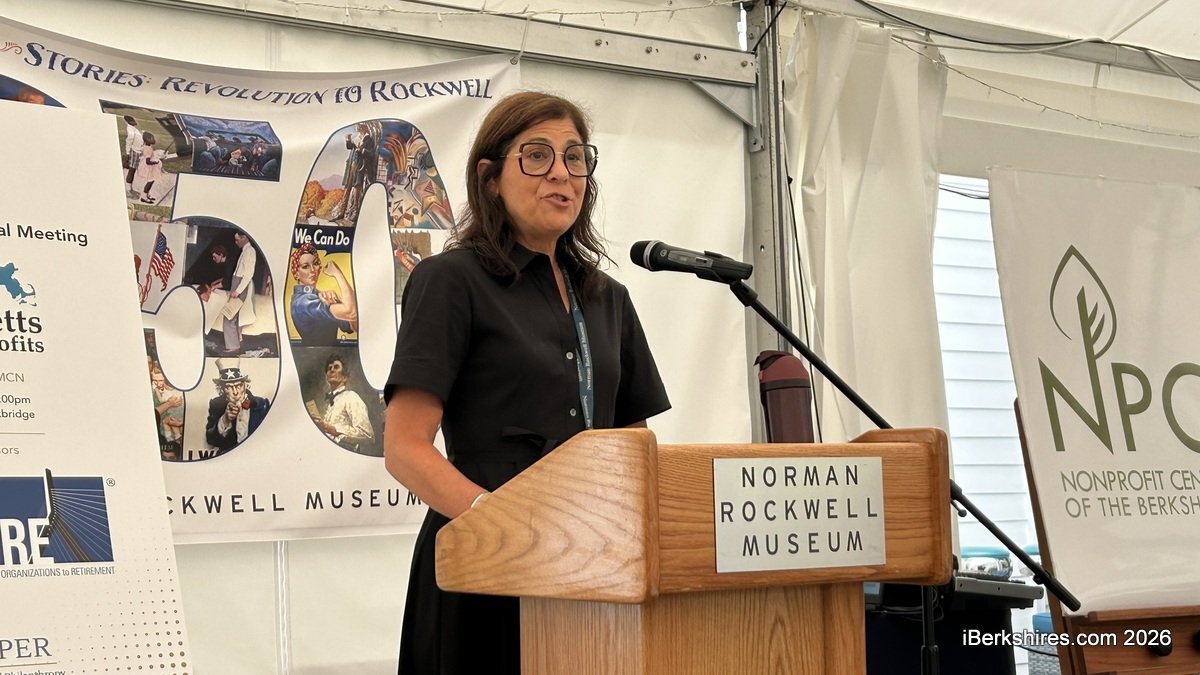
Samantha Anderson, executive director of the Nonprofit Center of the Berkshires, has been thinking a lot about what freedom means, with July 4th recently passed. Rockwell created four paintings about freedom that are positioned in the rotunda: freedom of speech, freedom of worship, freedom from want, and freedom from fear.
"And what strikes me standing here in this room with all of you is that not one of those freedoms is something that you enjoy alone," Anderson said.
"Freedom of speech needs someone willing to listen, freedom of worship means you can believe what's in your heart, freedom from want means neighbors need to show up, and freedom from fear needs a community that has your back."
She pointed out that Rockwell didn't paint the Founding Fathers or battlefields, but the ordinary people of this country: a man standing at a town meeting, a family at a dinner table, a mother tucking her children into bed.
"He understood that freedom isn't handed down on high; it's built, protected every single day by people like every one of you here in this room," she said.
"So here's what freedom means to me, and why I think we all do this work, and why we do it together: Freedom isn't the absence of obligation to each other. It becomes possible when our obligation exists to each of us; every person in this room is in the business of freedom, and you are the connective tissue that turns a promise into living reality, and that's worth protecting, especially now."
Klocke was in Washington with colleagues from around the nation a month ago and said, "we have it good here" because while Massachusetts is not perfect, there are relationships and collaborative work between all elements of state government.
"People don't agree on everything. Sometimes the disputes take a while, but budgets get done, big issues get tackled, and it can always improve," he added.
"And we want it to improve, but we need to note that when you look at other states, we in Massachusetts are fortunate in that regard."
The regional meeting was sponsored by the Massachusetts CORE Plan, Acrisure, and Prosper Nonprofit Advisors.
Tags: federal funds, nonprofits,