Williamstown Planning Board Tables Waubeeka Overlay Proposal
WILLIAMSTOWN, Mass. — The Planning Board on Tuesday night voted to table an idea to create an overlay district to allow a hotel in South Williamstown — effectively ending the chance the body will bring a bylaw change proposal to annual town meeting.
The board had an agenda item to continue refining a bylaw it drafted along with Town Planner Andrew Groff to address a request by the owner of Waubeeka Golf Links.
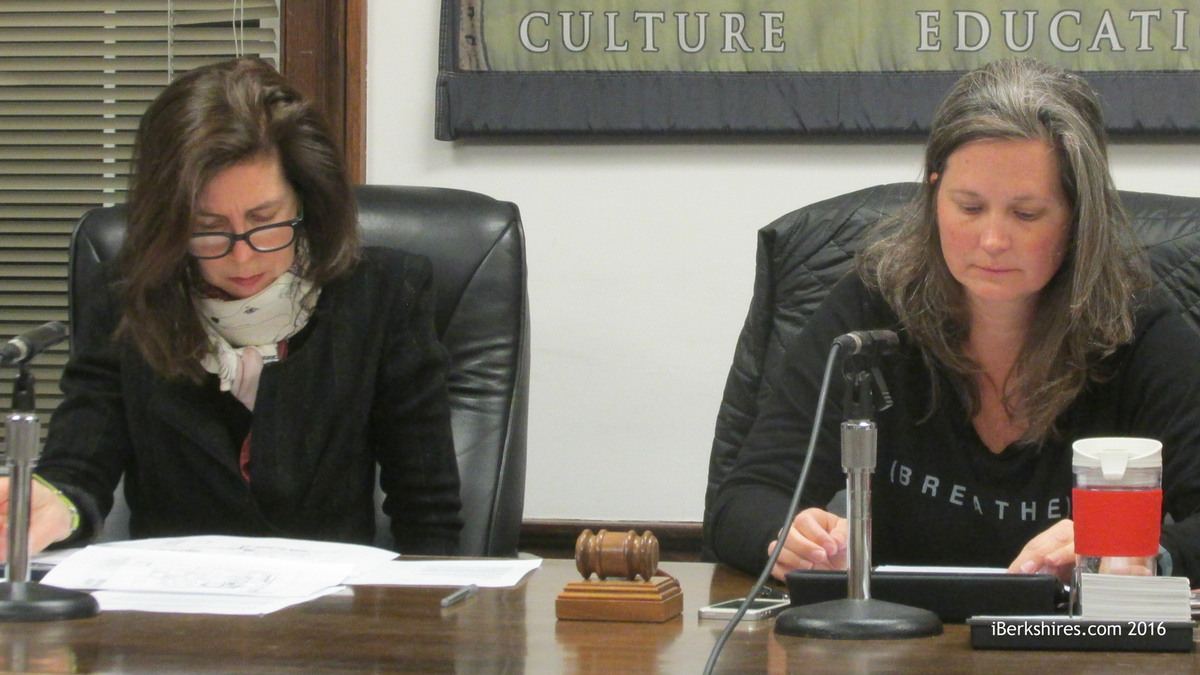
Before such consideration could begin, board member Ann McCallum moved that the board set aside the issue until Waubeeka owner Michael Deep bring the body more information. She also initially suggested that the board require such a bylaw amendment include a demand that Deep acquire a conservation restriction covering most of his property.
Deep's lawyer previously called the conservation restriction idea a "non-starter" that would kill the project. The bylaw draft already had a requirement that "no less than 85 percent" of the overlay district remain open space — a provision Deep and attorney Stanley Parese supported.
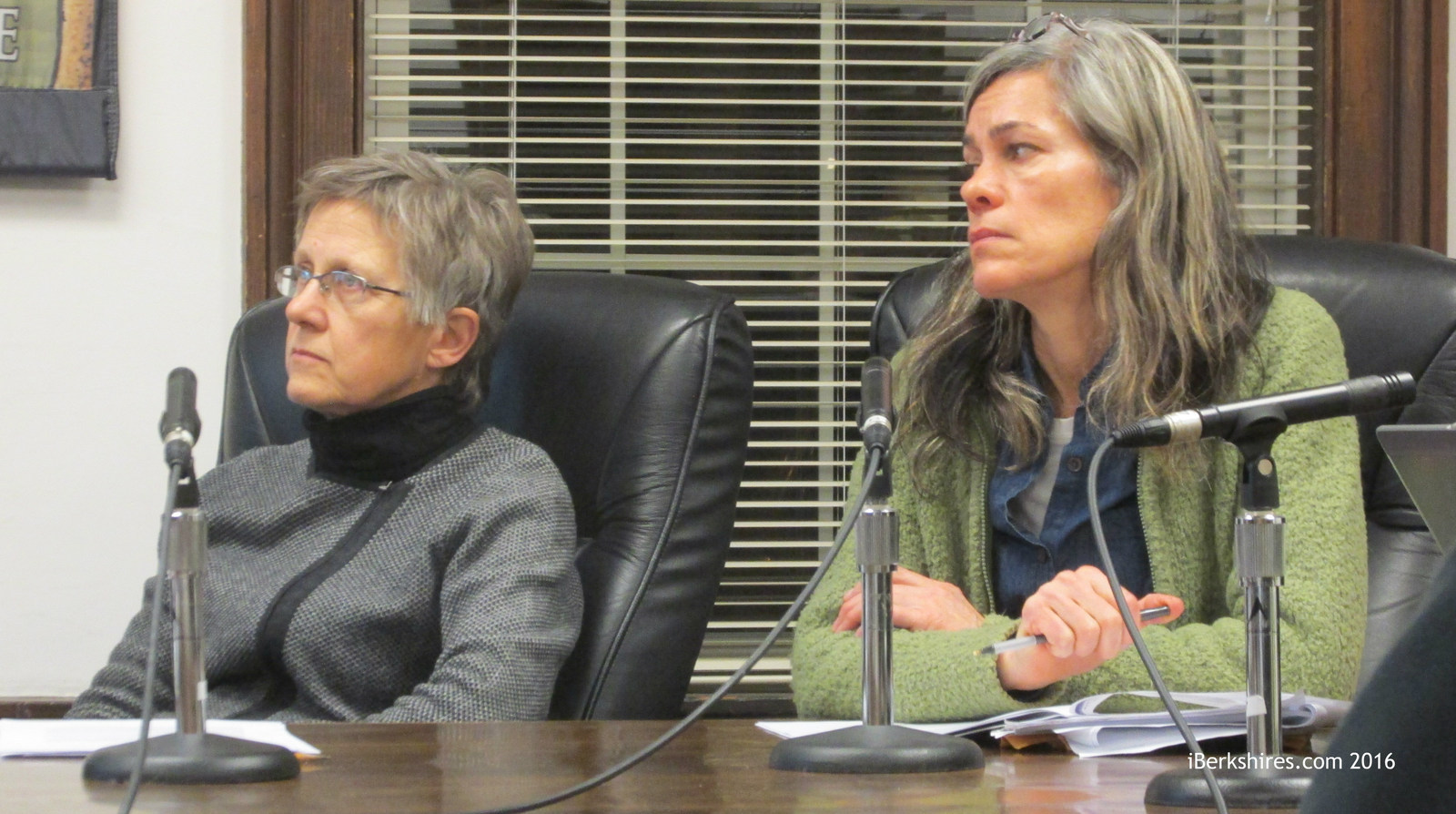
But McCallum, Sarah Gardner and Elizabeth McGowan voted to close discussion of the proposed overlay district on the grounds that Deep needs to "do his homework" and present "a professional marketing study," "schematic design" for a possible hotel, and the "name and credentials" of the partner Deep would engage to build and operate the hotel.
In September, Deep explained to the board that the golf course is not economically viable, and he hopes to find a partner to build a hotel that would bring a stable revenue stream to the property and, thereby, keep the golf course in business.
In response to requests for "more information" from abutters and Planning Board members at subsequent meetings, Deep and Parese have maintained it's putting the cart before the horse to demand a marketing study or building designs before a regulatory path for the project — i.e. a zoning change — is in place.
Parese has pointed out that Deep is not seeking a zoning change that would allow a hotel "by right" on the property but one that would require any hotel plan to face the scrutiny of the Zoning Board of Appeals and be subject to design criteria the Planning Board can write into the bylaw.
Those assertions did not satisfy the three members of the five-member board who voted to stop working on the bylaw.
"I'm not trying to shut down the idea of doing this," McCallum said. "I just want him to do a little bit of homework."
"Every one of us has made it clear that we want the golf course to succeed," Gardner said.
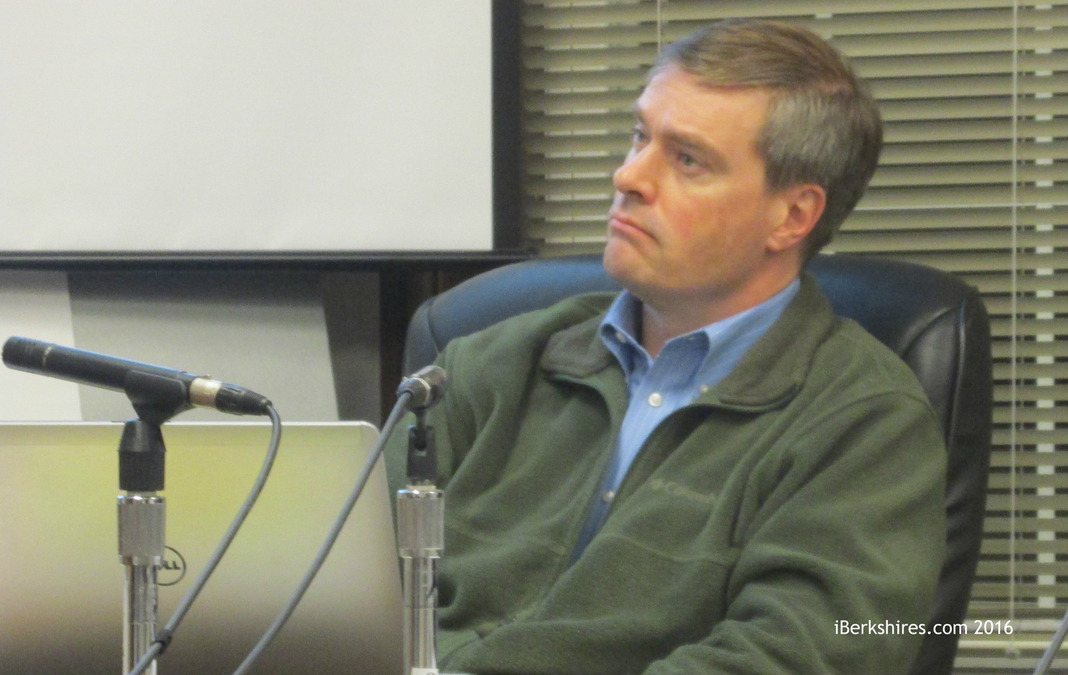
Board member Chris Winters, who voted with Chairwoman Amy Jeshawitz against the idea of tabling the issue, said McCallum's initial motion would, in fact, kill the project.
"You've had the applicant say your first condition [a CR] is a non-starter," Winters said. "It's is like saying we're in favor of unicorns."
McCallum subsequently backed down from making the conservation restriction a condition of further discussion, saying she was "a little convinced" by Parese's argument that the open space provision in the bylaw draft was sufficient.
The sticking point for the Planning Board and several South Williamstown residents in the room on Tuesday night continued to be the lack of specificity in Deep's plans. The majority of board members insist that Deep do a marketing study and present specific plans for the size and location of the hotel before a zoning change is considered.
Planning Board members also accused Deep of changing his proposal since the Sept. 1 meeting.
McGowan complained about the "amorphous nature of the proposal."
"It first came to us as a small country inn," McGowan said.
Gardner, who joined the board on Nov. 30, later echoed McGowan's complaint.
"As far as I read this [bylaw draft], it could be like those two big hotels at Jiminy Peak," Gardner said. "I don't think that's what we envisioned as a quaint country inn."
At the Sept. 1 meeting, Deep specifically told the board, "We have no plan. I've got a dream."
The only specifics offered by Deep at the initial meeting were that he foresaw a possible three-story structure with a a 300-seat banquet facility.
"A developer will have a very clear and strong opinion about what is the right number [of rooms]," Parese said at the Sept. 1 meeting. "At this early stage, I wouldn't pretend to know what that number is but it's not a huge number. There's not a 500-room hotel on the horizon."
Board members voting in favor of tabling the idea insisted that the marketing study and schematic design were needed before the board could act and are not unreasonable expectations of the landowner.
"Your investment, while not insignificant, would not be so onerous," McCallum told Parese, standing in for Deep, who was attending a national golf trade show.
Winters disagreed with McCallum and argued it's not the Planning Board's job to assess business plans.
"It does not have to be proven to us what kind of businesses are needed, in our opinion, in the community," Winters said.
Parese agreed.
"This Planning Board has neither the competence nor the the statutory authority to sit someone down and say, 'What's your business model?' " Parese said. "That's nothing that happens in a zoning regime. Why we're talking about it is difficult to grasp."
As for the notion of a schematic design, Parese said the Planning Board was attempting to turn its deliberation into a special permit hearing, and this is the wrong stage of the process for that discussion.
"The Zoning Board of Appeals is capable of doing its job," Parese said.
Parese noted that McCallum's motion called on Deep to provide a schematic design but specifically mentioned that he need not do an engineering study.
" 'No engineering study' means 'Draw us a pretty picture, and the minute what you propose doesn't adhere to the pretty picture, we're going to clobber you,' " Parese said.
Three members of the Board of Selectmen attended Tuesday's Planning Board meeting. Selectwoman Anne O'Connor watched from the audience. Selectmen Andrew Hogeland and Hugh Daley each spoke from the floor. Hogeland argued for tabling the bylaw discussion; Daley argued against McCallum's motion.
"At every meeting since September, [Deep] has been asked to give you a plan or some kind of numbers and he's chosen not to," said Hogeland, a South Williamstown resident who lives near the Waubeeka property.
"I think we regrettably are in a bad situation because there's nothing available at all. The information, for me, doesn't have to come from a partner. It should come from someone who is an expert in the field. This board has an obligation to write a bylaw based on good research."
Daley noted that earlier in the meeting, the Planning Board voted to send town meeting bylaw changes that relax the regulations on home-based businesses. He said the town does not require someone wishing to open a massage studio prove that the market supports the business.
"This is so different," McCallum said.
"It's not different," Daley said. "The problem is you believe it's different because of the scale."
McCallum said a home-based business and a major project like a hotel cannot be equated.
"This is one person coming to us asking us to make a major change to the bylaw with zero input," she said. "He just has a pie-in-the-sky idea. Why would we do that."
Daley said that while he supports the idea of letting town meeting decide whether Deep should be allowed to explore the hotel idea, he is concerned not just about the specific case but also the perception that Williamstown is closed to business.
"I'd suggest this is an opportunity for you to draft the bylaw you'd like to see the hotel operate under," Daley said. "You're looking at it as a threat.
"As long as you look at new growth in Williamstown as a threat, nothing is going to get done."
In other business on Tuesday, the Planning Board issued a parking determination for Williams College's new science building project, clearing one administrative hurdle for a project that faces its second ZBA hearing on Feb. 4. The board also sent a number of bylaw amendments to May's annual town meeting, including the provisions designed to make it easier for small scale home offices and home-based businesses that have minimal impact on neighborhoods.
Tags: motels, hotels, Planning Board, waubeeka,