Parks Commissions Approves Improvements To Pellerin Field
PITTSFIELD, Mass. — The first round of improvements to the newly named Buddy Pellerin Field at Clapp Park is set for this summer.
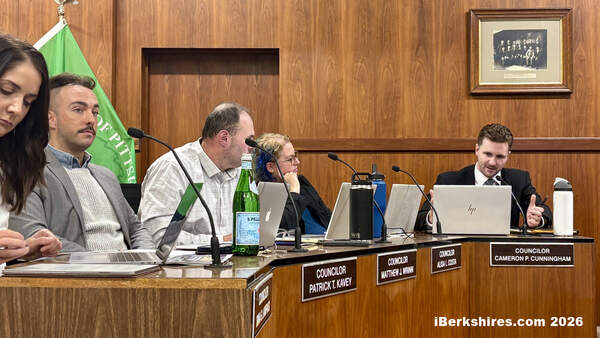
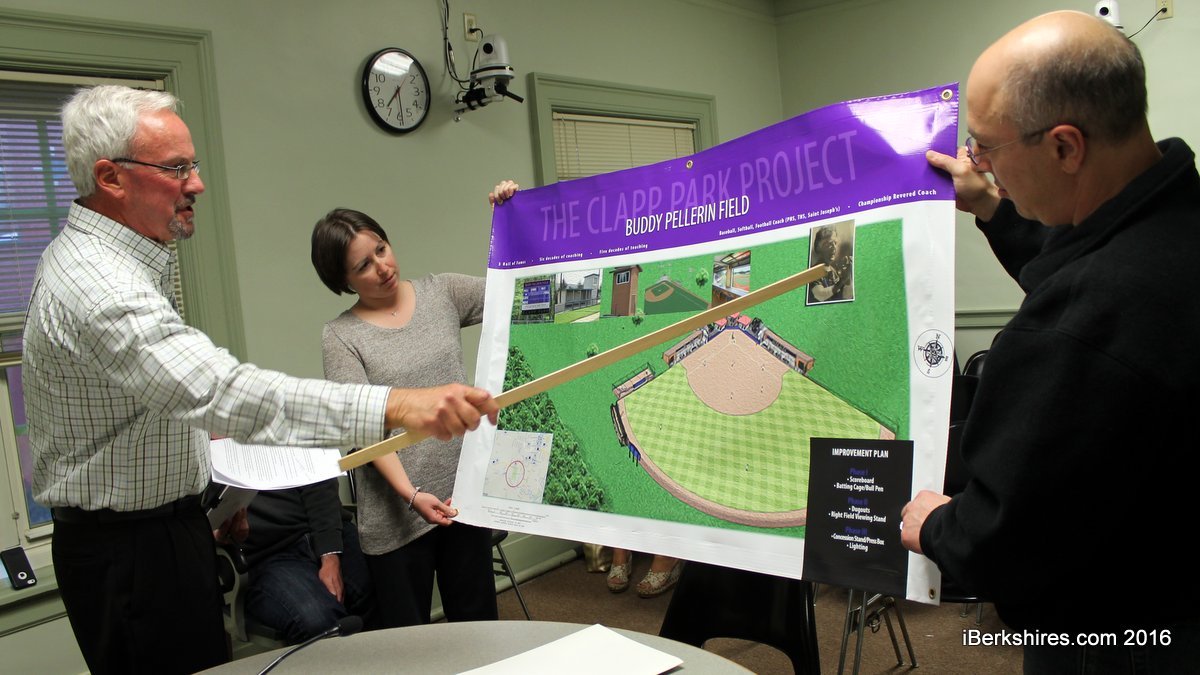
The Parks Commission gave the group heading the effort the OK to order a scoreboard and to continue planning for a number of other additions and changes to the field. The group has already raised $20,000 and has set a goal of a quarter of a million to make four phases worth of improvements to the ballfield.
"The support and feedback from the public has been unbelievably positive," said Ken Ferris, who is heading the effort.
Ferris was joined by Peter LaFayette in presenting the first-phase plans. The organization is paying for the changes through fundraising and is now looking at potential grants to help. They have launched a website to collect donations.
"One of the key elements is a scoreboard. The hope is to have this scoreboard ordered and installed this summer," LaFayette said.
The scoreboard is similar to the one at Deming Park and will feature the new field name. The group hopes to have it installed and ready for a dedication ceremony in September, which with coincide with a 1966 State Championship team reunion celebration. The scoreboard is eyed to be placed in right field so it can be seen by people watching the game on the hillside.
The fence in right field will also be replaced and brought in by about 5 feet, bringing it closer to the running track. The group's goal is to make a section for people to sit and watch the game there instead of along the roadside.
"The idea is to replace the existing fence which is 8-feet high, with a 12- to 15-foot fence," LaFayette said.
A major problem with Clapp Park and the field is that few people utilize the parking lot in the back of the park and instead line up along West Housatonic Street.
"Parking on West Housatonic Street creates a number of safety concerns," Ferris said.
Parks and Open Space Manage James McGrath said the ultimate goal with the park is to address the West Housatonic Street concerns in part of the city's master plan for the park.
"This is a good opportunity for us to take a step back and look more wholly at Clapp Park and see how it can function better," McGrath said.
LaFayette said the improvements proposed for the park are hoped to support the city's ultimate goal little by little.
"We're talking about a small piece of a master plan for that park that the city hopefully will address at some point," LaFayette said.
Also in right field, Ferris and LaFayette are proposing to remove the kickboard. However, Parks Commissioner Simon Muil said he does see that being used. Ferris responded by saying the board could instead be relocated elsewhere on the park.
LaFayette said the plans include installing a removable batting cage and bullpen area on the first base line as well as wooden barriers between the viewing section on that side and the roadway. The foul pole in the right field corner is also rusted and when changing out the fence, LaFayette said a new pole will be installed. A new flagpole is planned, too.
Next year, the hope is to install a temporary fence in left and center fields. Currently the right field fence is considered a home run but there is no fence in left and center. The fencing will open up for people to use the track and can be pulled down when baseball season is over or another group needs the field. LaFayette said it will "create a sense of 'this is the game field' " that is lacking and prevents people from walking through the outfield unknowingly.
"These are pretty straightforward," McGrath said.
Those improvements to the field is just the first phase. In phase two, the group wants to build dugouts. In phase three they wand to add a scorers box, concession stand, and equipment storage behind home plate. And finally, in phase five they want to add lights to the field.
Tags: ballfield, baseball, parks & rec, parks commission, public parks,