Pittsfield Police, Fire End With Deficits in Overtime Budgets
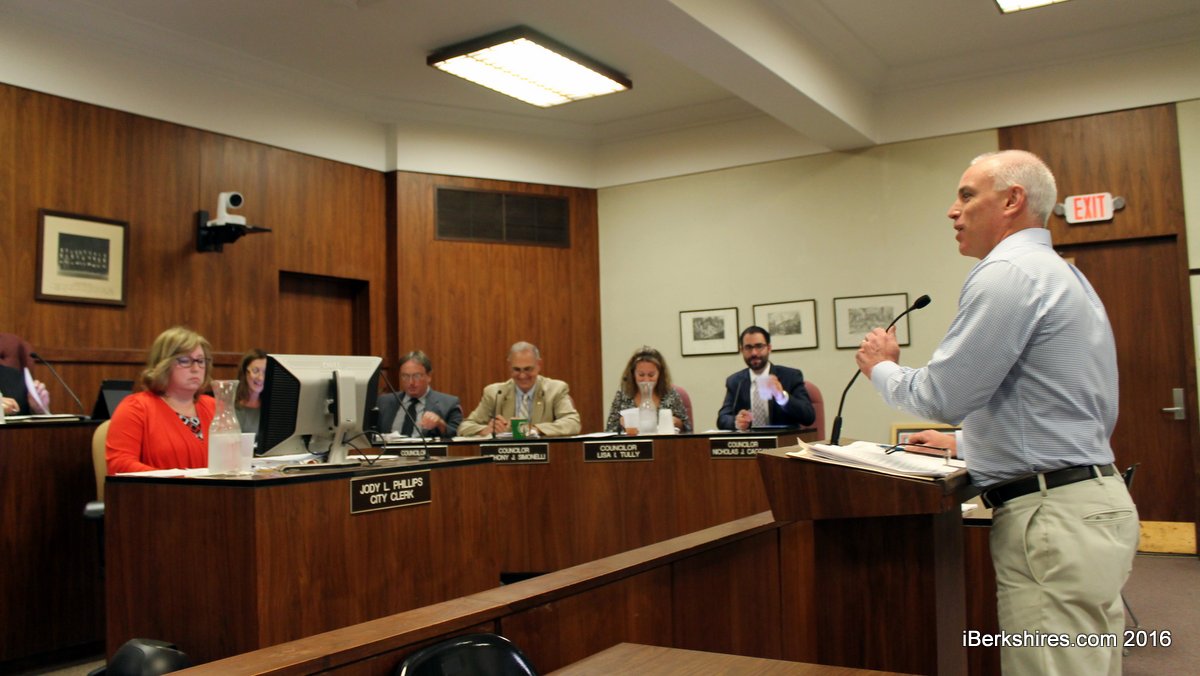
Director of Finance Matthew Kerwood suggested using free cash for the transfer.
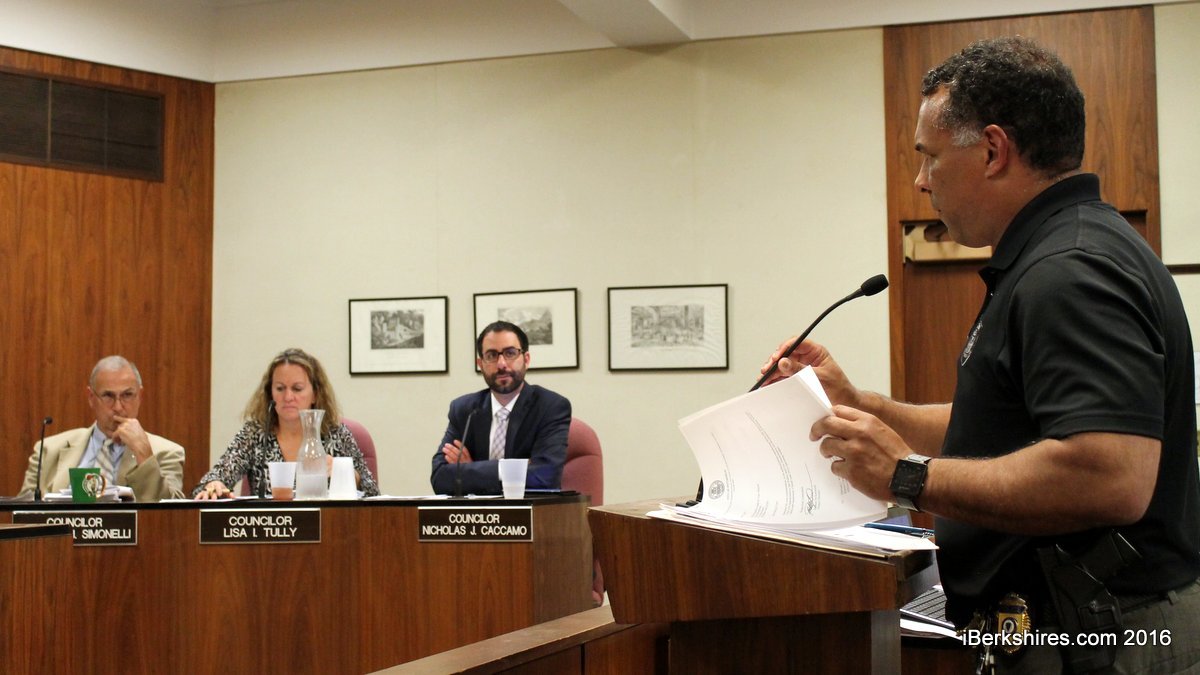
This shouldn't have been much of a surprise to the City Council when it was brought before them on Tuesday because during the budget hearings last year, the chief told the councilors the line was woefully underfunded.
Just two months into the fiscal year, the department had already gone through a third of the budgeted $600,000 for scheduled overtime and a quarter of the $40,000 special investigations line.
"We knew we would be about $300,000 short [to begin with] and as soon as the budget was implemented with had a couple high profile crimes," Chief Michael Wynn said.
The City Council on Tuesday approved transferring $740,000 from free cash to cover the expected deficit. The hole was created because of a number of reasons, according to Wynn.
Just four days into fiscal 2016, the first of three major incidents occurred when a shooting left one dead and four others injured. Later that month, another shooting left one dead on Tyler Street and a few days after that two bodies were found in a Plunkett Street home. The officers stayed on scene and detectives put in the extra hours needed on the cases.
After the Fourth of July shooting, former Mayor Daniel Bianchi implemented a "zero-tolerance policy." By September, there were 30 zero-tolerance patrols coming at the cost of $19,805 all from overtime. Also by September, $29,142 in overtime was spent for 84 downtown patrols, a patrol that triggered heated debate because of the costs.
As this summer crept in at the start of 2016, there has been an uptick on gun crimes — a total of 30 by May that was double than all the year before including the high-profile incidents on Wachonah Street, Circular Avenue, and Bartlett Avenue. Wynn said additional overtime was spent on those cases.
Meanwhile, Wynn says the staffing levels are too low to cover all of the shifts. Much of the overtime was spent on just filling shifts, the chief said. The city is approved to have a force of 91 officers but with vacancies and injuries, there are currently 82 active officers.
"This will be my ninth time in this chamber, overtime is not a solution to staffing. It is an expensive way to do it," Wynn said.
Additionally, the budget for matrons to watch over female suspects in lock up was drastically cut because the department was using county lockup. Almost immediately after the budget was passed, the county lockup program was halted — requiring overtime to pay for in-house matrons again.
The $740,000 number isn't everything either. Wynn said about $50,000 was already transferred from lines within the Police Department budget to offset the deficit.
"In there last two years, we've transferred in from our own accounts on average $520,000 into the overtime account just to maintain current operations," Wynn said.
Director of Finance Matthew Kerwood said offsetting the remaining $740,000 should be used by the city's certified free cash. The city currently has $5,045,476 in certified free cash to spend. Along with a deficit for the Fire Department's overtime — of $230,000 — a total of $970,000 was approved to be spent. Another $2 million is being asked by the mayor to be used to offset the tax rate in fiscal 2017, which will drop the free cash funds to just above $2 million.
However, in closing the books for FY16, any money that is not spent in the budget will be added to that total. Kerwood says historically there is about $4 million to $5 million in free cash available at the end of the year — so another $3 million or so would be expected to be released in the fall.
"We're generally in this four to five million range when we get to the end of the year and we make appropriations," Kerwood said.
But, "as budgets continue to be squeeze and reduced, it limits the amount of flexibility you have when you get to the end of the year when you are trying to move money around from other accounts," Kerwood said.
Kerwood says there just isn't some $600,000 available in another city department budget to transfer to the police department.
The practice of transferring funds at the end of the year to cover police overtime has become a common practice. Some city councilors called for "truth in budgeting" last year and looked to increase the overtime allocation but ultimately, that didn't receive the support from the full council.
"It's been a shell game for the last two years because we knew we had to take free cash to pay for it," Council Vice President John Krol said.
on both of the overtime accounts in Police and Fire because we want to be honest," Tyer said.
Tags: fiscal 2017, overtime, Pittsfield Police, pittsfield_budget,