Zion Church Apartments, Resource Center Nearing Completion
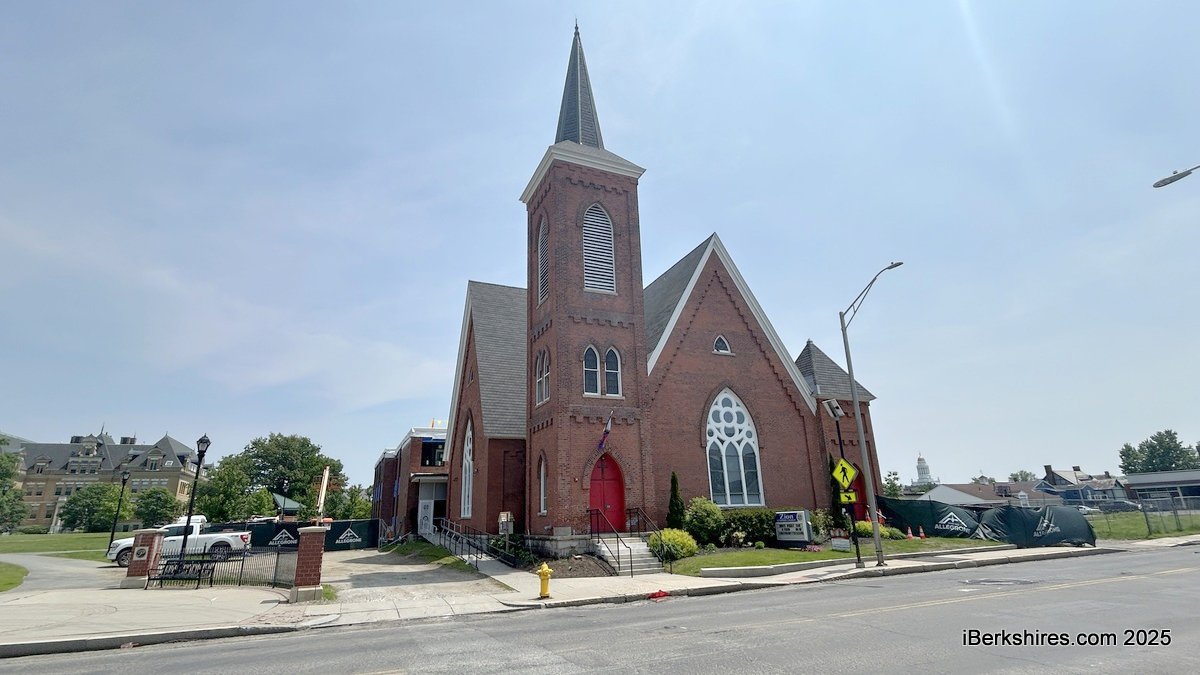
PITTSFIELD, Mass. — The housing resource center and supportive units at Zion Lutheran Church are nearly complete, and the operators will launch a fundraising campaign to support programmatic expenses.
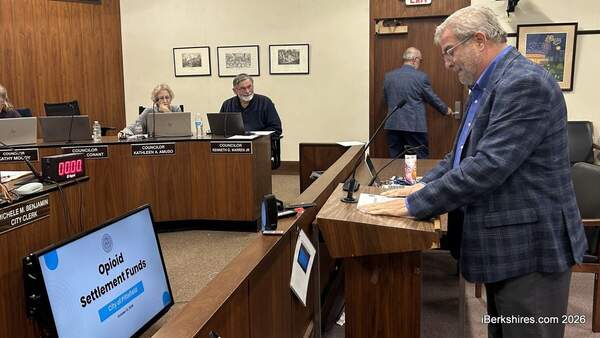
"We've made the decision to fundraise for the operating funds so the building is covered as far as the construction, 10-year lease, and the operating costs of the space. So we are really fundraising for the staff and some supplies," Hearthway's President and CEO, Eileen Peltier, told the Homelessness Advisory Committee on Wednesday.
"… We are launching a fundraising campaign for the first. We made the decision to call it The First, and we are looking to raise about $300,000 a year. Our goal for this initial fundraising campaign is $600,000 to cover two years of operations."
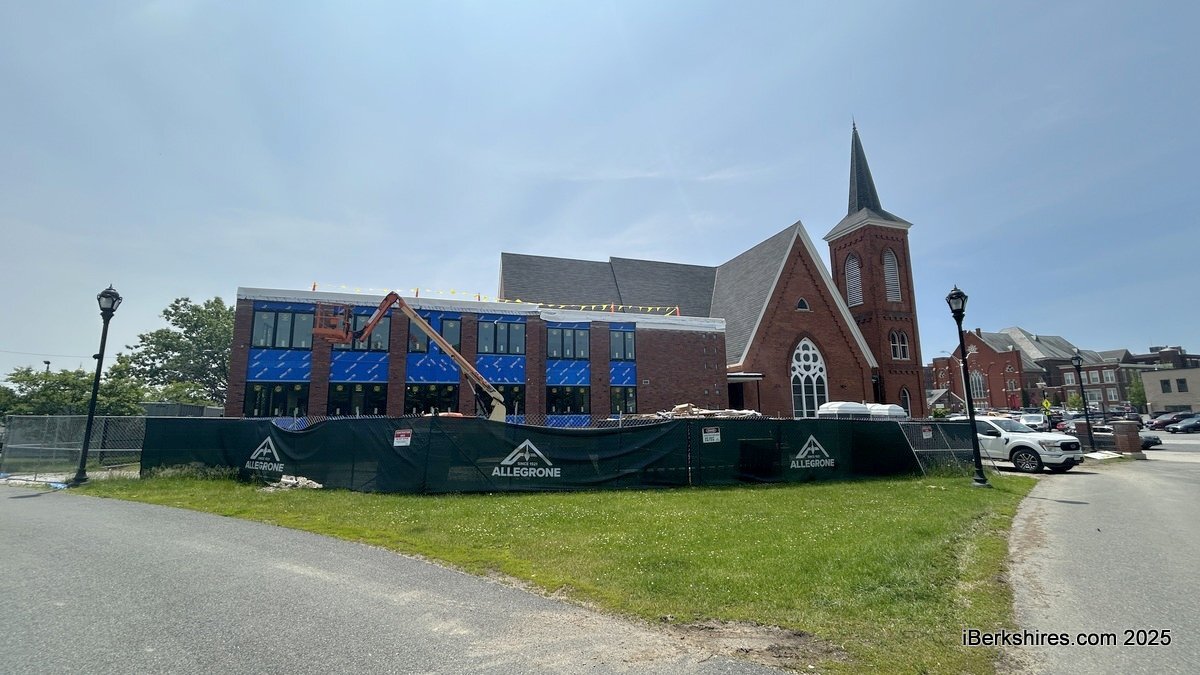
Last year, Hearthway, formerly Berkshire Housing Development Corp., broke ground on 37 new units of permanent supportive housing, 28 on vacant land on West Housatonic Street and nine at Zion Lutheran Church on First Street. The project includes an 8,000-square-foot housing resource center in the church's basement, funded by the American Rescue Plan Act, with bathrooms, showers, laundry, offices for service providers to meet with clients, and more.
The First Street apartments will be leased in the fall.
"The vision is less to be a clinical, bureaucratic, heavy place where cases are managed, and more a place where community is built, where there is belonging that is felt, where there are relationships that are formed," the Rev. Joel Bergeland said.
"We know that these are not cases we are talking about, these are people. These are our neighbors, who, if I were in their shoes, I would want the same thing. A clean, safe place to go, where I knew that I could feel welcome, where I was given the freedom to make decisions about how to get my own needs met."
This is called the "Living Room" model, or a community-based respite center. Peltier explained that this fit "really well" with what they were hearing from people experiencing homelessness, who expressed a desire to do things like cook in a kitchen.
"I mean, how lovely it is to be in your home and make your own cup of tea?" she said.
From the get-go, they wanted to make sure that it was a flexible space, rather than greeting people at the door and asking questions about their situation.
"We're working hard to not have the ongoing funding tied to a lot of questions. We want people to come through the door and feel a sense of community. Maybe all they do is have their basic needs met, and that is a huge thing for many people. So this is not come in and we will, you know, tell you how to fix your life and give you 57 forms to fill out," Peltier said, adding that they will connect people with resources if they desire so.
"If you have been out all night walking the streets of Pittsfield, you may want to sit in a comfortable chair and rest for a little bit. That is perfectly welcomed. So we're essentially meeting people where they're at and taking the lead from the individuals who will be accessing the space."
The approximately $16 million project also offers tenants a variety of services from partner organizations such as The Brien Center and ServiceNet. Erin Forbush, director of shelter and housing at ServiceNet, reported that there are likely more than 100 people on the waitlist for one of the units.
The goal is to create an advisory body of individuals using the space to help guide its operations, a kind of "Design it while we're flying it" approach. They hope to be open seven days a week from about 8 a.m. to 4 p.m., with some flexibility based on need and funding.
The lease-up will happen through a coordinated entry process that draws from a list of individuals experiencing homelessness.
"We also are intending to provide opportunities for individuals living in the community to make a donation and or eventually participate in being in the space, creating community, so there will be flyers with bar codes around town," Peltier explained.
"…We all drive by individuals who are struggling regularly, or interact with individuals in Pittsfield, this would be an opportunity to make a contribution and a donation to a program that we know is impactful and helping."
She reported that there will be an opportunity for locals to volunteer at the space and help create community.
"We're all human. We're all the same in many ways, and I think this is a real, concrete way to make a positive impact in our communities," she said. "In a time where it feels really hard to know what to do, this feels like a really good thing to do."
Several years ago, the committee recommended Pittsfield adopts a facility similar to Behavioral Health Network's "The Living Room" in Springfield; improving access to services; adding centrally located public restrooms and lockers; and providing transitional stabilization services and comprehensive bilingual services.
"I also think it's important to note that this living room model was adopted by this homeless committee and sent as a recommendation to the mayor," Chair Kim Borden said.
"…We have very high hopes for this program. This will also give us more of an opportunity, I'd like to say, to address some of the concerns that were raised today about being able to hear directly from the folks who are experiencing housing insecurity and homelessness."
Tags: homeless, shelter,