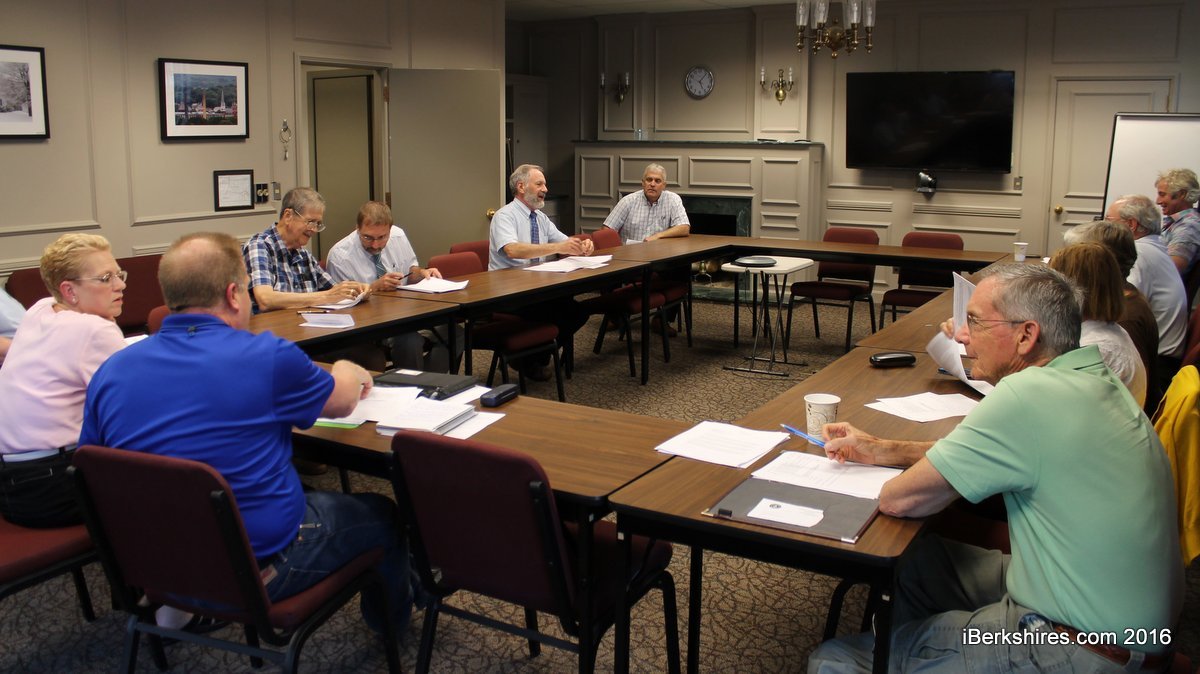
BRPC Worried About Funding For Local Technical Assistance Program
PITTSFIELD, Mass. — BRPC is starting to worry about the fate of a $2.8 million state budget line used to help cities and towns with various projects.
Berkshire Regional Planning Commission is supposed to be in line to receive some $200,000 — or the equivalent of nearly two full-time staff members — from the state to run the District Local Technical Assistance Program.
The program allows BRPC experts to help more than a dozen Berkshire County towns each year with projects ranging from updating zoning laws, to master planning, with Green Communities designation, solar bylaws, and mappings among the array of options. The money is also used to help multiple towns in the Rest of the River case and with helping towns organize around planning for the impacts of the proposed natural gas pipeline.
"It's been a measurable help to getting a lot of things done in a lot of communities," Executive Director Nathaniel Karns said.
Gov. Charlie Baker already vetoed the budget line but that was overridden by the Legislature. While the money is in the budget, releasing the money is still in the hands of the administration. Further, in the past, the program was a victim of being cut mid-year as part of so-called 9C budget cuts.
As of Thursday, that money hadn't been released and as the fall comes in, Karns said, "no news is bad news." Karns said if the money isn't released by November, lining up projects becomes increasingly difficult.
"You always want the process to be moving forward," Karns said.
The executive director says each year between 15 and 18 projects are completed and 90 percent of all of the technical assistance given to towns by the organization comes from those funds.
"Otherwise, we are dealing with specific grants for specific purposes that are done on a one-off basis," Karns said.
BRPC Executive Committee member James Mullen said New Marlborough has utilized the program many times, and he doesn't know what the town would do without it.
"It is absolutely essential," Mullen said.
The delay in the release of the funds hasn't jeopardized anything yet, Karns said, because the work period typically runs from January to December, so there are still a few months before the money is needed. Nonetheless, Karns is hoping the leaders in towns that have benefited from the program make that known to the administration.
"It almost requires a customized message to each select board and town that has been a beneficiary," Karns said.
Karns added that the work overlaps with the Baker administration's Community Compact program. He said on multiple occasions, DLTA funds were used to help towns comply with their agreement. In other cases, the work is approved for that program but hasn't been specifically identified in the individual agreements.
"There are many of the activities that would be supported if communities put them down as something they wanted to do as part of their compacts," Karns said. "About one-third of our DLTA activates are supporting things that are part of the community compact commitments."
BRPC has been running the program for seven years.
"It is a pretty important contract for us," said Assistant Director Thomas Matuszko.
Tags: BRPC, municipal project,