Pittsfield School Officials Approve Further Budget Cuts
PITTSFIELD, Mass. — The proposed school budget has been cut again, raising the number of layoffs to 75.6 full-time equivalent positions. However, the teachers' union is foregoing some $300,000 worth of raises to save some of those jobs.
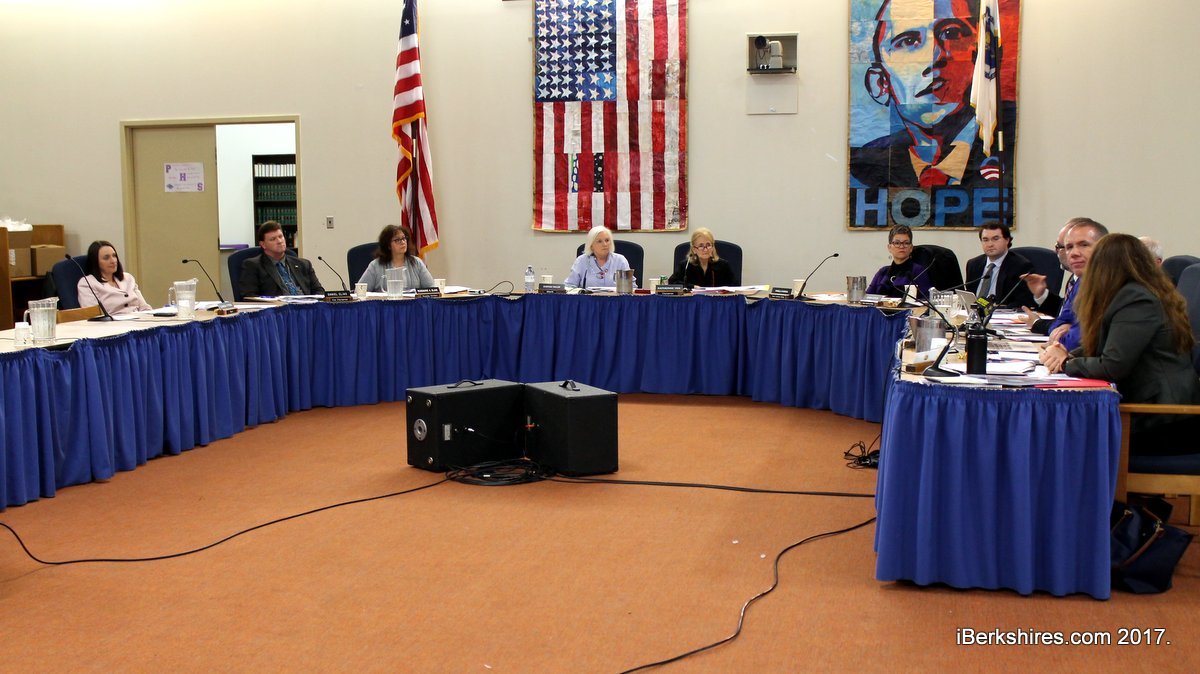
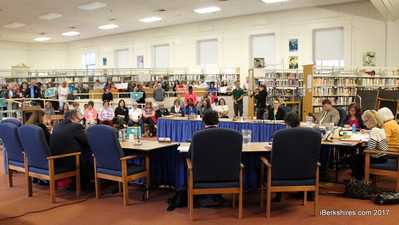
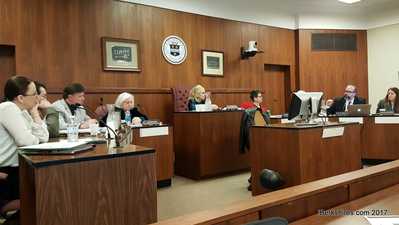
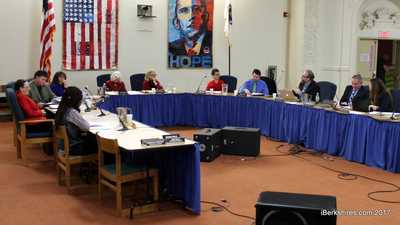
On Wednesday, the School Committee adopted a proposed budget of $60,686,338, with the city's share of that being $60,066,338. That is $250,000 less than what was presented at the budget hearing two weeks ago.
"We understand we have to do this because we understand the situation we are in," Superintendent Jason McCandless said.
McCandless said two days after the public hearing on April 12, in a meeting with Mayor Linda Tyer and Director of Finance Matthew Kerwood, it was determined that level-funding the budget wasn't going to be enough. The city will be hitting the levy ceiling, a restriction on how much more property taxes can be raised, and city officials have to make the numbers work.
Tyer said on Wednesday that combined with all of the other department budgets, the $250,000 cut brings the city under the ceiling by just $31,000. Previously she had asked all departments to come in with a level-funded budget or one that is cut. McCandless had initially proposed a budget with a .9 percent increase and then pared it back to level.
With the request to cut even further, the school administrators decided not to fill the position of retiring Assistant Superintendent for College and Career Readiness Richard Brady for a savings of $55,000, change schedules to avoid having to hire a specialist in the elementary school to save $45,000 more, and reduced the line to replace curriculum - a line McCandless had stood a firm ground on for a long time - from $500,000 to $350,000.
"We can live with slowing down, we cannot live with stopped," McCandless said of reducing the curriculum line.
That brings the budget $250,000 under last year's, which is a .4 percent reduction. That budget means reducing 30.4 full-time equivalent teaching positions, 39.2 paraprofessionals, and six districtwide positions.
Around the same time Tyer and McCandless sought to find additional cuts, the United Educators of Pittsfield voted to delay taking step raises for half of the year in order to save teaching jobs. That results in a savings of about $300,000 that the union hoped would keep more teachers in the classroom.
"We approved to delay our step increases for next year in hopes to save some jobs," UEP President Brendan Sheran said. "We want to do this to save as many positions as we can for stability."
The union was unaware of the additional reductions McCandless was preparing when that vote was made and Sheran said he was surprised to learn Tuesday morning that additional cuts to the budget were proposed.
"I'm not thrilled with that. I hope we aren't the only department to go below [level]," Sheran said.
Sheran said that while the city's teachers rank 275 out of 330 districts in the state in salaries, lower than most, the fight shouldn't be between the union and city officials. He said the union understands the issues and solving those means taking the fight to the State House for additional resources.
The budget cuts aren't the desires of most, if not all, city officials but a necessity because of state law and what school officials say is a lack of state financial support.
"The state is not giving us enough to operate and it is not giving us any way to do something about it locally," McCandless said.
That $300,000 give-back from the union stays in the budget but is dispersed to more teachers to up the number of educators in classrooms. That will drop the overall job loss total to closer to 68.
McCandless said that decision by the union is unprecedented and was greatly appreciative.
"That is an example of our teachers' union doing what many not only in the union world but in the rest of the world would consider absolutely unthinkable," he said. "This was an extraordinary and somewhat unthinkable sacrifice."
The current contract gives teachers annual increases based on the level of state support. But, state support has been limited so that has been a quarter of a percent each year. The steps are based on qualifications, educational attainment, and years of service and are 3 percent each. Those essentially are the real pay increases that make a career in education possible, McCandless said. The superintendent said without those step increases, teachers would make about $38,000 a year for their entire career with hundreds of thousands of dollars worth of school loans.
"It is the only way to move up," McCandless said.
Because of the bold move, he said, "we owe it to our teachers" to give some more back to them. He further changed the budget after hearing about the move by the union to reduce the curriculum line even further, putting another $100,000 into retaining teachers and dropping that line to $250,000.
In summary, the budget is $250,000 less than last year and will lay off about 68 employees, though exactly which ones hasn't been determined yet, and works toward helping the city get a spending plan under the levy ceiling. The budget now goes to the City Council for final approval during its budget debates.
School Committee members lamented the necessity to cut jobs but ultimately only Cynthia Taylor voted against the budget.
"I could vote for the level-funded but going down .4 percent, I couldn't support that," Taylor said. "We have to give [the students] everything we can, every benefit of a doubt. It is the last place in a municipal budget we cut."
School Committee member Anthony Riello questioned the mayor about other budget lines as well. His hope is that the School Department isn't the only budget being reduced from last year.
"If we are all under the same mandate, then I can live with it," he said.
Tyer said every department is different and not all departments can cut the same amount or percentage. But, "you will see every department level funded or below level funded," Tyer said, adding, "We really had no choice to issue a mandate of level funding."
As the budget process unfolded and the level-funded numbers still didn't work, the mayor said she asked all department heads to work hard to find somewhere else to cut if possible.
Signs hang on doors and windows all through City Hall reading "we're in this together" and Tyer and the School Committee emphasized that point Wednesday.
An emotional School Committee member Pamela Farron said the decisions were not easy but she has confidence that the city will get through the difficult financial times. And nearly all of the committee members are looking to Boston to help fix it.
"Pittsfield is not going to solve all of these problems alone. We have to go beyond Pittsfield," Chairwoman Katherine Yon said.
The School Committee also adopted a resolution calling for changes to the state's foundation budget for education, which determines the level of state aid a city or town receives. Next week the mayor, superintendent, and other city staff will be presenting to the state House of Representative's Ways and Means Committee on the financial challenges the city faces.
"We are going to appeal to them for help," Tyer said.
Related Stories:
Tags: fiscal 2018, pittsfield_budget, school budget,