'Morningside Up' Sees Food To Revitalize Neighborhood
PITTSFIELD, Mass. — Food is a sustenance for the human body. It can also sustain an entire neighborhood.
That's what a group of community organizers in the Morningside area believe. The Morningside Up initiative came out of a $75,000 planning grant from the Kresge Foundation and those involved are now patiently waiting for the fall to see if another round of funding will take their plans and turn them into reality.
"We use food as a creative platform to revitalize a neighborhood," said Jess Vecchia, the director of the Alchemy Initiative, which managed the grant on behalf of the city alongside Morgan Ovitsky from Be Well Berkshires.
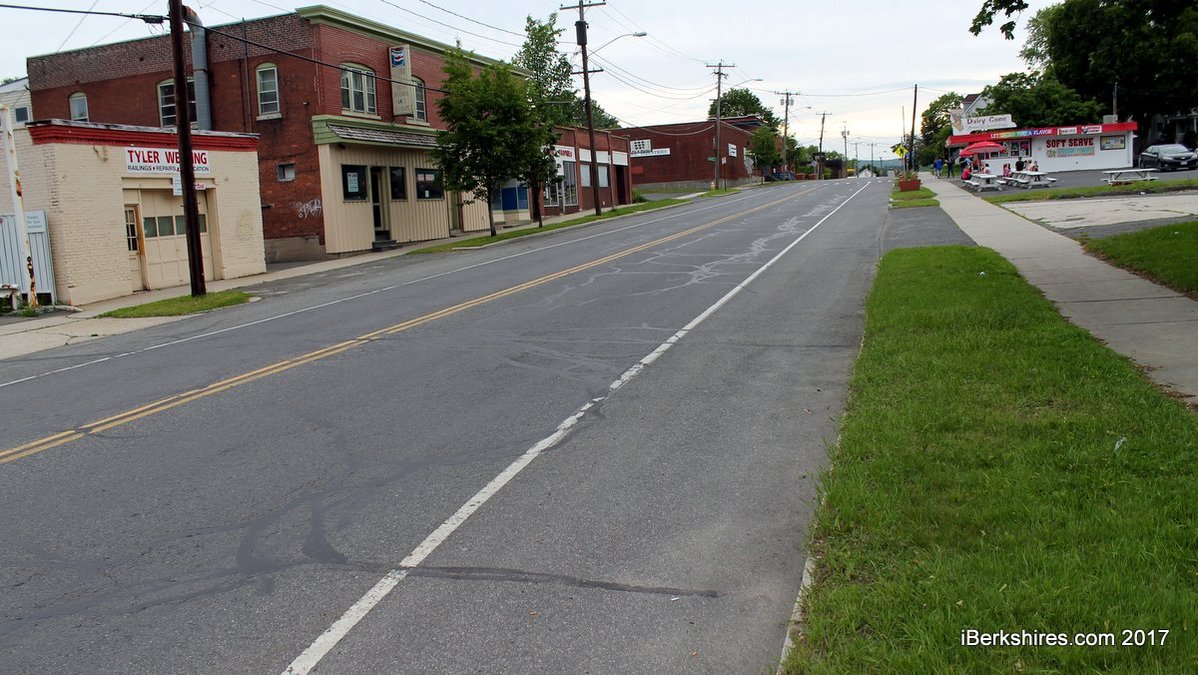
The planning efforts brought together an array of community organizations including Berkshire Children and Families, Berkshire Community College, Berkshire Earth Regenerators, Berkshire Dream Center, Be Well Berkshires, IS183 Art School, MassDevelopment, Morningside Community School, Shire City Sanctuary, Springside Park Conservancy, the City of Pittsfield, and Tyler Street Business Group.
What came about in a yearlong planning effort was an idea to mix workforce development, education, social service and business together in the food process from production to serving.
"We are envisioning a community-driven food system... People have become so distant from their source of food," Vecchia said.
It starts with production. Matt Lamb and Jay Allard run the property design and landscaping Berkshire Earth Regenerators. Lamb has been practicing permaculture for more than two decades and Allard has been woodworking and engineering for as long. In 2015, they teamed up to form the new company, which Lamb described as "beyond organic" landscaping and design.
At Springside Park, Berkshire Earth Regenerators have crafted out a plan to use an acre of land for a food forest. Lamb said the plantings include an array of fruit trees, vegetables, berries, root crops, and more. The forest would significantly boost the amount of food available.
"It should be producing tons, literally tons, of food," Allard said.
If the implementation grant is awarded, the two would prepare the land near the Springside House in the fall and then plant the first round of crops in the spring. Within months, the first harvests of food will be available. Within five years, all of the plantings will be be producing. The list of plantings was determined because "we want to get as many different species" as possible, creating almost like a supermarket array of fresh fruits and vegetables, they said.
The crops won't be in the traditional line like a garden but arranged much more like a forest. There'll be access throughout it, and it won't be closed off so the public can walk right through pick if they're in the area.
"There isn't a row. Everything is kind of interplanted with each other," Allard said.
Lamb said there is some maintenance work to get it up and running, but that calms down after a few years when the food forest matures. An additional bonus beyond the increased access to food is that it would be planted in a section of Springside Park to catch rainwater that currently flows downhill and overflows a part of the city's drainage system —alleviating the need for an irrigation system as well.
Lamb hopes it can lead into some community events such as a harvest festival in the future. And he envisions one day growing it to encompass as much as 10 acres of the 40 plus available in the park.
Where will all that food go?
Katelynn Miner founded the Berkshire Dream Center, a non-profit focused on its mission to "find a need and fill it, find a hurt and heal it." She quickly noticed a need to fill — food.
"There are no grocery stores. We know the struggle of some not having transportation and they have to walk to Price Rite on Dalton Avenue or Big Y," Miner said.
The group started up a food pantry, since the closest one was miles away, and was working with getting fresh food from the community gardens at the Rice Silk Mill. In September, the group purchased the city's first mobile food pantry — a box truck it fills with food and brings to nine different locations. When Miner found out about Vecchia's initiative, she jumped right on board.
"It was the perfect initiative for us to tackle food insecurity," Miner said.
With some of the grant money, Morningside Up was able to pay off what the dream center owed for the truck. In the future, the program hopes to purchase a larger truck with refrigeration to help provide more food and a greater diversity of options. The food grown from the food forest will help stock the pantry up.
A second thing the Berkshire Dream Center is looking at doing is creating a "dining with dignity" program. Instead of the typical soup kitchen for those who struggle economically, the program would create a restaurant feel, with a menu and servers.
"Everybody should have dignity when served a meal," Vecchia said.
But it isn't just helping those in need, it will be a workforce training program. Miner said she's had conversations with Berkshire Community College to bring in culinary students to run the kitchen, and the servers and waitstaff from the community will be those looking for experience to eventually move into jobs in the hospitality industry.
"We hope this will help them get the skills that they need, and then get them into jobs," Miner said. "We know a lot of people who are looking for jobs but don't have the experience companies are looking for."
That part will require a renovation to the downstairs kitchen at the center. Once brought up to code, it will become a commercial kitchen for businesses, Morningside Community School, and community organizations to rent out to make products.
"We want it to be a community commercial kitchen," Miner said.
While Miner waits for the grant, the Berkshire Dream Center is fundraising and looking to make repairs to its current facility. Miner hopes those will be done by the late summer and then focus can switch to restoring the kitchen.
The commercial kitchen was one of the things that came out of workshops and meetings with businesses and potential businesses. Morningside Up partnered with the Massachusetts Small Business Development Center and ran workshops for residents to discuss business ideas. That engagement is hoped to trigger the development of new restaurants — which can get supplies from the food forest and community gardens, too — and other food-related businesses.
"It was a great opportunity for us to hear what businesses in the community wanted to see," Ovitsky said.
That's where the commercial kitchen and other ideas had formed. Other ideas included waste disposal and recycling businesses, and also brought up ways on how to use recyclables as art to spruce up the neighborhood.
That input was coupled with months of research put in by students from IS183 Art School. The project created a Youth Action Research Team to help conduct the research and study. The students were not only learning from the experience but were paid for it and can add it to their job experience.
"They went out into the community and surveyed the Morningside residents," Vecchia said.
The group also organized pop-up dinners bringing local chefs to Morningside.
The community advocates have applied for $200,000 more to implement the plan but word on whether get it is still months away. But if they do get it, they see it as a way to raise Morningside Up.
"As people have more connections to the food system, it is empowering," Allard said.
Tags: agriculture, community development, food , small business, Springside Park,