Williamstown Artist Creates Replica of Roman Sculpture Panel
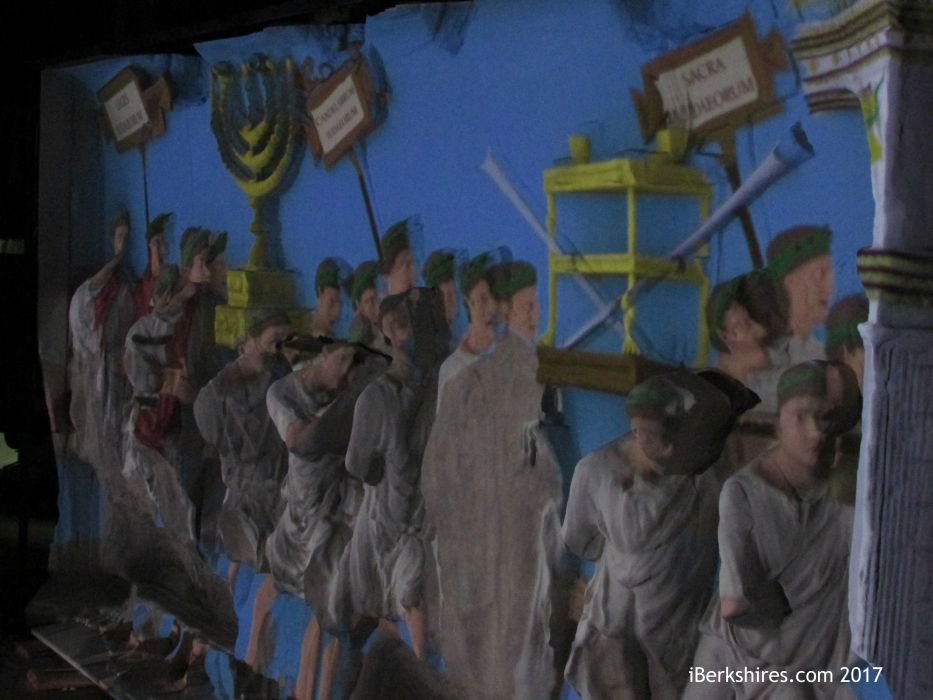
WILLIAMSTOWN, Mass. — Technology from the 21st century has brought a piece of artwork from the first century back to life.
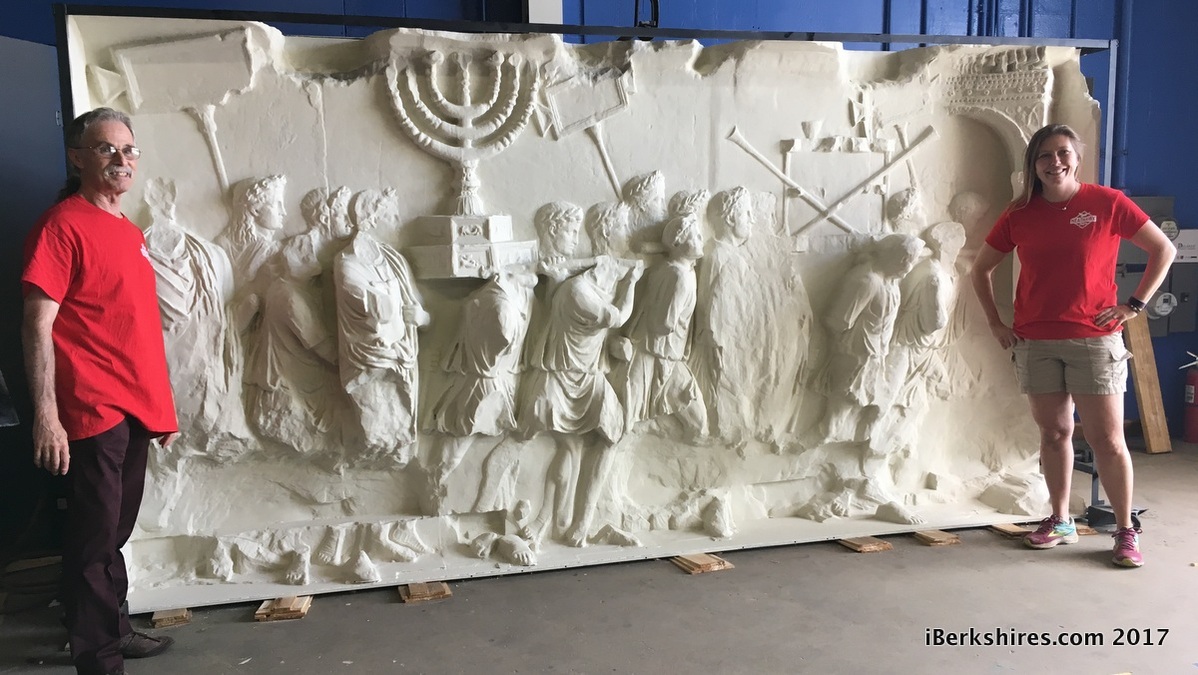
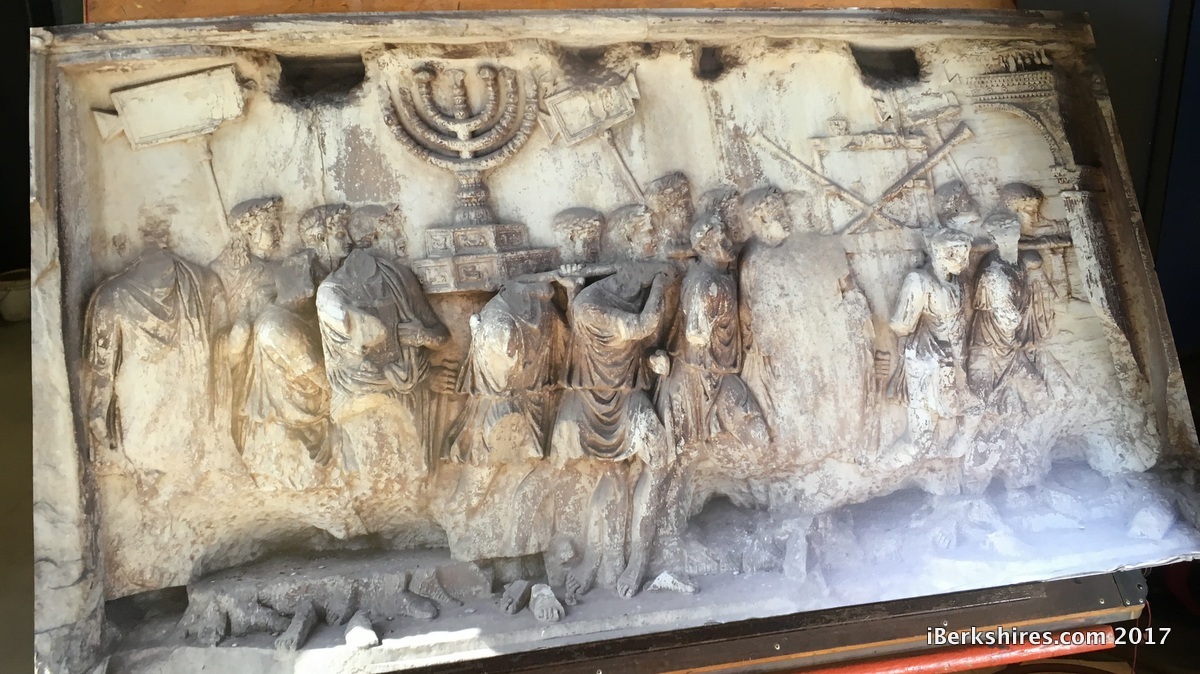
Using a CNC (Computer Numeric Control) machine, Williamstown artist Lindsay Neathawk recently completed a replica of the "Spoils" panel of the Arch of Titus. The arch is located in Rome and was constructed around the year 82 by the Emperor Domitian shortly after the death of his older brother Titus, to commemorate Titus' victories, including the Siege of Jerusalem in the year 70.
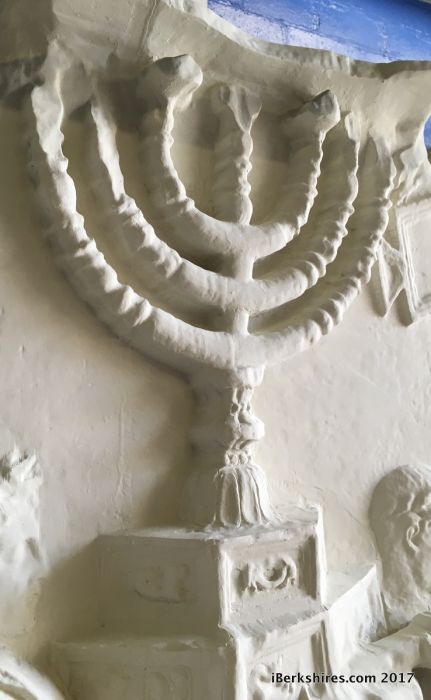
The "Spoils" panel is on the south side of the arch and depicts Roman soldiers carrying items taken from the Jerusalem Temple, including the temple menorah, trumpets and sacred cups. On the north side of the arch is another panel depicting the arch itself, through which the soldiers would pass.
Neathawk's replica was done in conjunction with Learning Sites, a business run by her Williamstown neighbor, Donald Sanders. Learning Sites is a company that digitally reconstructs the ancient world for interactive education and research; that company was approached by the Yeshiva University Museum in New York City for help with an exhibit on the Arch of Titus it was planning to open this September.
Sanders said he was working with Yeshiva on tasks like colorizing images of the arch, and in the course of that work proposed a three-dimensional replica of the panel. Once the museum said yes, he knew right where to turn: Neathawk, who owns Neathawk Designs on North Hoosac Street. After working up estimates and crunching the numbers, she agreed.
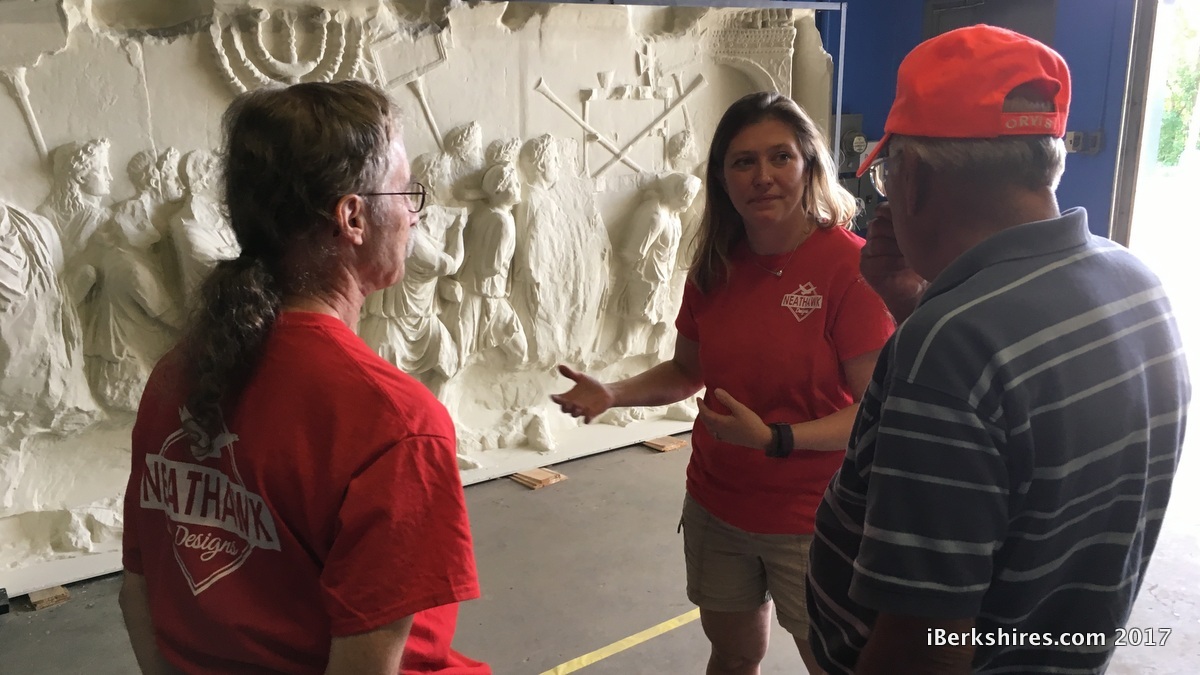
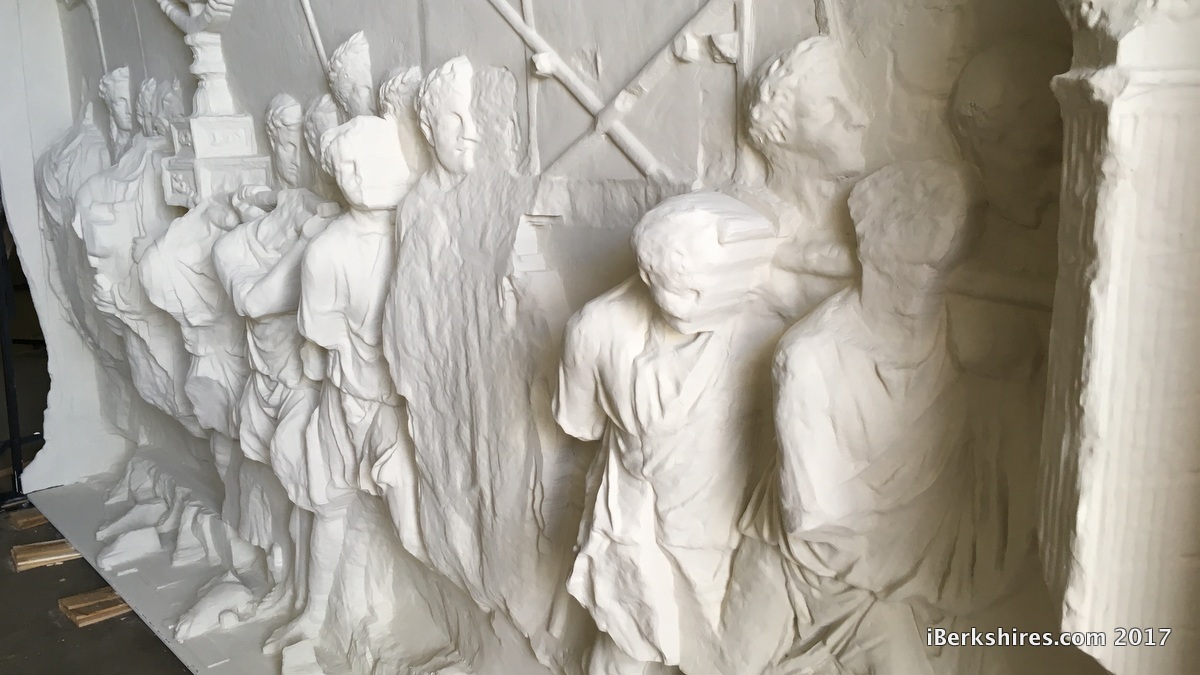
On Sunday, Neathawk held an open house to show off the completed panel — which stands 6 feet tall and weighs between 900 and 1,000 pounds — before movers came Monday to transport it to New York City.
"I had every emotion I could have had," Neathawk said about the project, which consumed 10 to 12 hours a day since she started it at 10 a.m. July 10 and finished it on Aug. 17 — more than 600 hours overall. "I'm excited. I can't believe I did this."
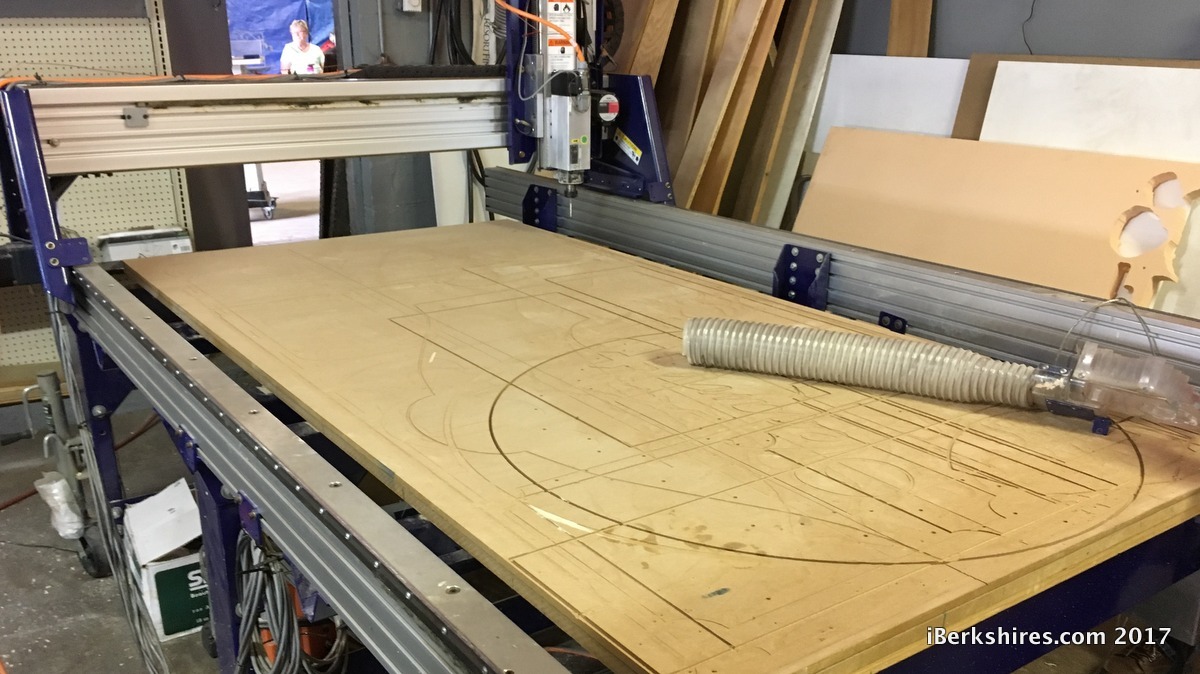
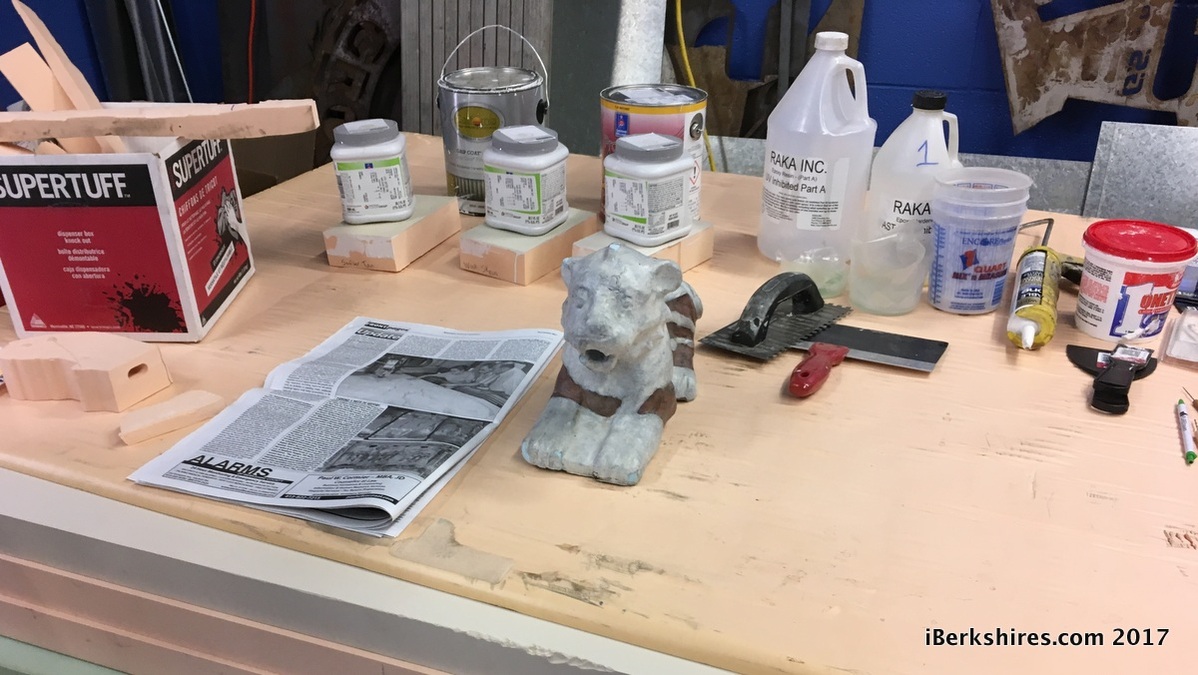
To create the replica, she converted scans of the panel into CAD files, which she then fed into the CNC machine. The CNC machine, however, is not three-dimensional. So Neathawk printed "slices" of the replica on 6-foot by 8-foot by two-inch-thick pieces of high-density urethane foam, which she glued together to create a three-dimensional piece. All together, she used 26 sheets of the foam.
The machine did 90 percent of the carving, with Neathawk doing the rest and piecing it together.
"I had to put it together like a puzzle," she said, telling a guest that the project had taken "a lot of sweat, tears and blood. A lot of tears."
But she was all smiles Sunday at the open house, as she mingled with guests to talk about the project. Sanders even brought a projector to give a glimpse of a part of the exhibit he is working on: not just colorizing the original sculpture but also re-creating the pieces missing from the relief, including legs and heads that have worn off with age. The program he uses beams the completed colored image onto the sculpture itself, creating a simulation of what the original could have looked like all those centuries ago.
"I'm excited," Neathawk said, and Sanders concurred. "It's amazing," he said.
Neither are sure what will happen to the replica after the Yeshiva exhibit closes in January, but they hope it will travel so more people can see it, maybe even back to the homeland.
"The hope is to maybe make it back to Israel," said Neathawk, who said the menorah depicted in the relief has never been accounted for. "They're still searching for it. It's pretty cool."
Finding ancient artifacts, and preserving history, are critical to the future, said Sanders, whose business is the merging of his two professions: architecture and archaeology. His website states as much: "Among our fundamental early concerns were the on-going destruction and loss of cultural patrimony taking place both in materials housed in collections and in those remaining at archaeological sites around the world."
On Sunday, Sanders echoed those concerns as he surveyed the final version of the relief.
"We're losing so much cultural heritage," he said, attributing the loss to wars, climate change and other reasons. "Stuff has got to be saved as quickly as we can."
Tags: artwork, historic structure, replica,