Berkshires Weigh In On Marijuana Regulations
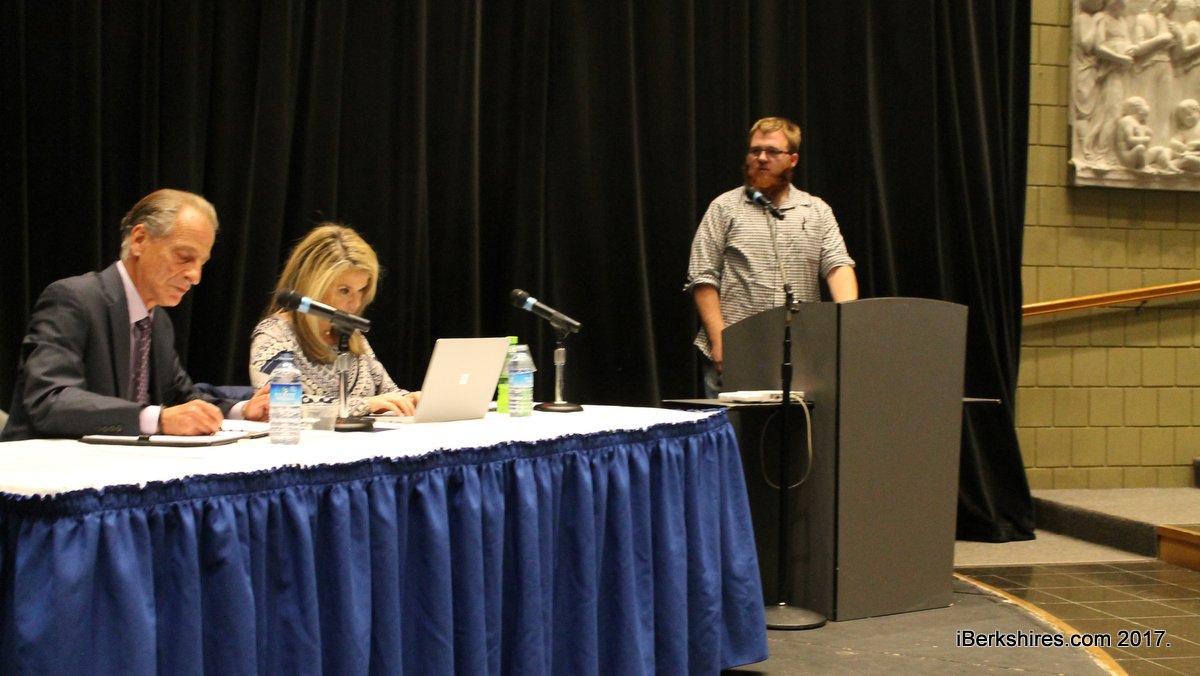
Nicholas Robinson said Western Massachusetts is rural in nature and should be given the opportunity to capitalize on the agricultural aspect of the industry.
That means they don't want the licensing fees and requirements to be set a such a level that only big businesses from out of state can qualify. That means local farmers should be able to grow it outdoors and the plant isn't forced into an industrial warehouse. That means allowing social clubs, delivery services, and various business models. And that means not taxing too high that the prices are too expensive for the customers.
But only too a point. There also needs to be protections to ensure that the product remains only in the hands of adults and doesn't have a negative effect on the area youth.
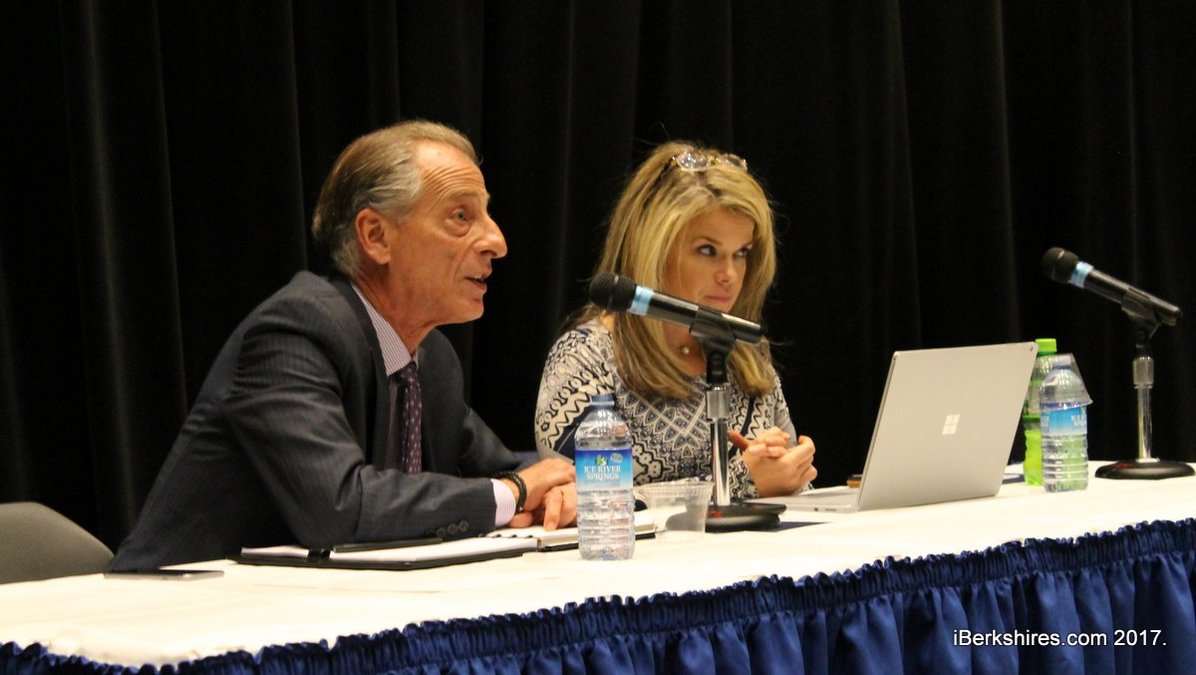
That's the message dozens of Berkshire residents delivered to the Cannabis Control Commission on Friday.
The commission is tasked with crafting regulations for the recreational marijuana industry. Two members of the commission came to Berkshire Community College on part of a listening tour to gather input from residents before the group digs into the details.
"We're just here to listen. We will both be taking notes in addition to the taping. There is going to be a second set of public sessions that will occur in January, and those will be public hearings," said Chairman Stephen Hoffman. "Once the draft regulations, we will then go around the state and have public hearings, where we give everyone an opportunity to comment on the draft."
Recreational marijuana was approved at the ballot in November. In July commercial sales of the product will be legal by licensed retailers and legal to be commercially grown by licensed cultivators. As the exact regulations are being crafted, the Berkshires want to make sure farmers have a shot at getting into the industry.
"We are rural and agricultural. In Western Massachusetts we voted at a higher percentage to allow this new industry and provide new economic development opportunities for ourselves and our children," Nicholas Robinson said. "There should be more cultivation and more manufacturing west of Worcester and on the Cape. We should allow non-brick and mortar entities and delivery services."
Robinson advocated for laws to restrict non-organic pesticides, to keep capital requirements low to allow small businesses a chance at the licenses, and to implement abuse prevention programs for the area's adolescents.
The area's adolescents is a concern of Wendy Penner. Penner has worked with the Northern Berkshire Community Coalition for years on substance abuse prevention. She said more marijuana available could lead to more drug abuse among the youth.
"Youth who use alcohol beginning the age of 14, 40 percent of those go on to develop alcoholism. As we rollout and increase the availability of marijuana in the commonwealth, it is incumbent upon us to consider the impact of early use and do everything we can."
She asked the commission to "consider the public health impacts." She said many of those who get addicted to opioids start with marijuana.
"It puts our youth at an increased risk of addiction while their brains are still developing. We hear from our local treatment community, they are seeing more youth using marijuana daily and multiple times throughout the date. Our youth have a low perception of harm for marijuana use," Penner said.
With the tax revenue from the sales of marijuana, Penner wants more funding for prevention and treatment programs, wants funding to collect health data to monitor any ill effects from a more readily accessible product, and funding to enforce restrictions on the sale of minors.
She also wants local communities to have that kind of control too. She would like local licensing authorities to have the ability to run compliance checks and punish companies that break laws intended to keep the product away from minors.
Donna Norman, of Otis, however, said she hasn't had the best of luck when it comes to local control. She wants to open a dispensary but said she is getting pushback from the Board of Selectmen in multiple towns, whom she claims is trying to essentially use zoning bylaws to prevent marijuana businesses.
"They push you to the adult, industrial entertainment zone. A lot of that land is not buildable," Norman said. "Cannabis is here, the public wants it, and the Selectmen, when they are coming up with the zoning, they are pushing it so it won't be a viable business."
She hopes the state can regulate zoning so that town leaders can't push out the business because they don't like what it sells.
Michael Lavery also knows how troublesome small town Board of Selectmen can be for a marijuana business. But he sees it from the other side. He is a Selectman in the town of Becket who has been pushing for a dispensary in his town.
"It is very difficult to bring medical marijuana dispensary on board if the other select persons are not willing and able," Lavery said.
Lavery said many on the local levels hold firm to a stigma against marijuana and marijuana users. He called on the state to provide guidance that is based on facts, not fear.
Julia Germaine has experienced that testy relationship between those who are for and against as the chief operating officer of Temescal, a licensed medical marijuana company. But, being in the business, she does know that it isn't a fight between local control and the business. Both sides are best served to work alongside each other.
"Our experiences starting in Massachusetts and operating medical marijuana in other states have affirmed a longstanding belief that our company must respond to and defer to the wants and needs of our communities in order to be successful," Germaine said.
Her insights in crafting the law would be to keep label requirements to a minimum so the message doesn't get buried. And she wants the licensing, the local communities, and the businesses to be on the same page so guidance is needed.
She wants law enforcement to have a better understanding of the rights of both medical marijuana patients and users - another part of the stigma she is hoping to break.
"We have to replace moral objections with mutual respect, and understanding what is legal and what is not," Germaine said.
Germaine also wants to preserve the separation between medical companies and recreational companies.
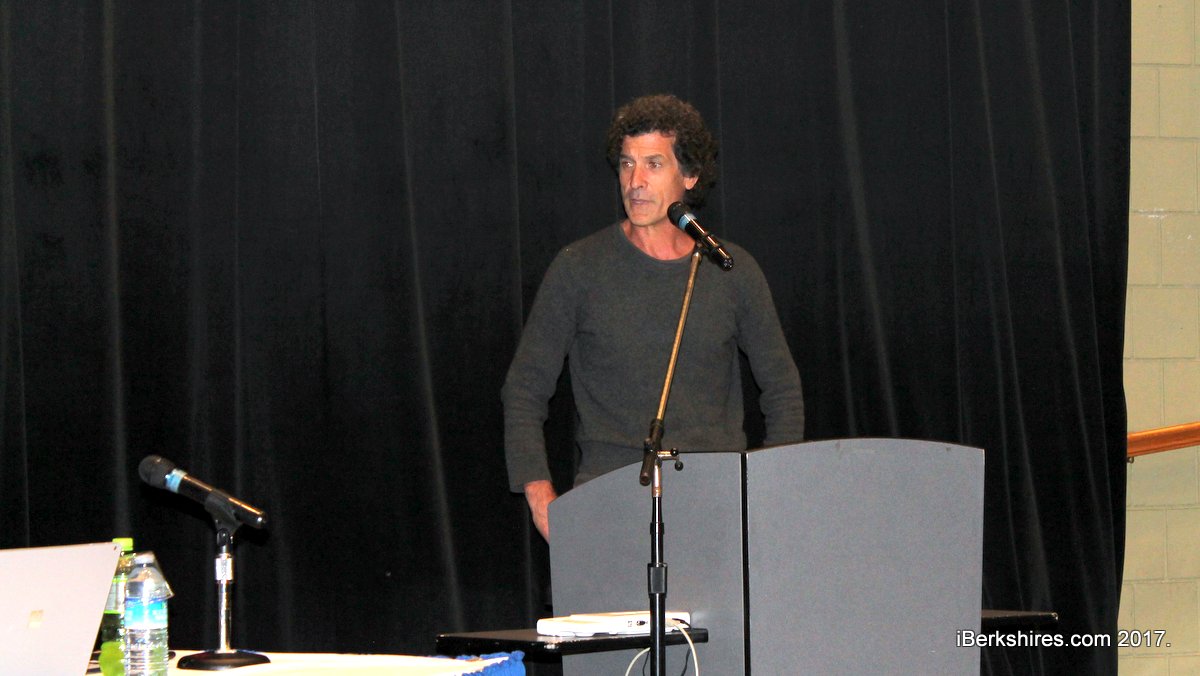
Ted Dobson is an organic farmer and believes the local community would prefer to purchase their products from a local farmer.
"Big business is a good thing in some instances. However, there is certainly a need for small businesses as well. How the medical rolled out, it was exclusively big business, big business from other states," Vincelette said.
He also would like to see social clubs allowed.
"I believe we should have a place outside of our home where, like people who drink alcohol, responsible cannabis users can gather, consume, and share," Vincelette said.
Many had shared various sectors of the business but farming seemed to have the biggest focus at Friday's hearing.
Lawrence Davis Hollander is a biologist and he said the plant will be best grown by farmers and not in an industrial setting as the proposed law is currently written.
"Being a plant, cannabis does best in natural conditions. It is not an industrial product and does not need to be grown in that manner," he said. "Massachusetts farmers know how to grow a plant, have long histories with their communities, know people who have been here a long time."
He hopes the regulations don't put local farmers at a disadvantage. State Sen. Adam Hinds has also voiced concerns about that as well. He wants many farmers in his rural district to be able to get into cultivating not only marijuana but hemp and the products that go with that.
But Hinds has also worked in the youth substance abuse field and wants to make sure the area children aren't harmed by the new industry.
"There are certain elements worth keeping an eye on relating to youth development and that's certainly to be noted," Hinds said.
Kat Toomey, coordinator of positive youth development for the Berkshire United Way, wants the regulations to restrict the packaging and marketing to youth and wants restrictions on how close a dispensary can be to places children frequent.
Multiple speakers, including a couple who are for marijuana, advocated for restrictions on edibles, saying they are attractive to children. They hope to regulate packaging and marketing so that the product is clearly for adults.
State Rep. Tricia Farley-Bouvier said the commission doesn't have an enviable task because the new industry will impact multiple aspects of a community. But she wants to make sure the Berkshires are thought of with every regulation the commission considers.
"I ask you to take into account regional differences. We are different here in the Berkshires. We are looking for economic development. We are looking for good jobs. And we, like everywhere else in the commonwealth, want to keep our kids, our youth, all of our citizens safe," Farley-Bouvier said.