Letter: Williamstown Shouldn't Rush Zoning Changes

Letter to the EditorPrint Story | Email Story

To the Editor:

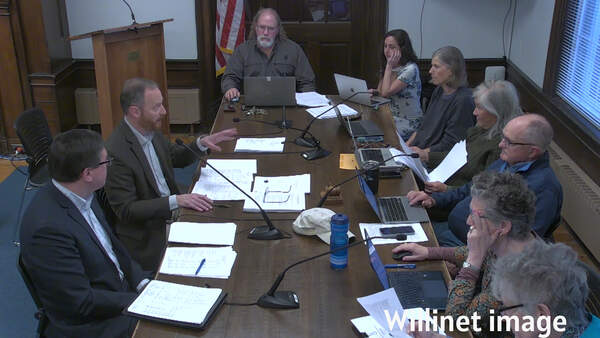
To Members of the Select Board and the Planning Board of Williamstown,

I have been a resident of Williamstown since 1971 and the owner of residential property in town. I am concerned about the process going through your committees to consider zoning changes in this town.

The process is rushing to put these changes in the next warrant articles, to be voted on in the next town meeting. This is unfair to town residents, who need more time to learn about and consider these proposed changes — few residents are even aware of their existence.


Most importantly, the town has hired a consultant for a new comprehensive plan for the town and Berkshire Regional Planning Commission is in the process of conducting a housing needs assessment for Berkshire County. Until these two reports have been completed, it makes no sense to ask us to vote on changes in zoning ordinances.

Thank you for your vigilance in ensuring that we voters get all the information and consultation we need to vote responsibly on proposed zoning changes in Williamstown.

Sincerely,

Tela Zasloff
Williamstown, Mass.


Tags: zoning,   

If you would like to contribute information on this article, contact us at info@iberkshires.com.

Williamstown Finance Committee Finalizes Fiscal Year 2027 Budget Proposal

By Stephen DravisiBerkshires Staff
WILLIAMSTOWN, Mass. — The tax bill of a median-priced single family home will go up by 8.45 percent in the year that begins July 1 under a spending plan approved by the Finance Committee on Wednesday night.
 
After more than a month of going through all proposed spending by the town and public schools and searching for places to trim the budget and adjust revenue estimates, the Fin Comm voted to send a series of fiscal articles to the May 19 annual town meeting for approval.
 
The panel also discussed how to appeal to town meeting members to reverse what Fin Comm members long have described as an anti-growth sentiment in town that keeps the tax base from expanding.
 
New growth in the tax base is generated by new construction or improvements to property that raise its value. A lack of new growth (the town projects 15 percent less revenue from new growth in fiscal year 2027 than it had in FY26) means that increased spending falls more heavily on current taxpayers.
 
The two largest spending articles on the draft warrant for the May meeting are the appropriations for general government spending and the assessment from the Mount Greylock Regional School District.
 
The former, which includes the Department of Public Works, the Williamstown Police and town hall staffing, is up by just 2.5 percent from the current fiscal year to FY27 — from $10.6 million to $10.9 million.
 
The latter, which pays for Williamstown Elementary School and the town's share of the middle-high school, is up 13.7 percent, from $14.8 million to $16.8 million.
 
View Full Story

More Williamstown Stories