Pittsfield School Panel Supports 'Culture & Community' Course
PITTSFIELD, Mass. — Pittsfield High School educators would like to offer a pilot course that covers diverse life experiences, and on Wednesday the curriculum subcommittee supported "Culture and Community."
The one-semester course is designed to provide students with language and skills to understand their own identity and the identities of others in their community, communicate effectively with diverse populations, understand privilege and bias, and take action to change discriminatory practices.
"What a gift to our students," Member Vicky Smith said.
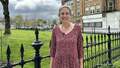
Social studies teacher Emily Day explained that this was suggested by a student last year who wished that more people at PHS understood his background as a student of a lower socio-economic level and how it impacted his school experience.
"I'm using the social justice standards created by the organization Learning for Justice, used to be known as Teaching Tolerance," she explained. "And they have four domains that they work on: identity, diversity, justice, and action."
After exploring their own and others' identities, students will engage in a real-world justice and action project to facilitate change in their school or larger community.
Day said that another inspiration for the course was data that showed a lot of teachers wishing they had better skills with holding difficult conversations in the classroom and creating a safe space to have them.
It will include evaluations, written reflections, class discussions, research, presentations to peers, interviews, and the civics-oriented project.
There are no Department of Elementary and Secondary Education (DESE) standards for this class but it fits under the social studies framework.
"I think it is extremely valuable, especially in a community like Pittsfield, to have students explore what their actual community consists of," member Alison McGee said. "We spend a lot of time teaching students about the world, about the United States, and I've worked with many students who have not traveled outside of this area so really, truly understanding this area and being able to effective within it is really important."
She also loved that it addressed items that have come up in the equity audit and that the idea came from a student.
"I think this is great," Smith said to Day. "Knowing you and your background, not just with the (diversity, equity, and inclusion) group but also with the NAACP. Not everyone could do this."
Chair Sarah Hathaway, while in favor of the course, said that she wanted to make sure that the substance of the course also met DESE standards.
She also suggested that the class look into a monument on Elm Street that honors Henry Laurens Dawes, a controversial politician.
"It was paid for by Senator Dawes' daughter, and it has held a place of honor on a public street in Pittsfield for I think over a century," she said. "And I think we really need to question whether we want to have a public monument for Senator Dawes."
The subcommittee also approved a middle school illustrative math pilot, which is similar to a pilot that is being done in elementary schools.
Tags: Pittsfield Public Schools,