Pittsfield Looks to Amending Cannabis Regulations
PITTSFIELD, Mass. — After the state Cannabis Control Commission made changes to permitting, the city has proposed a new ordinance to address equity requirements and allow the mayor to set policy regarding host community agreements.
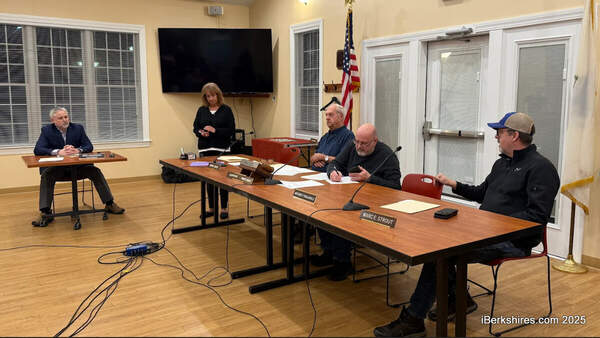
The Community Development Board on Tuesday voted to become the petitioner for the document, moving it forward to the City Council.
"What we're trying to do here is take this language regarding a cap out of the zoning. The state and the Cannabis Commission have recently adopted new legislation and regulations regarding a number of items and one of those items includes host community agreements, it also includes equity plans to be produced by the municipality," Community Development & Housing Program Manager Nate Joyner explained.
"So as part of our response to the new regulations will be adopting a new ordinance that we will be putting forward to the City Council in the near future that will kind of formalize the city's authority regarding host community agreements and meeting the statutory requirements for equity plans."
This eliminates the 35 retail cannabis store cap and gives the mayor the authority to determine the number of establishments allowed.
"To kind of tidy things up we're going to take this particular language out of the zoning ordinance so that it's not so set in stone and it doesn't conflict with whatever policies come out in the future," Joyner added.
The existing zoning requirements were established in 2017 and, last year, the CCC approved changes to the state's adult and medical use regulations including policies that implement the agency's oversight of host community agreements, new equity requirements, and suitability reform.
Starting no later than March, HCAs must be "reasonable," meaning that conditions can be required under local regulations, necessary for public health, and imposed on non-cannabis businesses. The new regulations also address impact fees, stipulating that the host community cannot collect them if the license is held for more than nine years.
"The way the process works now is one of these entities in order to get a license from the state to operate needs to have a host community agreement in place and the way that's set up is that's kind of the sole discretion of the mayor's office. They get to set the policy on who gets a host community agreement and basically, they're empowered to set policy," said Joyner.
"So what we're just trying to do with this new ordinance we'd be putting forward is again, formalizing that to identify the mayor has the authority to negotiate the number of host community agreements that they would like to enter."
He clarified that this zoning language is specific to retail uses.
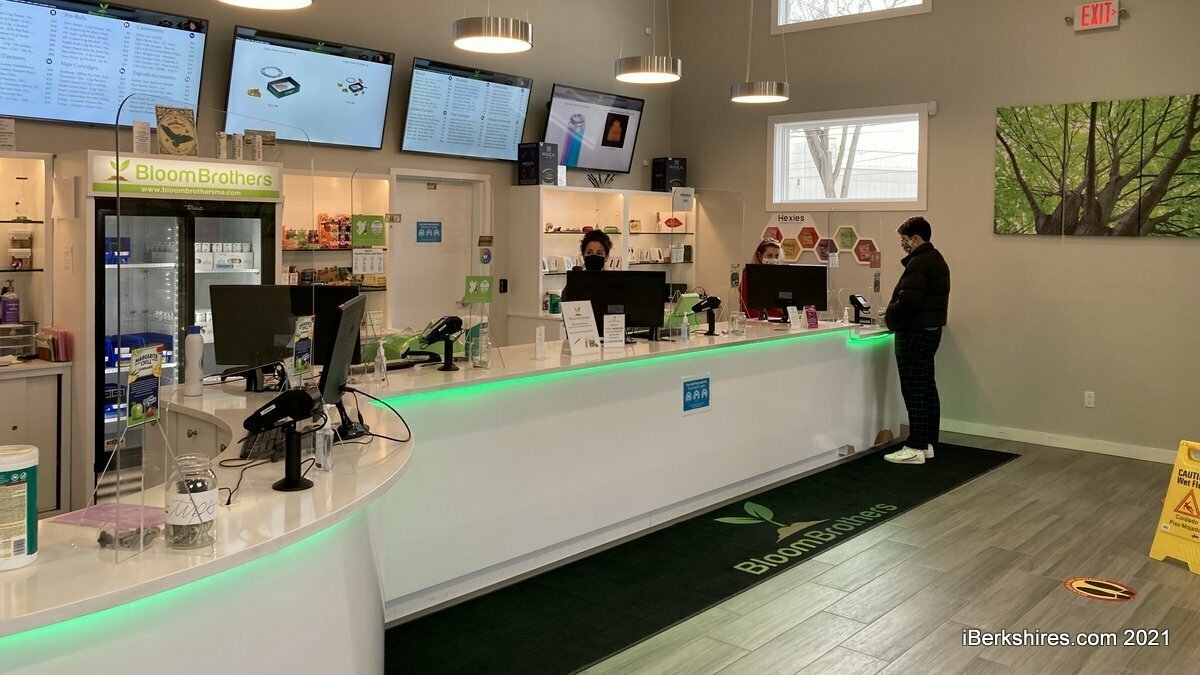
The city currently has around six dispensaries, dramatically below the cap. Last year, the Zoning Board of Appeals approved a special permit for a dispensary in the Allendale Shopping Center at 5 Cheshire Road, which a former councilor unsuccessfully tried to appeal.
Twenty-five percent of cannabis revenue goes into Pittsfield's public works stabilization account that was created in 2019, 25 percent goes to the stabilization fund, and 50 percent goes to the general fund. Halfway through fiscal year 2024, the city collected about $256,000 of the $700,000 general fund estimate.
Tags: cannabis,