Pittsfield Councilor Unsucessfully Tries to Block New Cannabis Store
PITTSFIELD, Mass. — Ward 2 Councilor Charles Kronick unsuccessfully tried to have a recent cannabis establishment's permit appealed.
On Tuesday, the City Council shot down his attempt to reverse the Zoning Board of Appeals September granting of a special permit to Cloud 9 for a retail store at Allendale Shopping Center.
The councilor said Cloud 9 will "adversely impact businesses and shoppers experience." He expressed concerns about children being exposed to the legalized substance because it is in a shopping mall, not a standalone building.
"A marijuana store, even though the children don't go in, there it is and it's normalizing," Kronick said.
City Solicitor Stephen Pagnotta explained that the appeal would require a legal suit that would have to be submitted by Oct. 18.
"It is a use allowed by special permit in that particular district," he explained. "So it's not that the district is not permitted, that the location is not permitted. It's a permitted use subject to the special permit issued by the Zoning Board of Appeals."
Mayor Linda Tyer said the city has a very specific ordinance that regulates where cannabis establishments can be situated and if the council would not like them in shopping malls, it will have to amend the ordinance.
"I really, really respectfully request that the City Council does not appeal this special permit for this cannabis establishment. It is the first establishment in the city of Pittsfield that meets the social equity requirements of the Cannabis Control Commission's regulations and so I feel really strongly that this be supported," she urged.
"The applicant went through the process that is established by the city and by the Cannabis Control Commission. They were successful, they held their community meetings, we received no opposition, and so I am here to respectfully request that you support this the establishment of this new business, which is meeting the social equity requirements of the Cannabis Control Commission regulations."
The provision requires communities to seek out social equity applicants who have been hit the hardest by past drug laws that have unfairly affected people of color. This is the only application the city has received that complies with the provision.
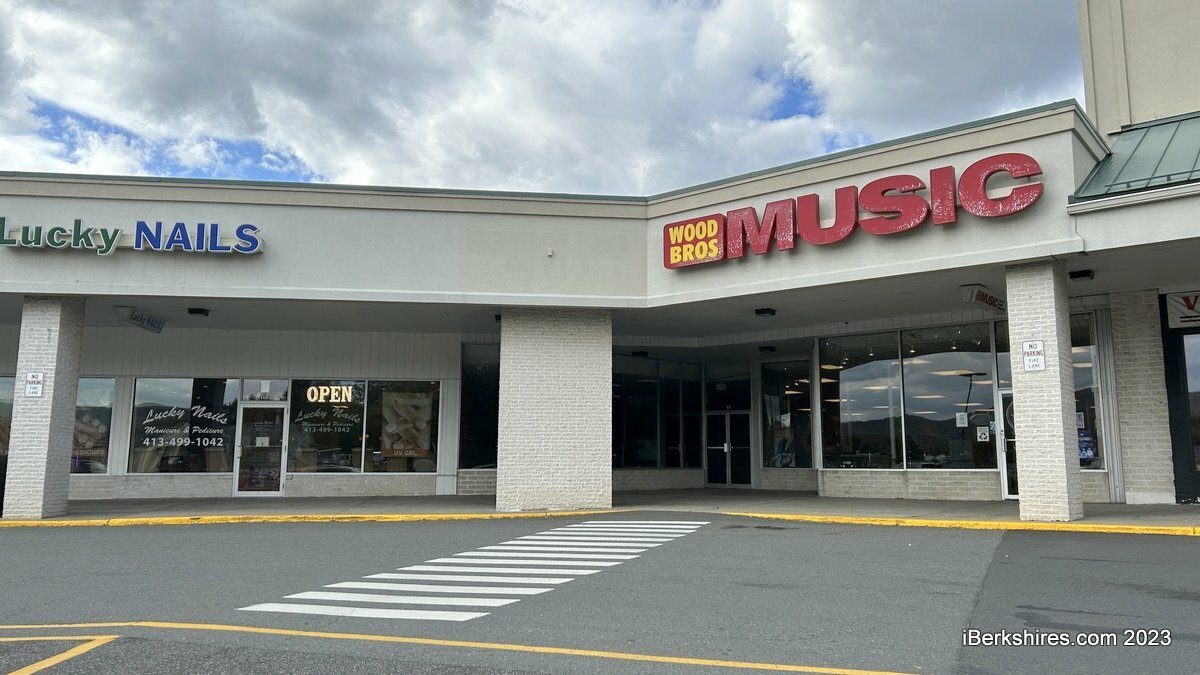
The ZBA unanimously approved the special permit but board member Esther Anderson, though she voted in favor, expressed concern for the location between Wood Bros. music store and Lucky Nails.
"There could also be a bar there, which there are children walking by," board member John Fitzgerald said at the ZBA meeting.
"This is not an establishment where a kid is gonna go walking in. Most of them, the clientele is screened or scanned before they go in so it's not that. Most of them have the windows blocked so the kids can't see what's going on and in this day and age, I think the kids are more informed than we are."
Owner Edward Salzman reported that the company will not be making any exterior changes to the storefront other than security and surveillance measures and that there will be somewhat of a lobby at the entrance without branding or products where clients will be screened to ensure that they are of age before entering the dispensary.
Tyer explained that you can't just walk into these facilities, as they require a 21 or older ID for entry, and then customers must present the ID a couple more times before they can leave with a product.
"That concern was answered at that meeting with I believe a fallacious argument saying that restaurants and bars sell liquor but they're not a place to buy liquor. Those are eateries and it really is not the same thing. It's not an establishment selling hard liquor and beer and wine," Kronick said.
"The other argument was that it is closed and they can't go in that they are therefore insulated but they're not insulated because there's a big sign in front of it and everybody know what it is."
The granting of a special permit also comes with sign regulations.
Ward 5 Councilor Patrick Kavey pointed out that there is a cannabis establishment in a shopping plaza on East Street and that there are also liquor stores in shopping plazas in the city.
Ward 6 Councilor Dina Lampiasi described the rather new industry as a "social experiment."
"I'm going to use an example that some might understand. If you grew up in an Italian family where you drink wine with your family at Christmas, alcohol may not have been so glorified," she said.
"When you were 16, I'm speaking of myself right now, partying wasn't as attractive and I found that to be true for a lot of my peers and I'm hopeful that with cannabis we'll see abuse at younger ages go down once we get through these early stages of cultivation where it's a little bit more normal."
She added that Cloud 9's website is pretty benign, as it is not marketing products with words such as "inspire, relax, and sleep."
"It's an elusive place," she said. "Kids can't get in and they don't know what's going on in there."
Years ago, Tyer originally submitted the cannabis ordinance for the council's review with a proposed 10 licenses throughout the city but, through deliberation, the councilors amended it to allow 30 licenses. The city currently has 18 and Lampiasi predicted that there will be fewer in the future due to over-saturation of the market.
Tags: ZBA, cannabis,