Berkshires Jazz: New Leadership Continues Founder's Passion
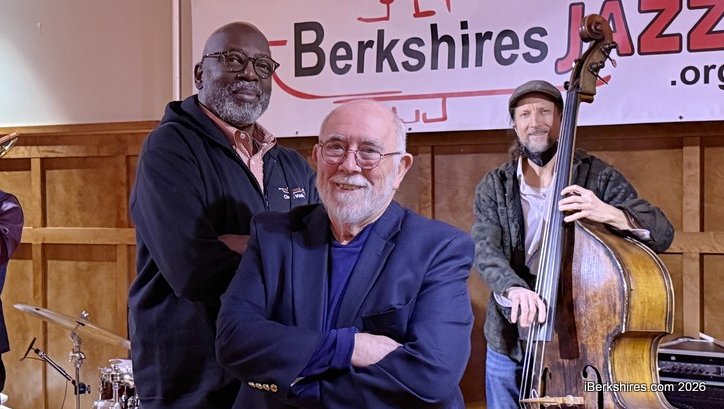
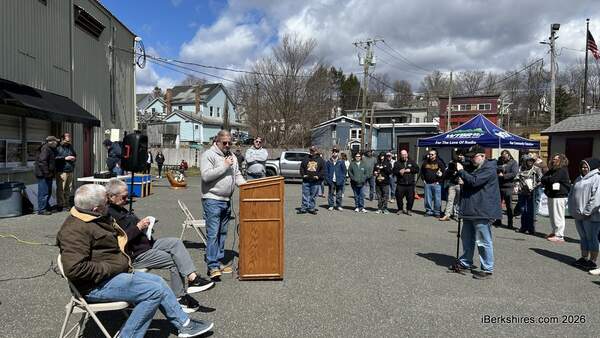
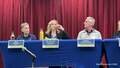
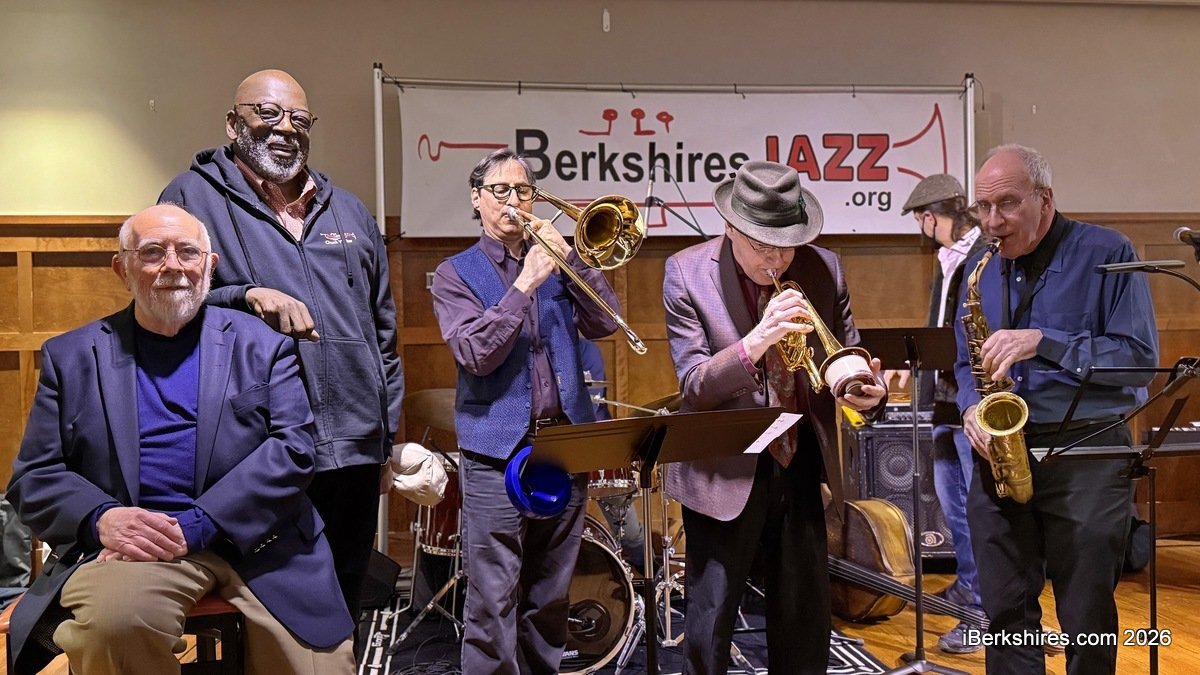
Chuck Walker, left, found Berkshires Jazz a year after moving to the Berkshires and shared his enthusiasm for the musical form with Ed Bride, not realizing he was the founder. It eventually led to Walker become the organization's president.
Jazz embodies freedom way of thinking, improvisation, and a distant respect for the rules, Berkshires Jazz founder Ed Bride said.
It is an emotional refuge from today's atmosphere. The Berkshires, too, is like that, a place to escape and clear your head, which is why so many artists over the years have visited the area, the duo said.
"You need a place to escape from that in order to, as we all used to say back in the '60s, to get your head right. The Berkshires are a place where you can get your head right," Walker said.
"The way that you just described jazz as improvisational … as being out of lockstep with whatever the prevailing society is. That's what makes jazz jazz. That, too, is what makes the Berkshires the Berkshires."
For the last 20 years, Bride has been rejuvenating jazz in the Berkshires, a genre that was once alive thanks to venues such as Music Inn and The Lenox School of Jazz, sometimes called the Music Barn, active from 1950 until the late '70s.
Bride said when he started the Pittsfield City Jazz Festival in 2005, which became the Berkshires Jazz nonprofit in 2009, you could go months without hearing jazz, with only one place in the county that would regularly play it: Castle Street Café in Great Barrington, which closed in 2016.
"After five years, we sort of proved it was safe to do jazz in the Berkshires, because after we did our first festival, we found it in more and more of the lounges and restaurants. We found more and more organizations presenting jazz on the stage. I think that it had just lost its way," he said.
There were 10 to 20 years where it wasn't heard on the radio, and you still don't hear it a lot on the radio and it wasn't taught, Bride said.
"All those things have reversed and I think that the amount of performances we had, had something to do with it. People showed up," he said.
Since its inception, Berkshire Jazz has been dedicated to fostering jazz education and enhancing the local jazz scene.
Through year-round programming, the organization brings renowned jazz artists to the area and supports sustained education with workshops, master classes, clinics and student performance opportunities.
Berkshire Jazz supplements local school music programs by providing in-depth workshops and master classes for middle and high school students across the county.
These activities immerse students in jazz history, group playing, listening, and improvisation, often culminating in student ensembles opening for major concerts, Bride said.
"The whole concept is, get them involved when they're young – they'll appreciate it. They may not go into jazz. They might not become the biggest fans, but they will understand it, and some of them will, in fact, gravitate to it," he said.
One of the best moments was in 2009, when Dave Brubeck, American jazz pianist and composer, was sitting at a piano next to a high school freshman at a concert at the Colonial Theatre. It is a moment people are still talking about, Bride said.
"Jazz is not something that forces itself on you. Jazz doesn't come looking for you and grab you, but you know you like it, especially the young people, when they first start to get into it," Walker said.
The organization's workshops aim to help students understand what draws them to jazz, teaching them both how to appreciate and perform what is already inside of them, he said.
"Education is one of the most important things that we do. We all love jazz. We all love to hear performances of jazz. We certainly love putting on those performances. But if jazz is to survive, we're going to need that next generation of producers, performers, engineers, who have a love of jazz to carry it forward, Walker said.
After serving as the organization's president since its inception, Bride is stepping back from the role to move to New Hampshire to be closer to family.
Berkshires Jazz's board selected Walker because of his passion and enthusiasm for jazz, strong organizational skills, and what Bride described as "wise counsel."
Walker is a Berkshire County transplant, moving to the area during the pandemic and drawn by the area's beauty and quieter, calm atmosphere; a contrast from his life in New York.
Before moving to the Berkshires, Walker worked nearly 40 years in television in several roles for the ABC and Disney including as a producer, production manager and director of engineering and operations.
Less than a year after moving to the region, Walker attended a Berkshires Jazz event during the Pittsfield City Jazz Festival. There, he enthusiastically shared his love of jazz with another attendee, who, unbeknownst to him, was Bride.
This is just a new evolution to the organization, Walker said. Bride is still involved and Berkshires Jazz has a team dedicated to continuing and expanding what Bride has built.
Tags: jazz, music,