Dalton Seeks Dismissal of Two Counts in Berkshire Concrete Litigation
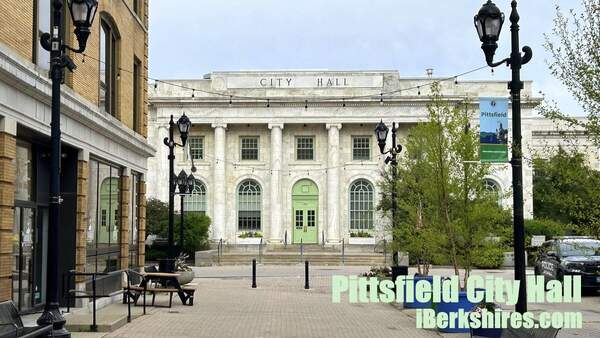
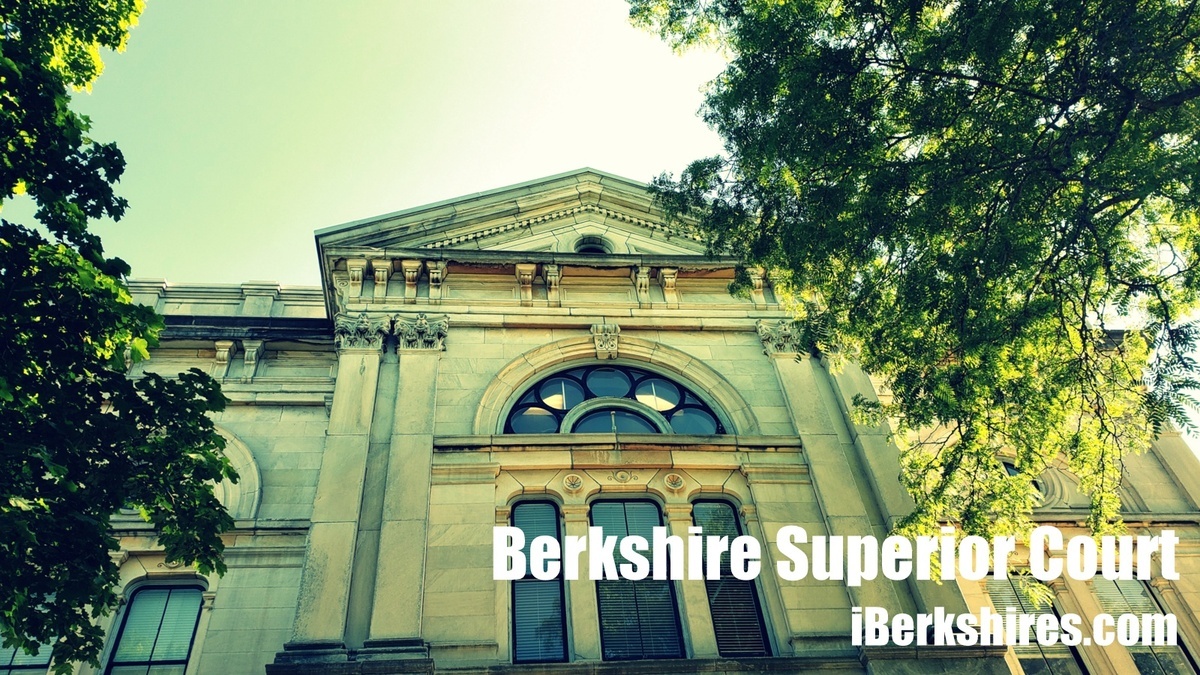
PITTSFIELD, Mass.— With a smack of a gavel, the court proceedings began on Thursday for the ongoing litigation between the town and Berkshire Concrete.
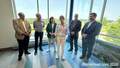
About a dozen community members attended the Rule 12 hearing at Berkshire Superior Court, with several wearing their “Stop the Dust” pins. The proceedings started at 2 with several cases on the docket. One by one, the courts went through them.
Berkshire Concrete was the last on the list, and by the time 3:32 p.m. came along, a few of the Berkshire Concrete attendees had left, but 10 still remained, including Select Board member Antonio "Tony" Pagliarulo and clean air advocates James "Jimbo" Doucette and David Pugh.
Berkshire Concrete’s attorney Jaan Rannik, of Cohen Kinne Valicenti and Cook LLP, and the town’s attorney Alexander Weisheit, of KP Law, attended the meeting virtually, with Judge Jane Mulqueen presiding.
The town moved to dismiss two of the counts filed against it by Berkshire Concrete — breach of contract and promissory estoppel, a legal doctrine that allows someone to recover damages when a promise is broken, even if a formal contract does not exist. Weisheit had not come to a determination at the time of the hearing.
Berkshire Concrete claims that as a direct result of the town's breach of contract, it suffered damages of no less than $1.9 million and will continue to incur additional damages.
In its lawsuit, Berkshire Concrete, a subsidiary of Petricca Industries, seeks permission to operate on its entire property and to have any future permit applications granted — unless they violate previous permit conditions and fail to fix them after formal written notice, or if the Mine Safety and Health Administration finds a public health danger requiring new restrictions.
It also requests that if a future renewal is denied for a violation and Berkshire Concrete disputes it or claims it didn't have time to fix it, operations can continue until a final decision is made.
The company claims the town breached its 1992 contract with Berkshire Concrete and the board exceeded its authority in denying the special permit.
During the hearing, which lasted about 10 minutes, Weisheit argued that the 1992 decision by the courts was not a contract but a special permit with conditions, which Berkshire Concrete has not followed; hence the town’s counter suit.
He also highlighted how, since the 1992 decision, the permitting authority has changed from the Board of Selectmen to the Planning Board, which denied Berkshire Concrete's special permit in March 2026.
Even if it were a contract, Weisheit argued that there is no way for Berkshire Concrete to prove breach of contract.
Additionally, it would not be entitled to damages because the town is statutorily exempt from damages for breach of conditions related to a permit or other damages arising from the issuance of a permit, he said.
The underlying dispute here is the detrimental impact Berkshire Concrete’s mining operations are having on the abutting neighborhoods, Weisheit said.
Berkshire Concrete’s lawsuit against the town outlines the long history of its operations in Dalton, which Rannik briefly alluded to but did not go into detail about, as the judge was already familiar with the issues.
Berkshire Concrete has been operating in Dalton dating as far back as at least 1947, before the town's adoption of its zoning bylaws in 1951, which requires a special permit as a precondition for certain uses of land, including the removal of gravel, loam, sand, or stone.
The town has had an ongoing and, at times, contentious relationship with Berkshire Concrete, with prior lawsuits and negotiations to determine what the excavation company is allowed to do based on grandfathered rights.
In July of 1992, the town issued a cease-and-desist letter, alleging Berkshire Concrete violated zoning bylaws.
To address the legal disputes, the town and Berkshire Concrete agreed that the company would obtain a one-year renewable special permit with specific conditions, including limited hours, restoration requirements, and designated traffic routes. More conditions were added in 1994 after appeals.
Rannik described this issue before the court as “narrow”, arguing that an agreement was made during the prior litigations in the 90s that extends beyond the existence of a permit.
The agreement was that Berkshire Concrete would apply for a special permit yearly, which would be issued again if it abided by the conditions set during litigation.
Rannik claims Berkshire Concrete has followed the conditions and that the town breached the contract by denying the special permit.
He also argued that the statutorily exempt Weisheit referenced does not apply to this case because it is more than a special permit; it is an agreement that the town and Berkshire Concrete made during litigation.
Tags: lawsuit,