Cultivators Berkshire Kind to Begin Site Work at William Stanley Business Park in the Fall
PITTSFIELD, Mass. — Marijuana cultivator Berkshire Kind is "moving along" with its development in the William Stanley Business Park but has an extended timeline and budget.
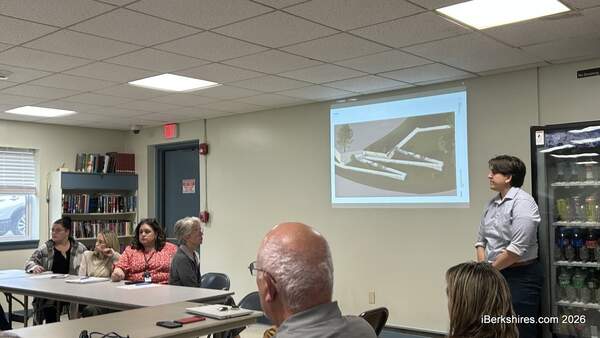
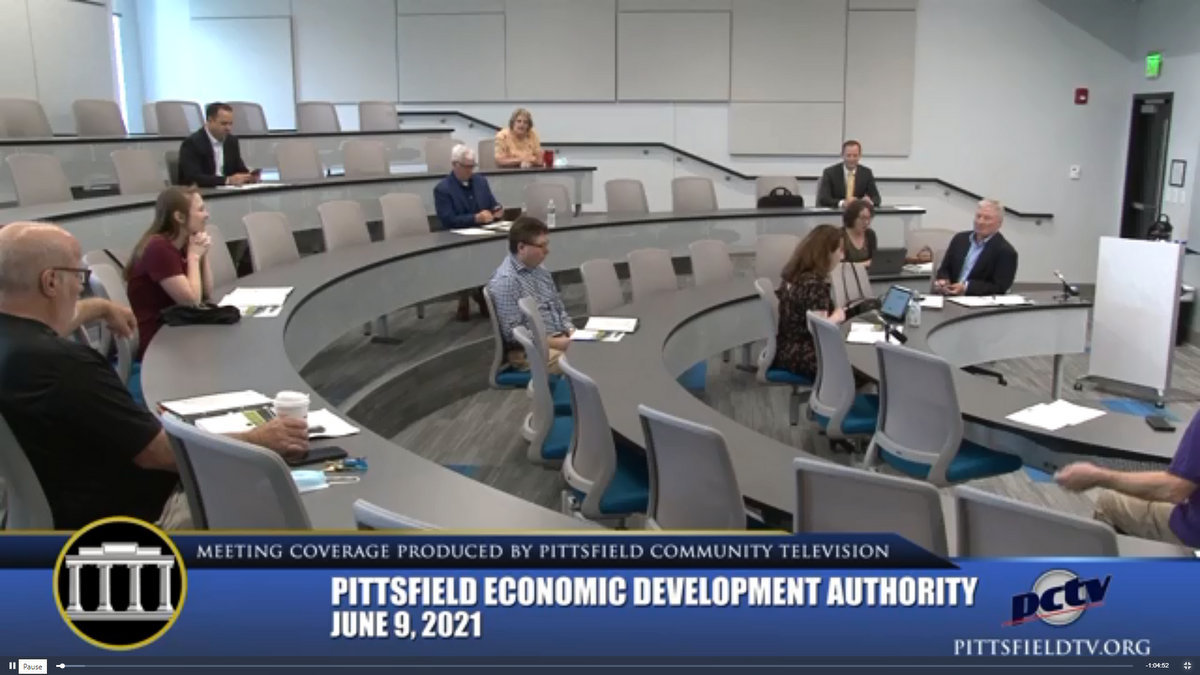
In the Pittsfield Economic Development Authority's first meeting since fall 2020, interim Director Michael Coakley reported that the cultivators' goal is to start site work and foundation work this fall.
"Everything takes longer than they had planned and everything is going to cost them more than they had planned," Coakley said.
Owners Philip and Jeremy Silverman were faced with an unexpected change when they had to alter the way they are doing their foundation. After that is completed, they will return to PEDA for a finalized design review and will obtain a building permit from the Cannabis Control Commission.
"Right now they are trying to purchase the steel, and steel prices have gone up dramatically in the wait time," Coakley said. "They're thinking that they will receive the steel around December, but if they have the foundations they can start quickly."
He organized a conference call with the state Department of Environmental Protection and the U.S. Environmental Protection Agency to "get communication going" and is now finalizing all the construction documents for the build.
In October 2019, PEDA voted to support Berkshire Kind's intent to purchase land in the business park and erect a 20,000-square foot grow facility.
The proposed Tier 2 facility will stand on Site 4, which is across the street from the future Berkshire Innovation Center and the Silverman brothers plan to spend between $2.8 million and $2.9 million on the facility.
Berkshire Kind plans to open in two phases: phase 1, where it will construct the complete facility but for that first year will only use half of it until phase 2 where the entire facility is used.
The company expects to hire 12 full-time employees in the initial phase and then bring another eight to 10 onboard.
In October 2020, the brothers received a provisional license from the state Cannabis Control Commission, which regulates the marijuana industry in the commonwealth.
Also in this meeting, PEDA received a financial audit presentation from auditor David Irwin, CPA. In total assets, the organization has $13.9 million, which is down about $500,000, and total liabilities of $6.9 million.
The panel also discussed grant applications including a $1.1 million Site Readiness & Brownfields grants, the Community One Stop Infrastructure Program, and federal funding opportunities, and a PEDA office relocation from 81 Kellogg St. because of the building's poor condition.
The budget will be presented at the next meeting.
Tags: PEDA,