Governor Celebrates Permanent Universal Free School Meals
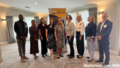
QUINCY, Mass. —Governor Maura T. Healey and Lieutenant Governor Kim Driscoll hosted a press conference earlier this month at Snug Harbor Elementary School in Quincy to celebrate her administration delivering permanent universal free school meals for K-12 students in Massachusetts.
The Governor was joined at the celebration by House Speaker Ronald J. Mariano, Chair Aaron Michlewitz, bill sponsors Representatives Tackey Chan and Bruce Ayers, and Erin McAleer, the President and CEO of Project Bread, all of whom highlighted the impact the program is expected to have in addressing hunger and advancing equity for students across the state.
"We're making school lunch and breakfast free for all students permanently in Massachusetts," said Governor Healey. "By delivering universal free meals, this administration is making clear that nothing is more important than ensuring our kids are fed, healthy, and ready to learn and play and grow."
The fiscal 2024 budget that Governor Healey signed on Aug. 9, 2023 delivered $172 million in permanent state funding to provide universal free school meals for K-12 students. This funding, paired with federal reimbursement for eligible meals, means that all students who attend schools that participate in the National School Lunch and Breakfast programs are entitled to one free lunch and breakfast each school day.
"During my 12 years as a teacher in the Quincy Public School System, I saw up-close just how important it is to ensure that a student's ability to focus and ultimately succeed in the classroom is not affected by their family's financial circumstances," said House Speaker Ronald J. Mariano. "I'm incredibly proud that Massachusetts will be one of the first 8 states to permanently provide free school meals for all students, a vital initiative that furthers the Commonwealth's role as a national leader in education. I want to thank Chairman Michlewitz and my colleagues in the House, as well as the Healey Administration, our partners in the Senate, and the folks at Project Bread for recognizing the critical nature of this program, and for working to make it a reality."
Universal free meals began as a national program with federal funding during the pandemic, and Massachusetts continued it on a trial basis. With this year's budget, the Healey-Driscoll Administration, along with partners in the legislature, are making the commitment permanent. From now on, free, nutritious meals will be available to all students without stigma — helping ensure that students are better prepared to learn. By being one of the few states continuing this transformative program, Massachusetts is leading the way in addressing child nutrition, child hunger, and taking a more holistic approach to student needs.
The universal free school meals program will cover the cost of one lunch and breakfast including fruit, vegetables and whole grains, as per the National School Lunch and Breakfast Programs. School cafeterias might also choose to offer "a la carte" items for a fee. These items might include milk (if purchased alone) or an extra slice of pizza, and students must pay for those. Students must also pay if they want a second lunch or breakfast on the same day. Students' first complete breakfast and lunch each day is covered.