BRTA Mulls Extending Free Rides to Non-ADA Communities
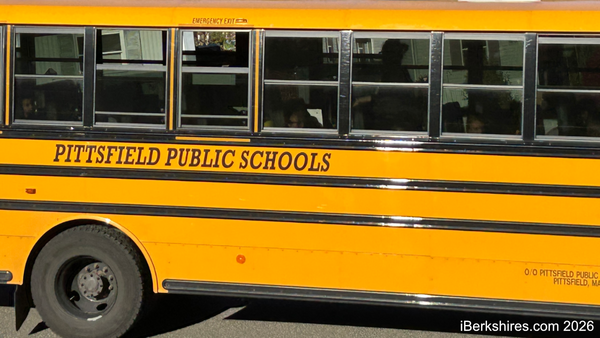
PITTSFIELD, Mass. — The Berkshire Regional Transit Authority may extend free rides even further for the next few months.
This would expand opportunities for rural residents to use the transit authority's services and could even be a catalyst for route extensions.
On Wednesday, the BRTA Finance Committee recommended the extension of fare-free rides to non-ADA communities for the months of April, May, and June. It will go before the full advisory board at the end of the month.
"It's a way of getting more service out there to communities that maybe don't have it or aren't using it," Administrator Robert Malnati said.
Last year, BRTA was awarded $699,733 from the state for fare-free service from Jan 1, 2025, through Sept. 30, 2025. The funding was provided in Fiscal Year 2025 budget signed by Gov. Maura Healey in July and builds off of two years of successful pilot programs.
BRTA was previously awarded funding to provide free rides for the 2024 holiday season.
Malnati explained that the fare-free initiative was for fixed routes and ADA paratransit services. He was approached about offering this opportunity to non-ADA communities that don't have fixed routes, as it could be a way for them to learn more about the BRTA.
"And maybe this would, if funding were available, increase fixed route eventually," he said.
"But at least now, we would have the fare-free for the ADA and non-ADA trips and the non-ADA trips primarily were for the communities that don't have fixed route."
He reported that there are very few same-day non-ADA service requests. This would extend to communities like Richmond, West Stockbridge, Windsor, and Savoy.
"If they were so inclined to try the service, they could," Malnati said.
Transit to Pittsfield for these communities could cost as much as $25 for a round trip. There is about $7,000 in the budget from turned-back Council on Aging vehicles that could offset the cost of extending fare-free trips.
"Theoretically, this is something that the Finance Committee would approve, then it would go before the full board at the end of March and then we would between now and then work on how do we promote this and then start it for the last quarter, April, May and June," Malnati explained.
Douglas McNally said this is a good opportunity to make BRTA "absolutely countywide."
"This would be something where we would be saying that anybody in any community can use the paratransit for free for three months," he said.
"I think this is kind of a fare-free bonus because absent of an opportunity like this, most residents of these towns have no idea what BRTA offers."
Other committee members agreed, coining it as a great opportunity and pointing out "It is the Berkshire Regional Transit Authority after all."
"It's not just the towns that get fixed route," Malnati added.
Last year, BRTA celebrated its 50th anniversary with new hybrid buses that tell a story about its history. It was awarded five eco-friendly buses as part of former President Joe Biden's Bipartisan Infrastructure Law under the Federal Transit Administration's Low or No Grant Program. Each is valued at about $800,000 and is decorated to represent different BRTA eras.
Tags: BRTA,