Clarksburg Students Write in Support of Rural School Aid
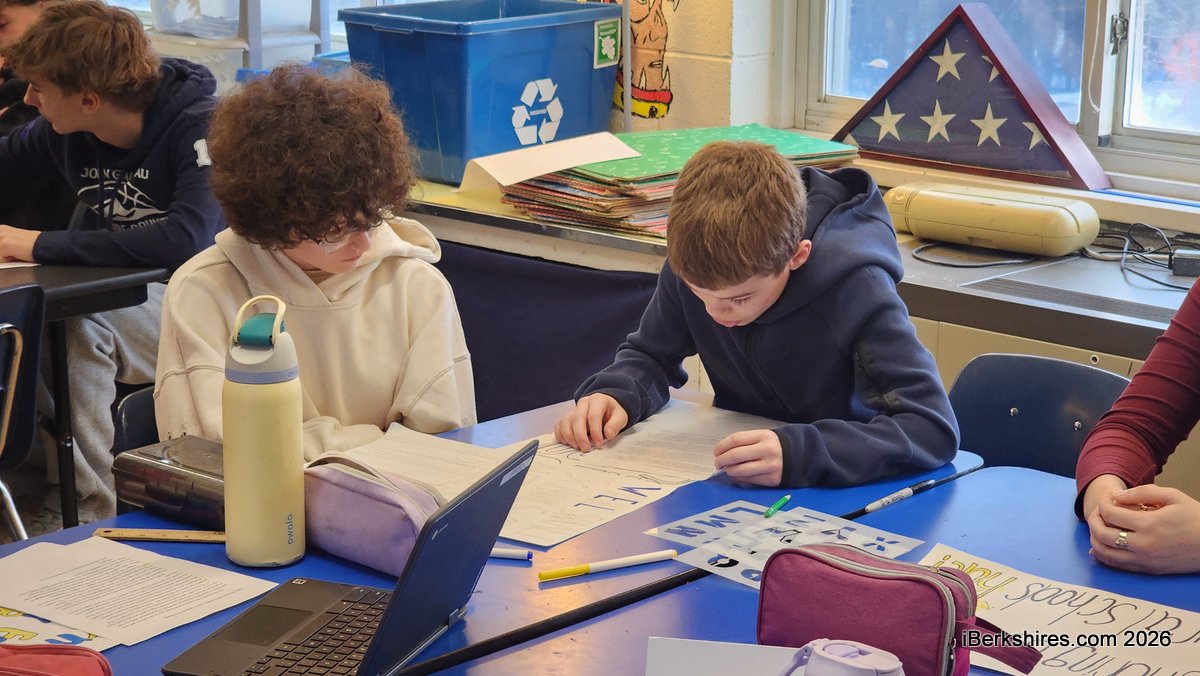
Mason Langenback calculated that Clarksburg would get almost $1 million if the $60 million was allocated equally.
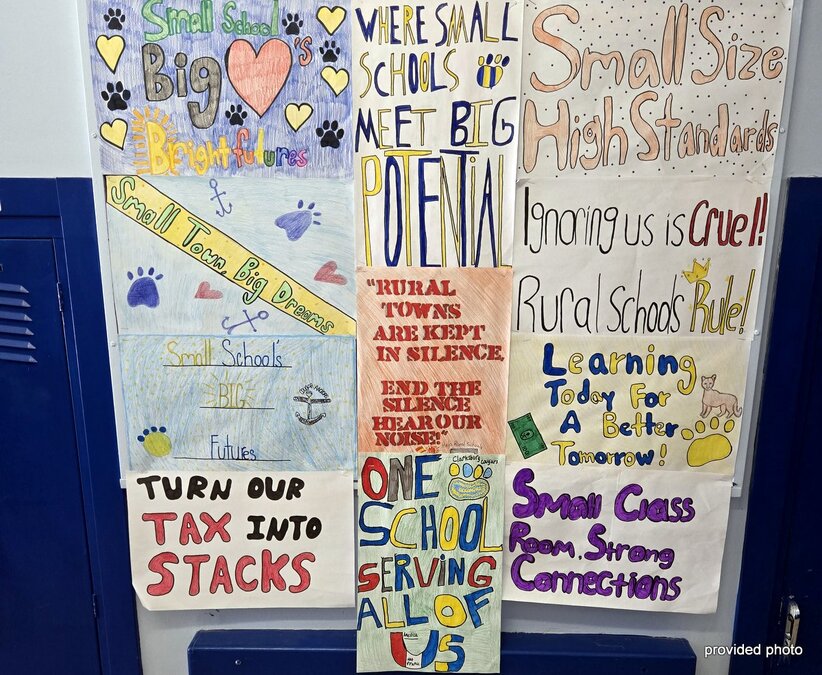
The students focused on the hardships for small rural schools and their importance to the community — that they struggle with limited funding and teacher shortages, but offer safe and supportive spaces for learning and are a hub for community connections.
"They all address the main issue, the funding for rural schools, and how there's a gap, and there's the $4 million gap this year, and then it's about the $40 million next year, and that rural schools need that equitable funding," said social studies teacher Mark Karhan.
A rural schools report in 2022 found smaller school districts cost from nearly 17 percent to 23 percent more to operate, and recommended "at least" $60 million be appropriated annually for rural school aid.
Gov. Maura Healey has filed for more Chapter 70 school aid, but that often is little help to small rural schools with declining or static enrollment. For fiscal 2027, she's budgeted $20 million for rural schools, up from around $13 million this year but still far below the hoped for $60 million.
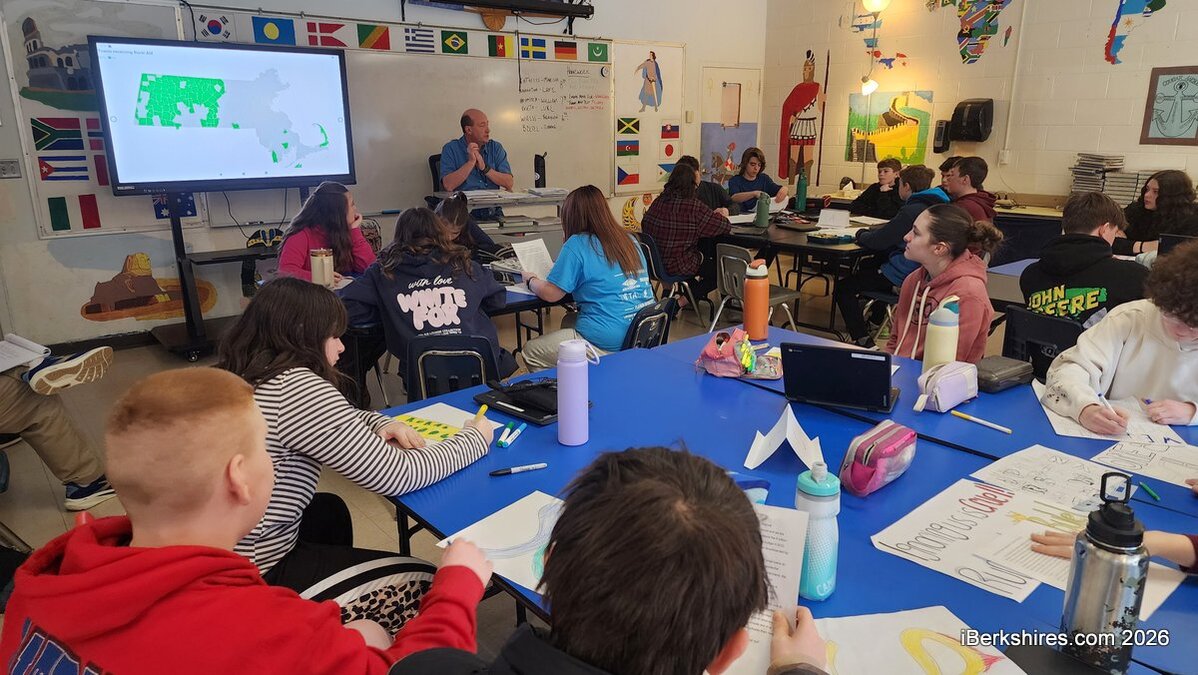
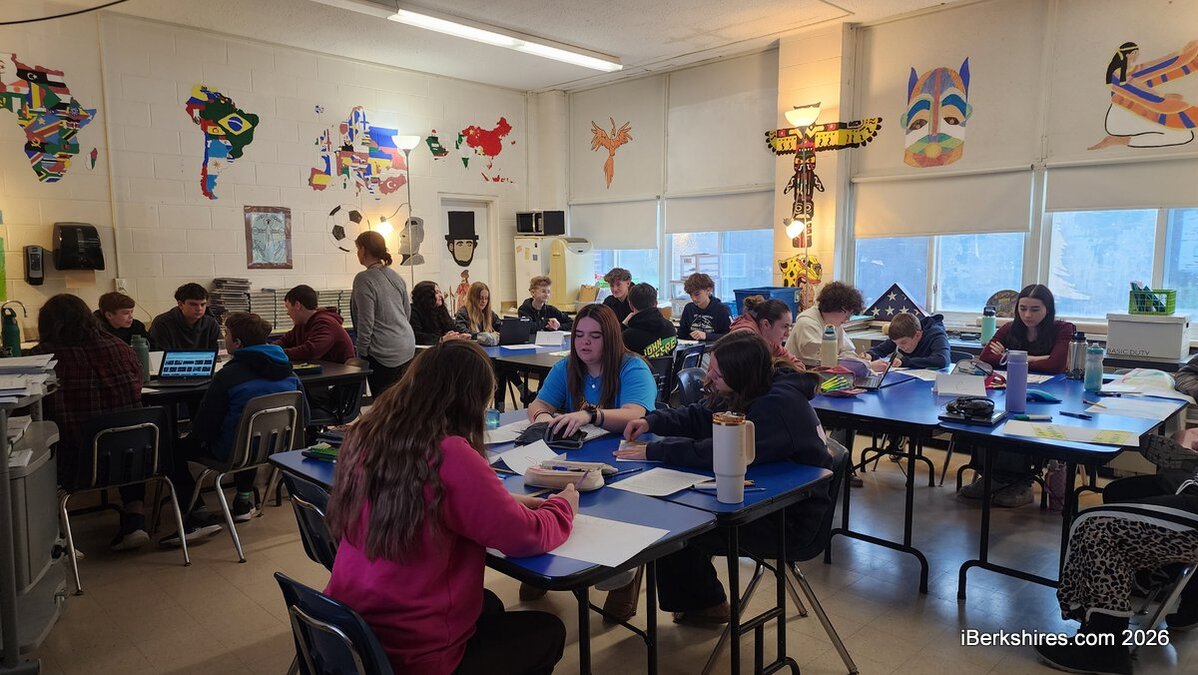
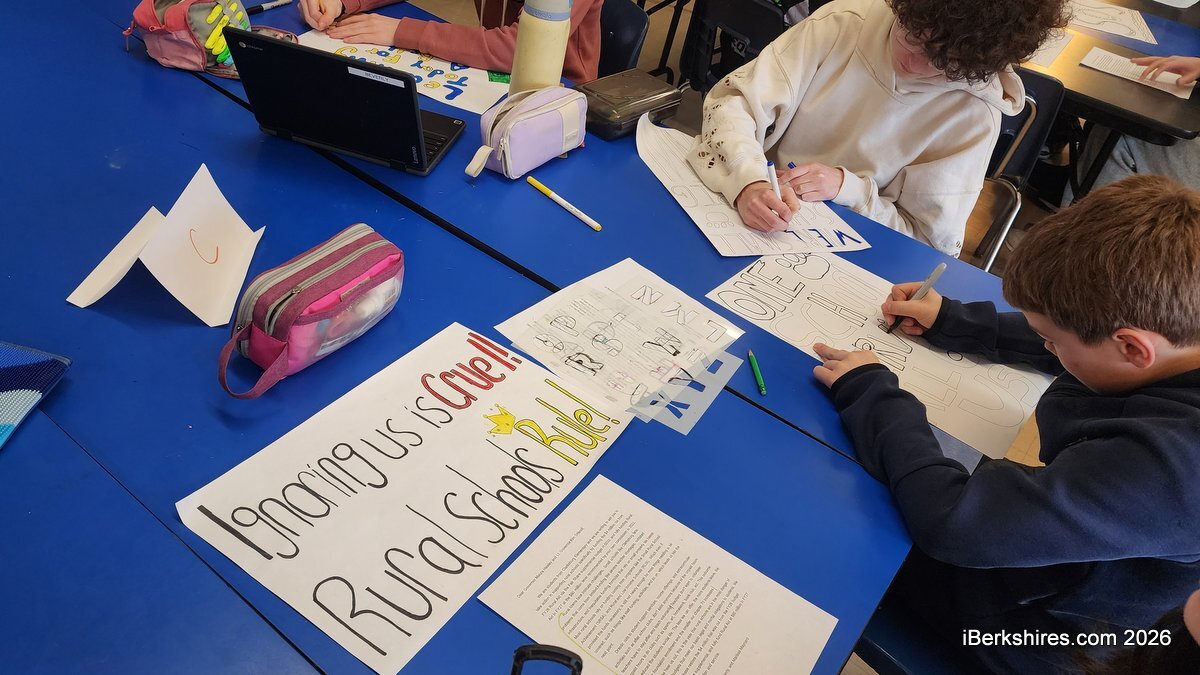
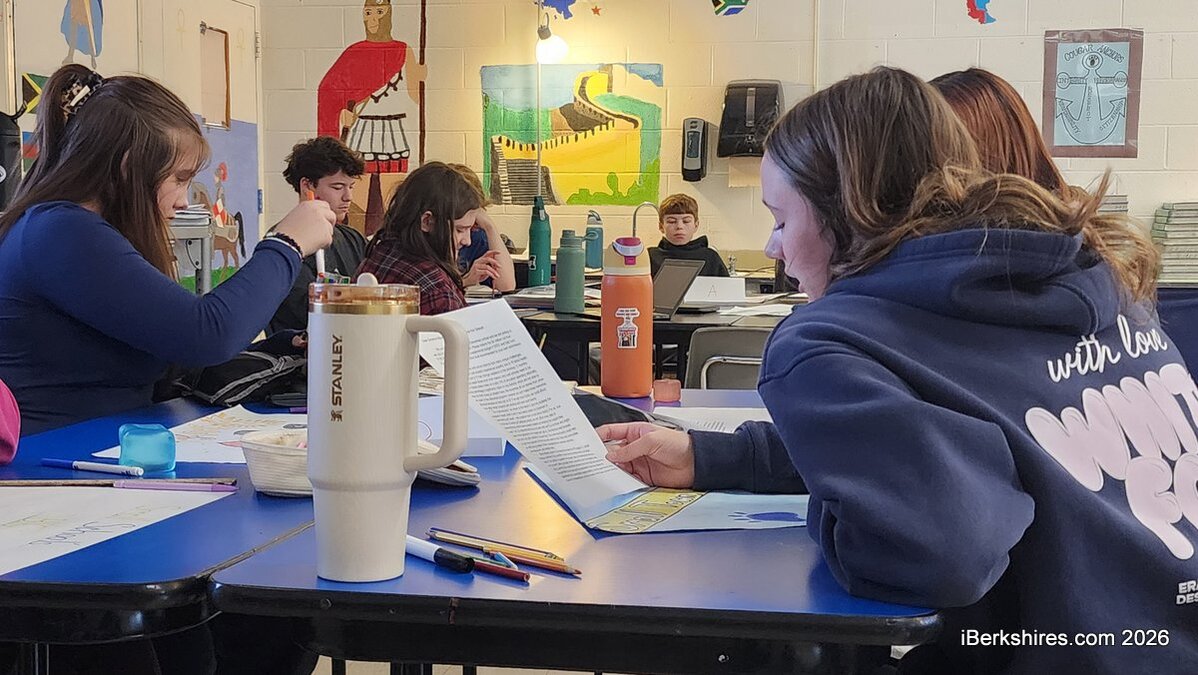
Karhan said the class was broken into four groups and the students were provided a submission letter from Rural Schools Advocacy. The students used the first paragraph, which laid out the funding facts, and then did research and wrote their own letters.
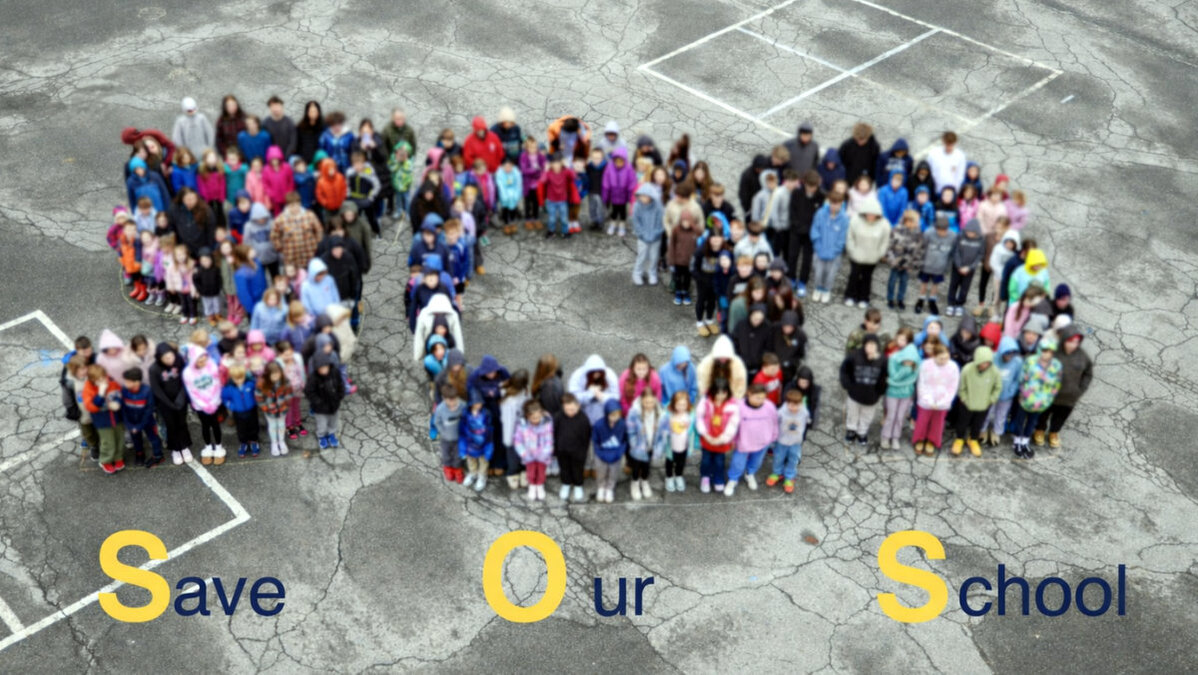
They will submit those with a school picture to the governor.
They took turns on Thursday morning reading through their letters.
"Rural schools also offer a safe and social environment for students," read one student. "Rural schools often struggle with limited funding and teacher shortages, which can restrict opportunities."
Several noted that the town has little commercial activity so the school relies largely on residential property taxes.
"Small schools like Clarksburg have problems that come from limited funding, like teacher shortages, outdated infrastructure and inequitable funding formulas that rely on small property tax bases," another read.
Mason Langenback delved into the calculations, taking the proposed $60 million and dividing it by the 65 rural school districts.
"If we had the $60 million promised ... each school on average will have $923,076 for each school," he said.
Clarksburg School has been slicing its budgets for years; last year, it cut $139,000 to keep its budget increase under 3 percent.
Superintendent John Franzoni said it was an unrealistic equation for the future to keep funding schools that way. He's been advocating for months at school and board meetings in the North Berkshire School Union for officials to push lawmakers and the governor's office to increase rural aid.
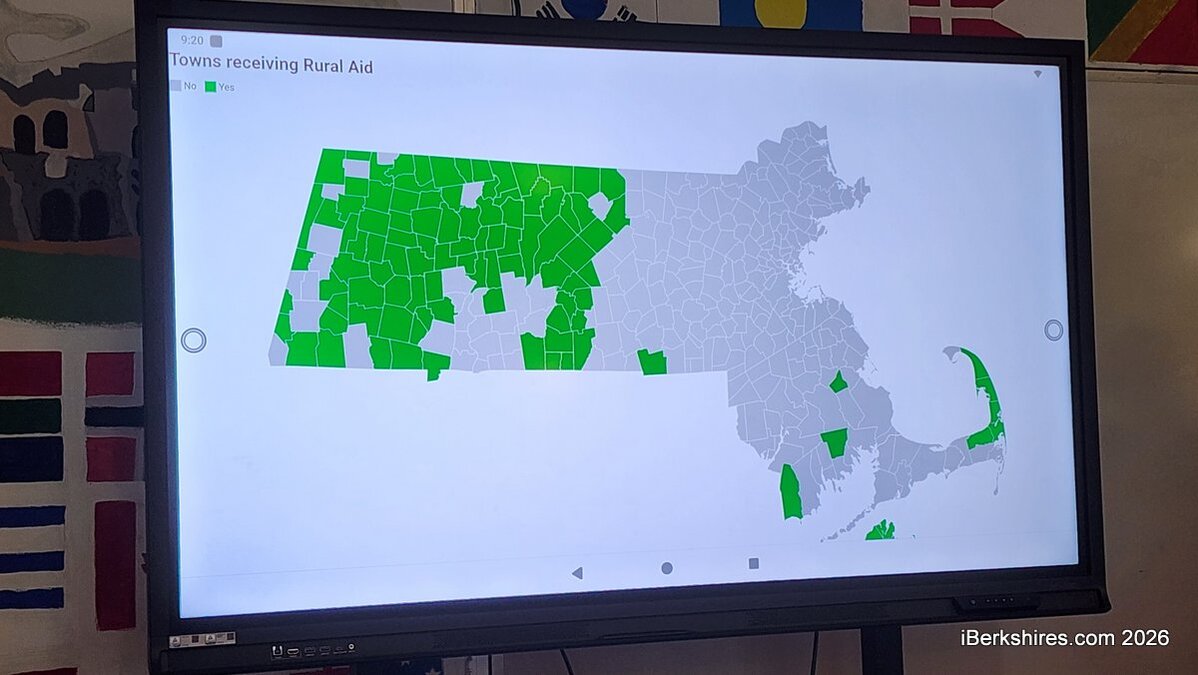
Clarksburg has joined an effort launched by the Mohawk Trail Regional School to sound the alarm on underfunding rural schools — almost all which are in Western Massachusetts.
"It's great that the schools have organized and trying to have a unified voice on this topic. It's so important to all of our rural schools," he said.
Organizer and Mohawk School Committee Chair Martha Thurber told New England Public Media that these schools are in a "death spiral" with underfunding and declining enrollment.
The Rural and Declining Enrollment Schools Week of Action included a trip by fifth-graders from Buckland-Shelburne Elementary School to the State House on Wednesday.
State Rep. Natalie Blais of Sunderland and state Sen. Jo Comerford of Northampton have filed bills to create a Rural Schools Aid Fund that would directly support schools by $60 million. Rural school aid is also one of the issues on the Massachusetts Teachers Association's Fiscal Crisis Campaign, which calls for "decisive action" from state leaders to address underfunding issues.
More locally, Franzoni said the Berkshire County superintendents roundtable gave a presentation to the local officials on funding issues, and stressed that rural aid is one of the three main areas to emphasize.
For students, this was a chance to put their voices to action and learn more about their community. They found out there was no commercial base in Clarksburg, that funding affects staffing like interventionists and that the school is a community hub that supports fun things like the Haunted Hayride and important things like town meeting.
And that the school's lost things over the years, like clubs and sports teams for lack of funding and support.
Alexis Senecal said she had fun doing the project, and learning how things actually are.
"Sometimes we're told that we're actually at a great school and that we can do everything we want to, but the reality of it was kind of like we actually can't," she said.
Marissa Maynard thought getting the school's name out, and having more people learn about the school and the town, would mean a greater chance of getting more funds.
"I hope that our message is received well, and that we will, of course, get the money that we rightfully deserve to just really help our school build itself back up and regain its resources," said Luke Ferris. "Over the summer, we had to fix a roof that was leaking and there are tons of more things that we could either fix or improve on the school and really just make a better place for everyone."
Tags: Clarksburg School, education fund, fair share, rural policy,