image description
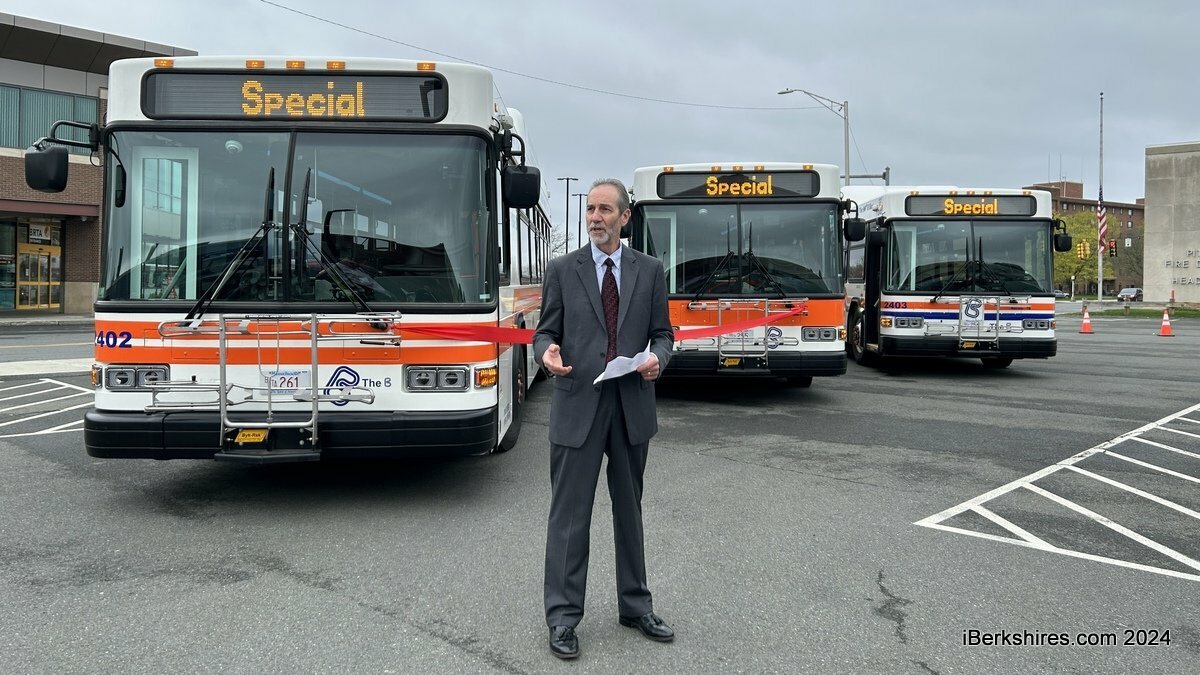
BRTA Administrator Robert Malnati celebrates the agency's 50th anniversary in this 2024 image.

BRTA Administrator Robert Malnati Retiring Next Year

By Breanna SteeleiBerkshires Staff
Print Story | Email Story
PITTSFIELD, Mass. — Robert Malnati's been getting people on the bus for more than two decades — and he's hoping to see ridership on the Berkshire Regional Transit Authority hit a record before he retires next year. 
 
"We might be over 600,000 riders this year. That's huge. That is huge," said the BRTA administrator. "We probably haven't seen that number since probably the '70s."
 
Malnati became the transportation agency's sixth director in its 50-year history in 2014, succeeding Gary Shepard. He started as deputy administrator in 2002; his contract will be expiring next year after 23 years. 
 
"It's a learning experience. It's a humbling experience, because you don't know how many lives you touch. And the impact that this system can have ... I mean, you hear stories here and there. The person that doesn't drive any longer ... and now can become more mobile with their friends. That's huge," he said. "How many of those stories are out there that don't get told, finding out that you can now take the bus because it's later in the evening to go to work or to come home from work, or you get home from working, you go to the grocery store. 
 
"Before those options weren't there. So, yeah, I just like to see that whole thing prosper, become stronger."
 
He'd like to see the ridership continue to grow, and hear from riders how routes can be augmented to make them work a little better or easier.
 
"Or are there different pockets that are now using the bus that didn't six months ago because it wasn't free, and now that they've found that it's free, that that does work for them?" Malnati said. "Let's see what we can do so to maintain that higher ridership."
 
During his tenure, he's seen the BRTA add accessible vehicles, extend fare-free services, add five eco-friendly buses, restructure routes to better serve riders and begin studies to bring microtransit to the county.
 
Malnati is working toward figuring out his fleet of buses and what needs to be changed or updated, now that ridership is gaining.
 
"Every day's been different. It's been a great experience. It's been fun. There's ups, there's downs, budget season is terrible, but you know, you deal with it and I think it's a very rewarding experience here, dealing with customers on a daily basis," he said. "Like I said, every day is different. You can have a plan, but you know, life changes those real quick."
 
Malnati celebrated the BRTA's 50th anniversary last year with a fleet of hybrid buses and free rides for customers.

Tags: BRTA,   retirement,   

If you would like to contribute information on this article, contact us at info@iberkshires.com.

Social Service Organizations Highlight Challenges, Successes at Poverty Talk

By Brittany PolitoiBerkshires Staff

Dr. Jennifer Michaels of the Brien Center demonstrates how to use Narcan. Easy access to the drug has cut overdose deaths in the county by nearly half. 

PITTSFIELD, Mass. — Recent actions at the federal level are making it harder for people to climb out of poverty.

Brad Gordon, executive director of Upside413, said he felt like he was doing a disservice by not recognizing national challenges and how they draw a direct line from choices being made by the Trump administration and the challenges the United States is facing. 

"They more generally impact people's ability to work their way out of poverty, and that's really, that's really the overarching dynamic," he said. 

"Poverty is incredibly corrosive, and it impacts all the topics that we'll talk about today." 

His comments came during a conversation on poverty hosted by Berkshire Community Action Council. Eight local service agency leaders detailed how they are supporting people during the current housing and affordability crisis, and the Berkshire state delegation spoke to their own efforts.

The event held on March 27 at the Berkshire Athenaeum included a working lunch and encouraged public feedback. 

"All of this information that we're going to gather today from both you and the panelists is going to drive our next three-year strategic plan," explained Deborah Leonczyk, BCAC's executive director. 

The conversation ranged from health care and housing production to financial literacy and child care.  Participating agencies included Upside 413, The Brien Center, The Food Bank of Western Massachusetts, MassHire Berkshire Career Center, Berkshire Regional Transit Authority, Greylock Federal Credit Union, Massachusetts College of Liberal Arts, and Child Care of the Berkshires. 

The federal choices Gordon spoke about included allocating $140 billion for the U.S. Immigration and Customs Enforcement, investing $38 billion to convert warehouses into detention centers, cutting $1 trillion from Medicaid over 10 years, a proposed 50 percent increase in the defense budget, and cutting federal funding for supportive housing programs. 

Gordon pointed to past comments about how the region can't build its way out of the housing crisis because of money. He withdrew that statement, explaining, "You know what? That's bullshit, actually."

"I'm going to be honest with you, that is absolute bullshit. I have just observed over the last year or so how we're spending our money and the amount of money that we're spending on the federal side, and I'm no longer saying in good conscience that we can't build our way out of this," he said. 

Upside 413 provided a "Housing Demand in Western Massachusetts" report that was done in collaboration with the University of Massachusetts at Amherst's Donahue Institute of Economic and Public Policy Research. It states that around 23,400 units are needed to meet current housing demand in Western Mass; 1,900 in Berkshire County in 2025. 

View Full Story

More Pittsfield Stories