

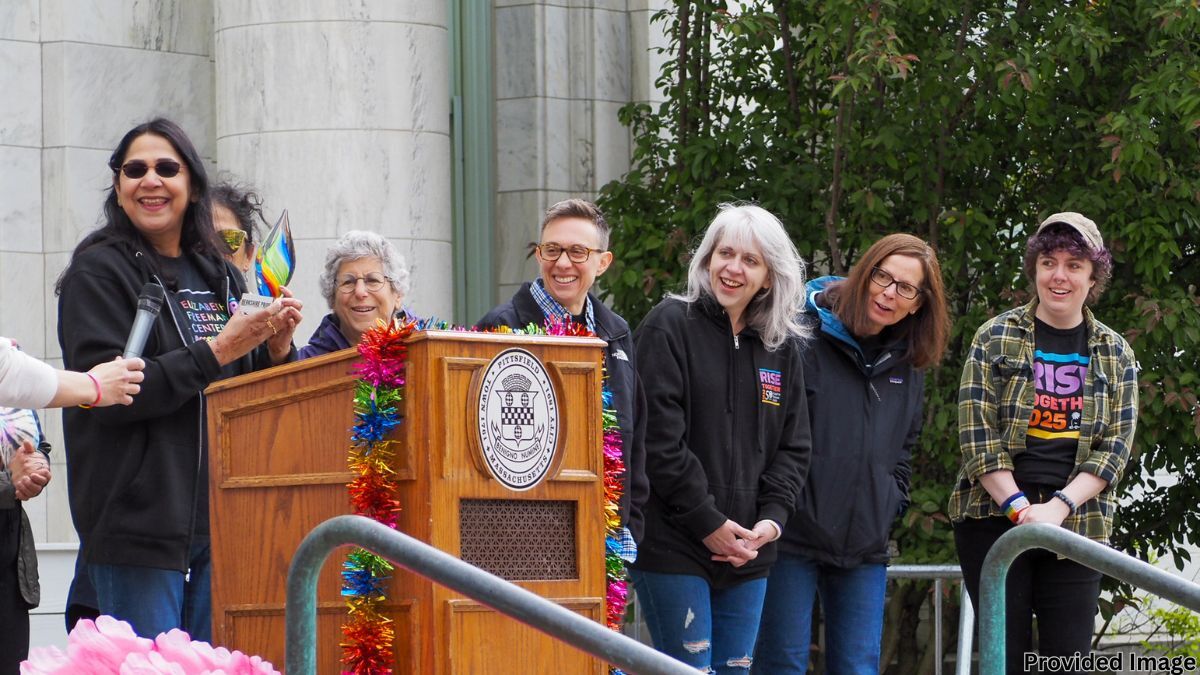
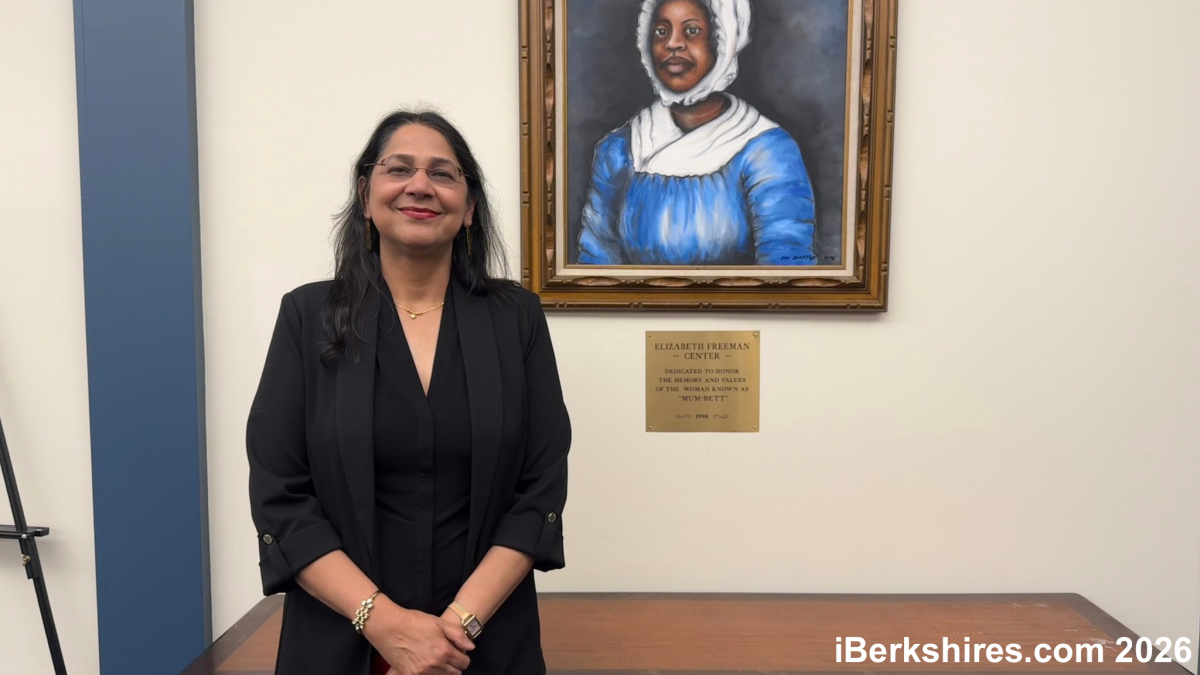
- 1974: Responding to dramatic changes in the social, political, and economic climates, Women's Services Center incorporates as a resource for women seeking financial independence and entering the workforce for the first time.
- 1976: Rape Crisis Center incorporates, with a volunteer staff providing counseling and hotline services.
- 1989: WSC opens a Battered Women's Shelter in Pittsfield. RCC brings child sexual abuse prevention programs to area schools and daycares.
- 1990s: Both agencies experience drastic cuts in funding.
- 1997: WSC and RCC merge to form the Elizabeth Freeman Center, Berkshire County's only comprehensive domestic violence and rape crisis agency.
- 2000-10s: Services expand rapidly over the following years to include specialized programs for vulnerable communities, child counseling, and in-school prevention education.
- 2015: Money School, an award — winning economic empowerment course, graduates its first class of survivors.
- 2020: COVID-19 results in soaring rates of domestic and sexual violence. EFC's shelter is one of few programs to remain open, every day, through the entire pandemic.
- 2024: EFC moves from its longtime but decidedly outgrown home on Francis Avenue into its new headquarters at 66 Allen St. in Pittsfield.
_3.jpg)
There are no barriers to domestic violence. It does not discriminate. Anyone can be susceptible, can be vulnerable, can suffer domestic violence. As they say, everyone knows someone, and that is so true. In anyone's orbit, you will find someone who has experienced domestic violence, and the work it takes to stabilize someone who's fleeing abuse is a lot, and I think one of my goals is to educate everyone about what it really takes to stabilize a survivor of domestic violence.
Because if you think about it, someone is fleeing abuse; they have left their ecosystem, their home, their friends, their babysitter, their job, their family, and they've moved to an unknown area just because their life is in danger. The life of their kids is in danger, and now they're starting fresh.
Basically, they have to find a new job. They have to find housing. And they have to maybe live in a shelter or a friend's place or with a family member, and when you're looking at someone starting from scratch, it means you need so many more resources to help that person.
So it's not just enough for us to OK, you have an apartment and now you're done. How are they going to sustain that apartment? How will they find a job? Who's going to look after their kids if they don't have money? So it takes a lot of resources to really provide, stabilize a domestic violence survivor, and I think many people do not understand the level and the depth of services it takes to truly have a person flee abuse and to not go back. One of the statistics I will quote, which is from the National Center on Domestic Violence, was 80-85 percent of survivors that leave abusive relationships actually go back. And one of the reasons is financial constraints.
- 24/7 hotline for emergencies and support: 866-401-2425
- In-person emergency response to hospitals and police stations following an attack
- Temporary and long-term safe shelter
- Advocates stationed in all Berkshire County courts to help with protection orders
- Money School financial independence program
- Youth healthy relationships and violence prevention education
- Community education and awareness programs Specialized counseling for: LGBTQ-plus survivors, immigrant survivors, survivors with disabilities, homeless survivors and children experiencing domestic violence
- Supervised visitation services
- Transitional housing and housing stabilization services
- Services are provided in English and Spanish and translation and interpretation services are available
- Clients served: 1,992
- Children of clients served: 2,219
- Hotline calls: 3,028
- Legal advocacy: 630
- Counseling: 1,237
- EFC domestic violence confidential shelter: 115
How are you funded?
We rely on state and federal funding for our core services, for our personnel, our staff to provide that counseling, to be available 24/7 to staff our shelter 24/7. We seek out foundation and corporate sponsorships from many of our programs. For example, our Money School program is primarily funded through foundation grants and through community support through banks like Beacon Bank, Greylock Federal Credit Union, Adams Community Bank. Many of the foundations that support us include Mill Town, Jewish Women's Fund, Berkshire United Way.
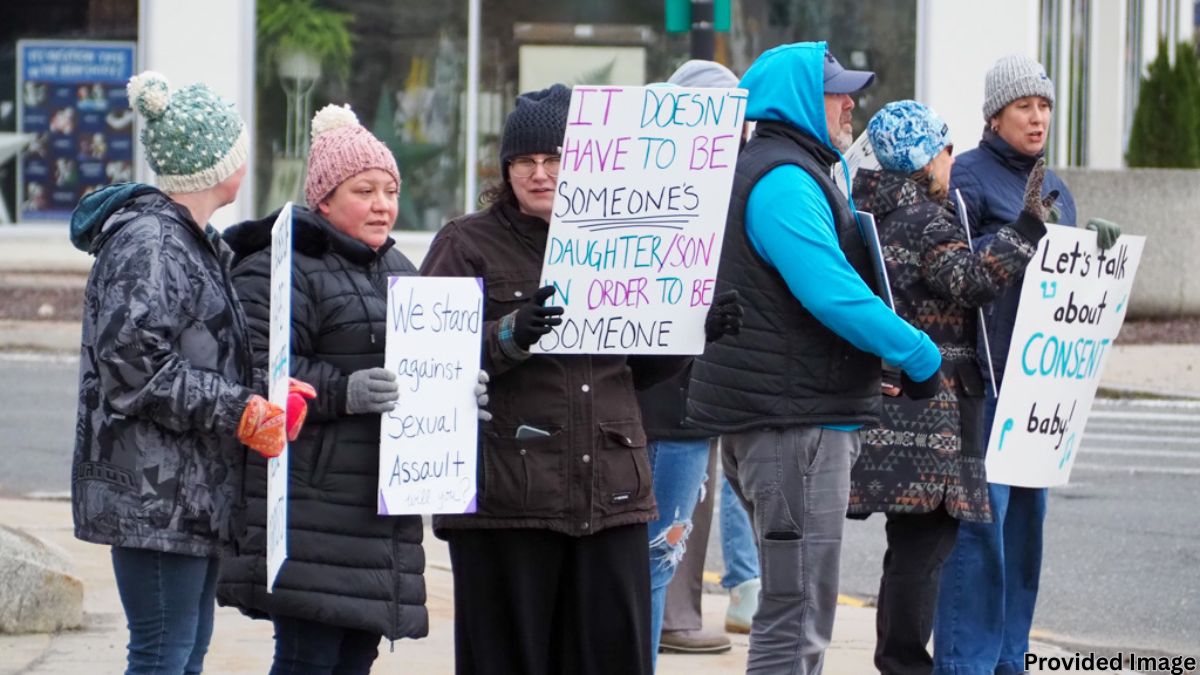
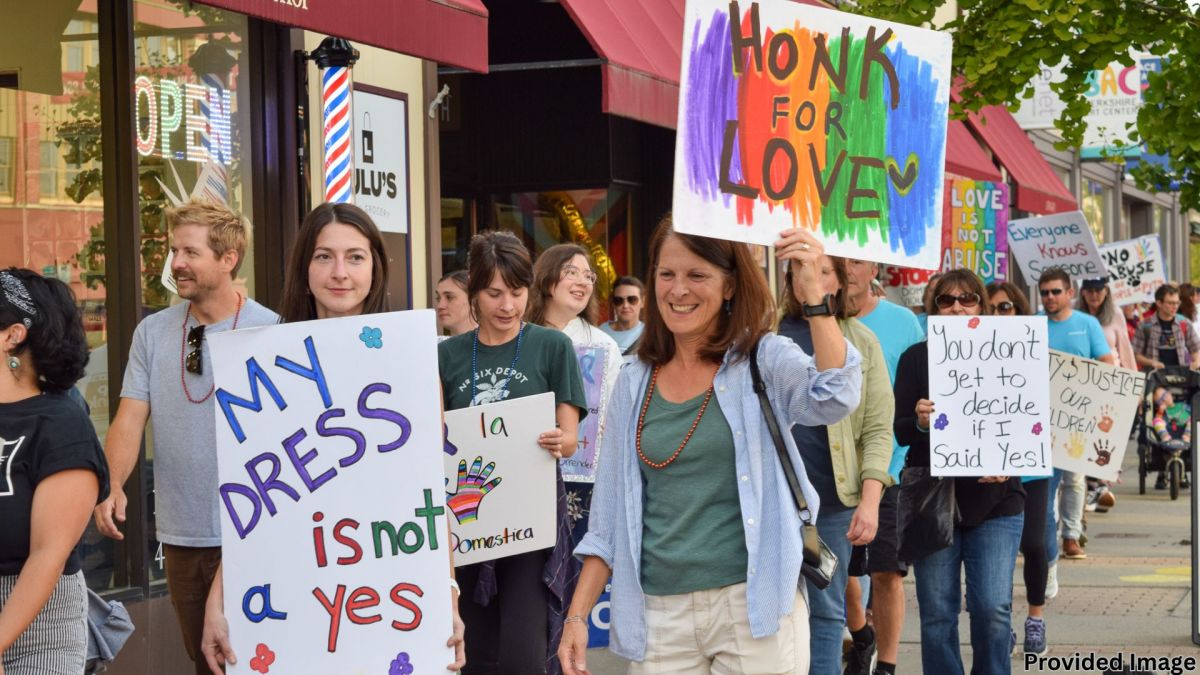
State and federal truly doesn't pay the full cost of services. So then how do we make make up that that gap? And that is where the fundraising comes in. So we really rely on community support to fill those critical gaps, and that through our annual appeal, and mainly our biggest fundraiser is our community walk, that's Rise Together, which is actually coming up in September, and that is our biggest fundraiser for people to from the community to make teams to fundraise for us as teams and to donate to us directly.
_2.jpg)
Who are your community partners?
We can't do it alone, it takes a village, as they say, and it truly does take a village in Berkshire County. We partner with the [Berkshire County] Kids Place for the kids experiencing domestic violence or witnessing domestic violence, when they need referrals to more clinical support, we partner with them to refer kids to them.
We partner with Berkshire Immigrant Center for our immigrant clients, if they have immigration needs, for some of our trainings, I know they did a training on when ICE comes.
We have a partnership with Berkshire Pride that has grown by leaps and bounds. We have a prevention person who works with them. We are part of a team, Rainbow, as we call it, for our LGBTQ counselors within EFC and Workshop Pride and in a prevention team. They meet and they talk about challenges and adapting and how we can provide better services.
We partner with the Berkshire District Attorney's Office, with the Sheriff's Department, we partner with law enforcement, with Pittsfield Police Department, with Adams Police, with North Adams.
And then for our Money School program, we have so many institutions which send their staff of those institutions come as volunteer coaches for our money school program, and most of the banks. We have E for All, we have Mass Hire, Department of Transitional Assistance (DTA). So many of those people partner with us to provide workshops or to be our volunteer coaches.
Our most amazing partnerships is with the community during a holiday drive when we put out a call and send out lists for all of our survivors and and the community really shows up in droves, bringing gifts large and small so that every survivor we serve and their kids get something for the holidays and they also show up in big numbers for our Rise Together community walks that we have in Pittsfield.
What are you excited about?
When there is transition at the organization, leadership transition [Chaturvedi took over in fall 2024], we also moved to a new office, it becomes an opportunity to see, take a step back, see what we are doing well, what we can do better, and that's what we are doing. We're taking a stock of our processes and our services and seeing what can we add and how can we be better? And that's truly exciting.
We're doing the same for our Money School program. We are looking at our fundraising in new ways. We are developing new relationships with some donors here, with foundations, and then kind of reinventing some of the relationships with our partners, our local non-profits and agencies in the Berkshires.
I'm really excited about our Rise Together Walk. We have been slowly building the branding and the reach of the Rise Together walk, and the community really shows up this year. We are consolidating our walks for North, Central, and South counties. So in Pittsfield on Sept. 15, in North Adams on Oct. 1, and in Lenox on Sept. 24. And we are hoping to really build that community walk because EFC started as a community organization, and that community piece is very important to all of us. To reach the community, to educate the community, to be part of the community, and to offer space for community to really show up and talk about the issues that are impacting them, survivors.
It's an opportunity for us to collectively come together and raise our voices for survivors in Berkshire County, and really excited about branching out and really deepening our services, looking at what services we need to really deepen and do more of, housing is one. So excited about kind of building that department within EFC and more relationships outside of EFC. So it is a time for us to reflect, take stock, and be better and provide better services to survivors in Berkshire County.