EPA, GE Conducting Vernal Pool Study on Housatonic River
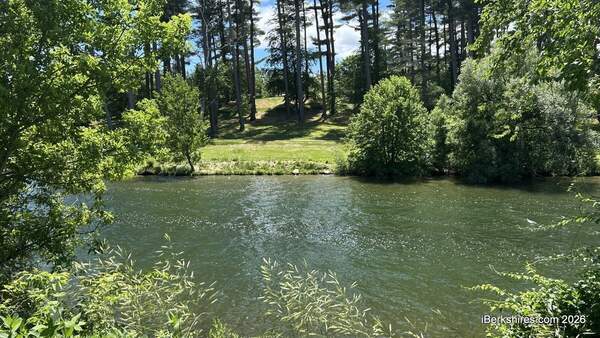
PITTSFIELD, Mass. — A pilot study will determine the best way to remediate PCBs, or polychlorinated biphenyls, from vernal pools in the Housatonic River.
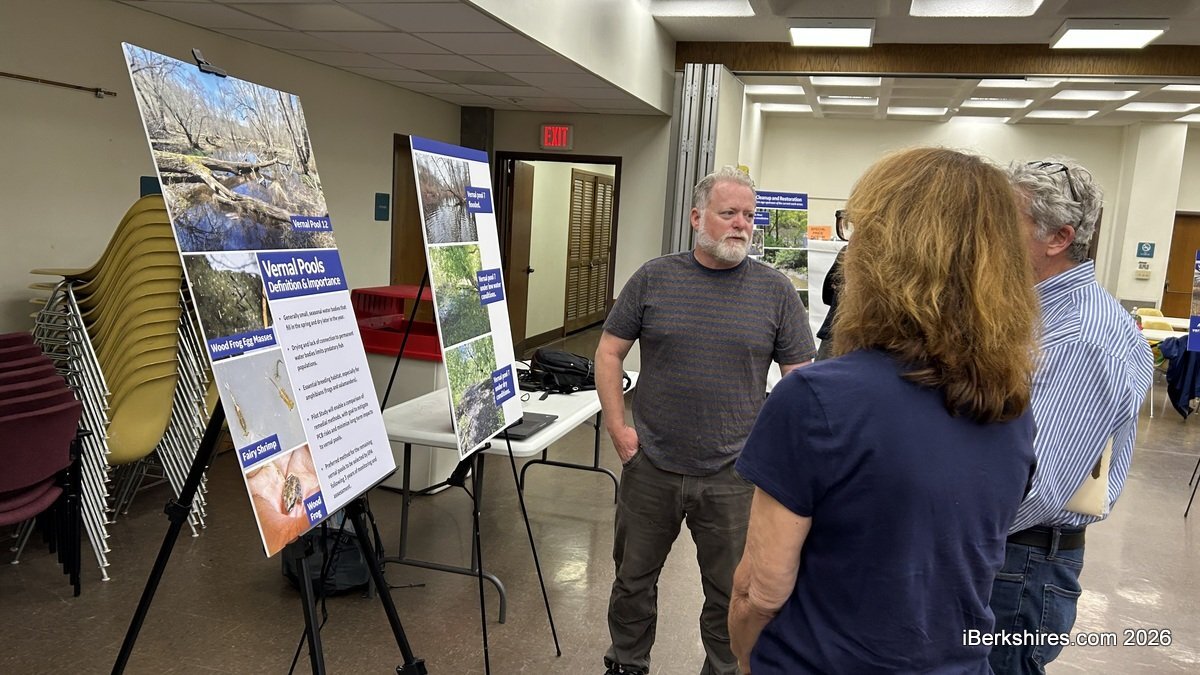
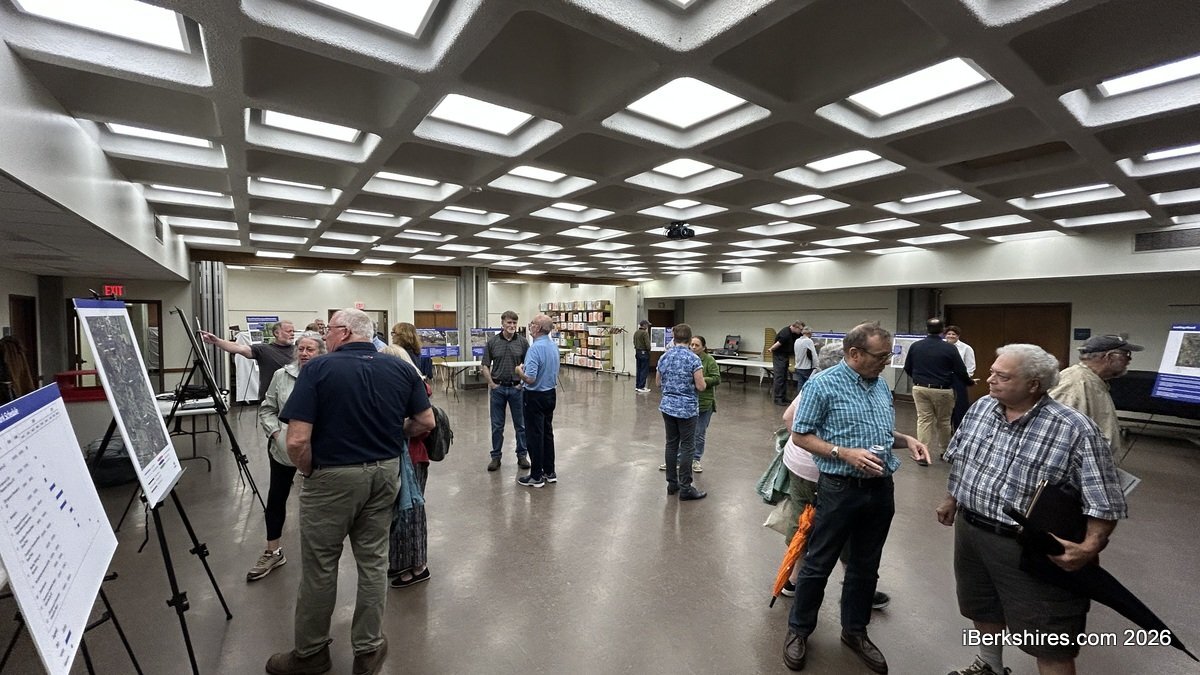
Last month, the U.S. Environmental Protection Agency and General Electric held an open house for the Vernal Pool Pilot Study on Reach 5A, a five-mile stretch between the river's confluence and Lenox border. Despite the rain, several people attended the event at the Berkshire Athenaeum.
EPA project manager Josh Fontaine explained that it is an evaluation of which remediation method to use for the remaining vernal pools in Reach 5A.
"We're going to be testing two different methods. One is an excavation method, which we already know has been very successful with another vernal pool cleaned up much earlier in the project," he said.
"And then the other is the application of two different carbon amendments. It would be the application of powdered activated carbon and the application of granulated activated carbon."
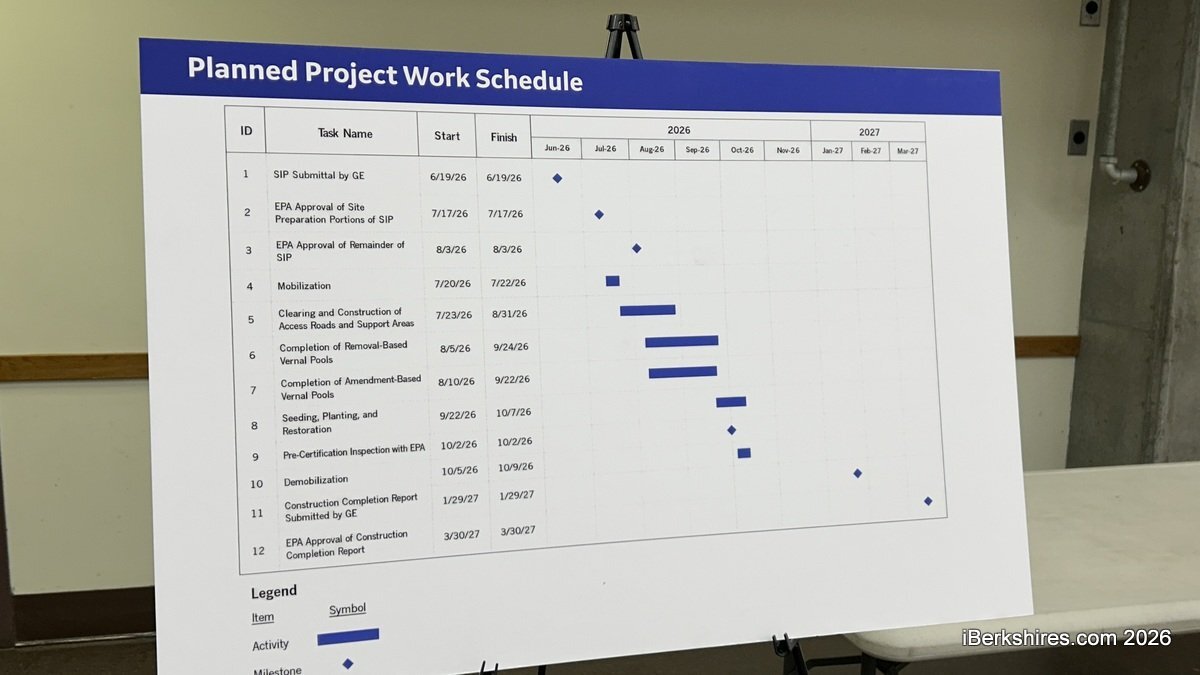
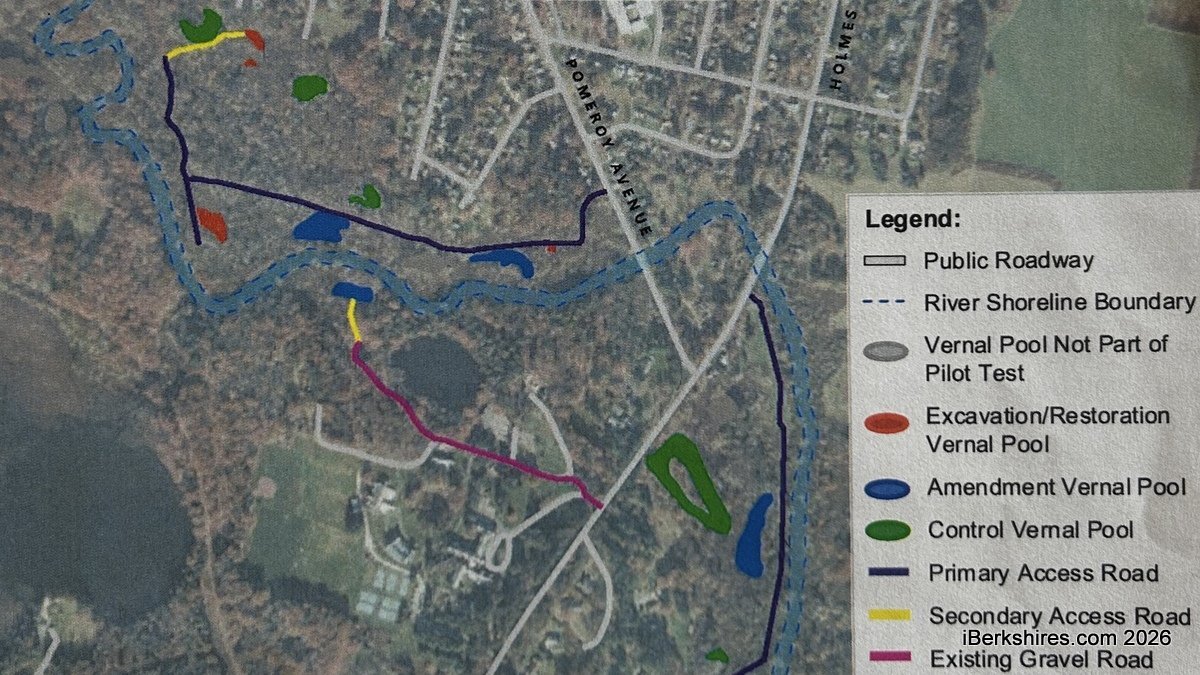
Ten vernal pools will be cleaned using these methods: five with excavation and five with active carbon; seven additional vernal pools will be monitored as controls. Construction will be complete around October, but the pools will be left to their natural processes and monitored with surveys and sampling for three years.
Fontaine said there is no frontrunner for methodology.
"We know the excavation method is effective, but we would like to see if the less invasive method of using the amendment will be as effective for potential use," he said.
Vernal pools are small, seasonal wetlands that fill with water in the spring and dry later in the year, hosting a unique habitat of plants and animals, and breeding areas for amphibians and crustaceans. There are about 100 of these habitats along the Housatonic River from the confluence of the East and West branches to the Woods Pond Dam; 59 are located in Reach 5A.
Pittsfield's section of the Housatonic River will see a five-year cleanup beginning in 2028. The EPA must first approve the final design plan, and GE must submit the supplemental information package.
The remedy was selected by the EPA in 2020 and is part of long-term efforts to reduce pollutant risks to people and wildlife, and restore the river and its floodplain.
The PCB-polluted "Rest of the River" stretches nearly 125 miles from the confluence in Pittsfield to the end of Reach 16, just before Long Island Sound in Connecticut.
Reach 5A is the first section to be remediated.
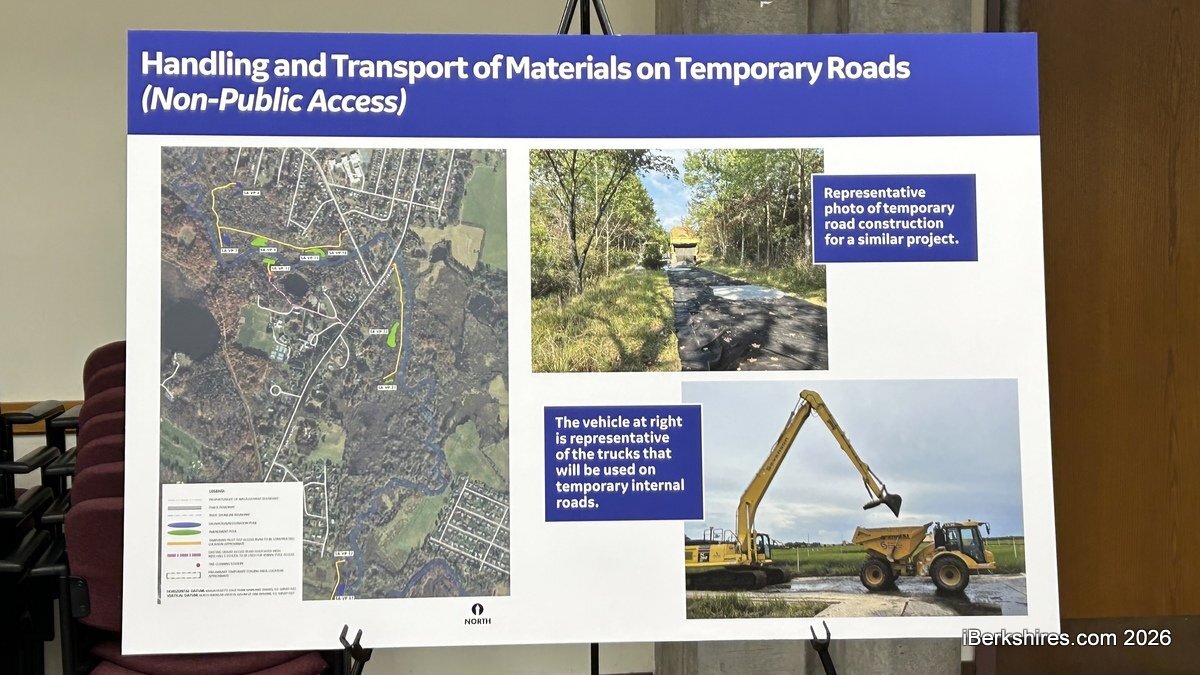
The Vernal Pool Pilot Study requires some heavy machinery for excavations, and a few temporary roads will give crews access to the vernal pools, some of which are deep in the woods.
Remediated materials will be loaded into sealed containers and removed from work areas by certified contractors and disposed of at off-site facilities. There will be monitoring for dust, noise, odor, and lighting during construction.
More information can be found at epa.gov/ge-housatonic.
Tags: EPA, General Electric, PCBs,