

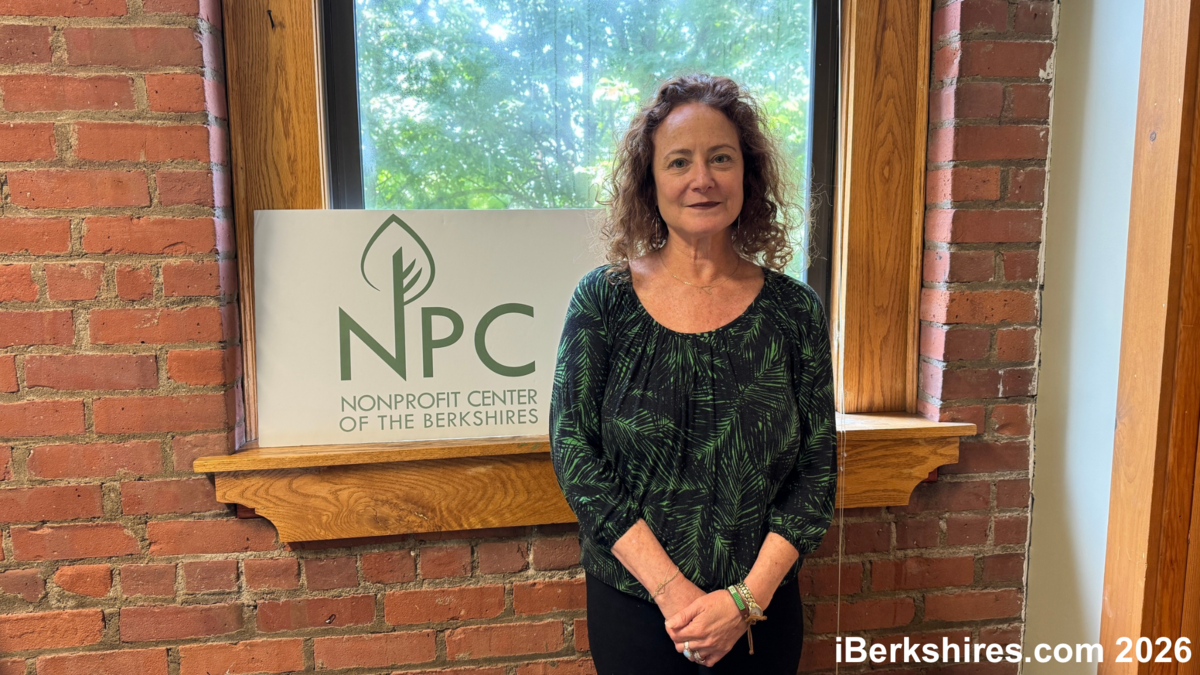
For this month's Nonprofit Spotlight, iBerkshires sat down with Nonprofit Center of the Berkshires Executive Director Samantha Anderson to give us an insight into the organization.
Headquartered in Great Barrington, the organization was founded by Liana Toscanini to function similar to a chamber of commerce to connect and strengthen the nonprofit community. Anderson took over the directorship this past spring.
.jpg)
What is your Mission?
The mission of the Nonprofit Center of the Berkshires is to facilitate growth for charitable organizations through shared resources, affordable services, and creative collaborations. Put simply — we're the nonprofit behind the nonprofits. Everything we do helps them connect, learn, and grow through shared resources and collaboration.
What problem are you solving in Berkshire County?
Berkshire County has nearly 1,200 nonprofits — an extraordinary density for a county our size. According to Bureau of Labor Statistics data, they support about one in four jobs here, and they're the organizations we all turn to in a crisis: for food, for housing, for childcare, for the arts, for elder care.
But most of them are very small, and they're competing for the same limited pool of local philanthropy. Federal dollars that supported food, housing, childcare, and immigration services have been pulled back while demand is climbing. Leaders are stretched past their limits. Nationally, the share of nonprofit CEOs who say burnout is "very much a concern" jumped from 29 percent to 46 percent in a single year.
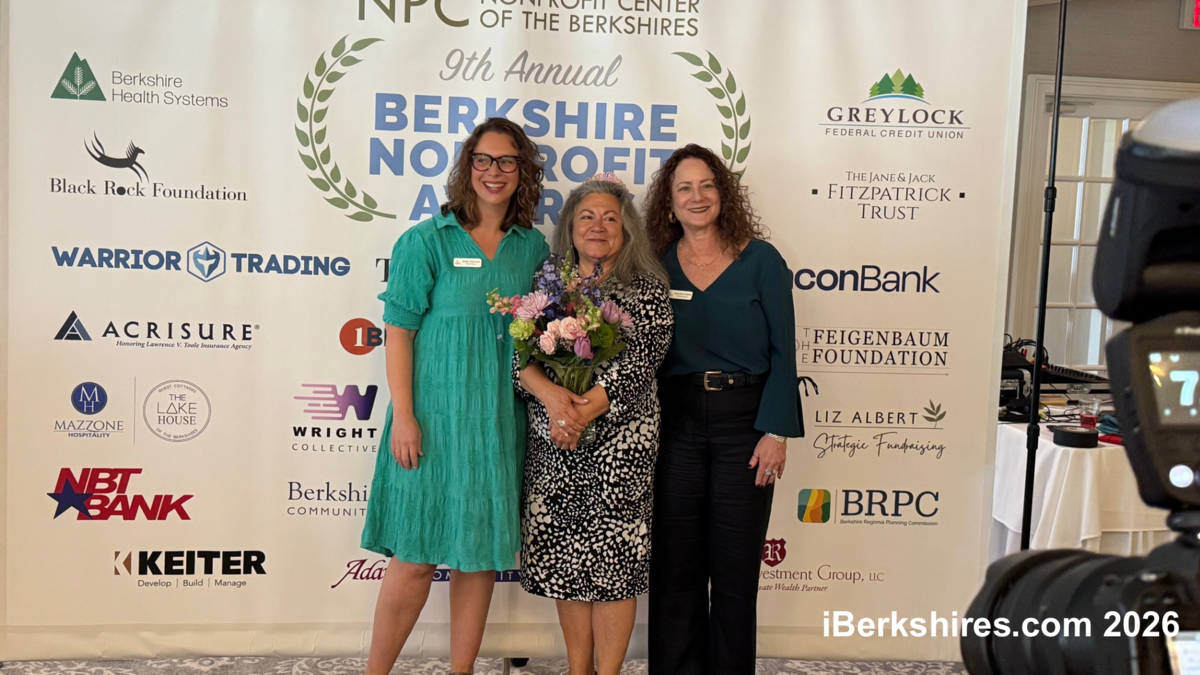
- Our Giving Back Guide is an 80-page guide listing all 1,200 Berkshire nonprofits by category, with 100 in-depth profiles.
- Our Resource Directory offers over 550 vetted resources, free to hundreds of nonprofits.
- A regional meeting we convened this July brought nearly 100 organizations into one room.
So the honest answer: we directly support a couple hundred organizations, we're a resource to all 1,200, and the people they collectively serve number in the tens of thousands.
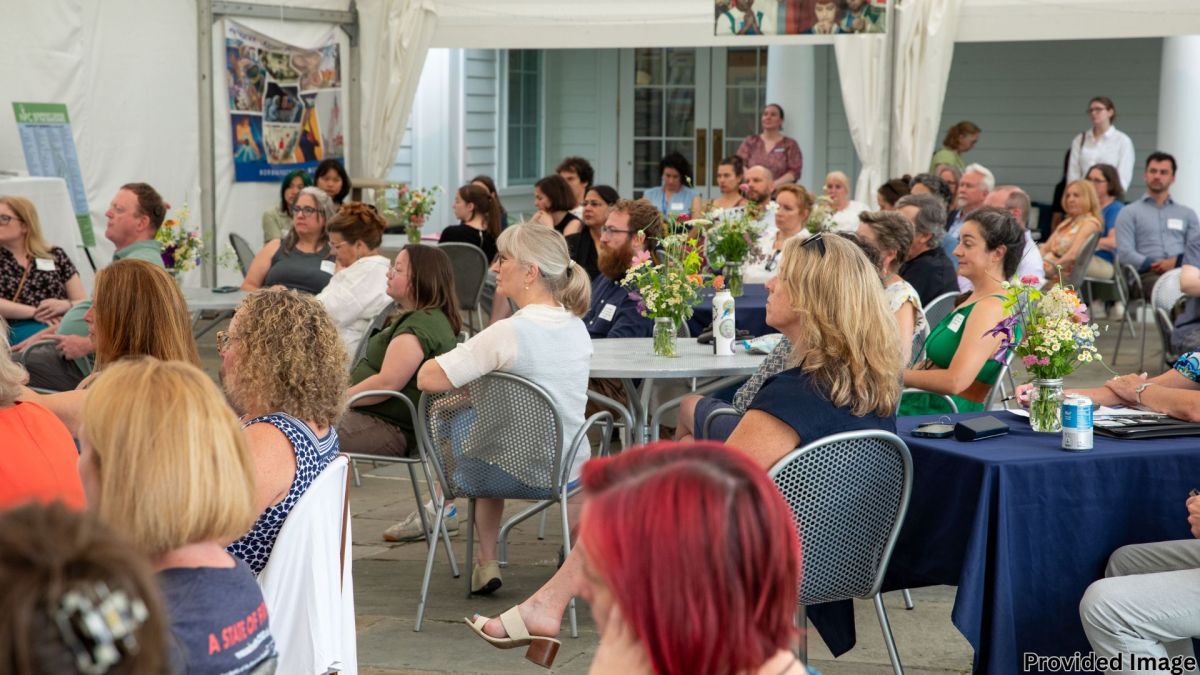
Some key impact metrics:
We're leading the Commonwealth Benefits Collaborative, a statewide pooled health insurance program built specifically for nonprofits. Health insurance is often the single biggest barrier to a small nonprofit hiring or keeping good people. Coverage is targeted to begin January 1, 2027.
We're commissioning the first comprehensive study of the Berkshire nonprofit sector since 2012 — because you can't fix what you haven't measured.
So we act as their fiscal sponsor. We become the legal and financial home so they can start fundraising and serving people on day one. Two current examples:
FIELD — an ideas festival in Lenox that brings together readers, writers, thinkers, visionaries, problem solvers, and experts across every discipline for a weekend of cultivated conversation.
The Berkshire Pond Hockey Classic — an annual celebration of community and of health of mind, body, and spirit, playing hockey in its purest form: on a natural frozen lake, surrounded by the sounds of nature.
Neither would have made it past the paperwork alone. Both are out there doing the work.
Programs provided:
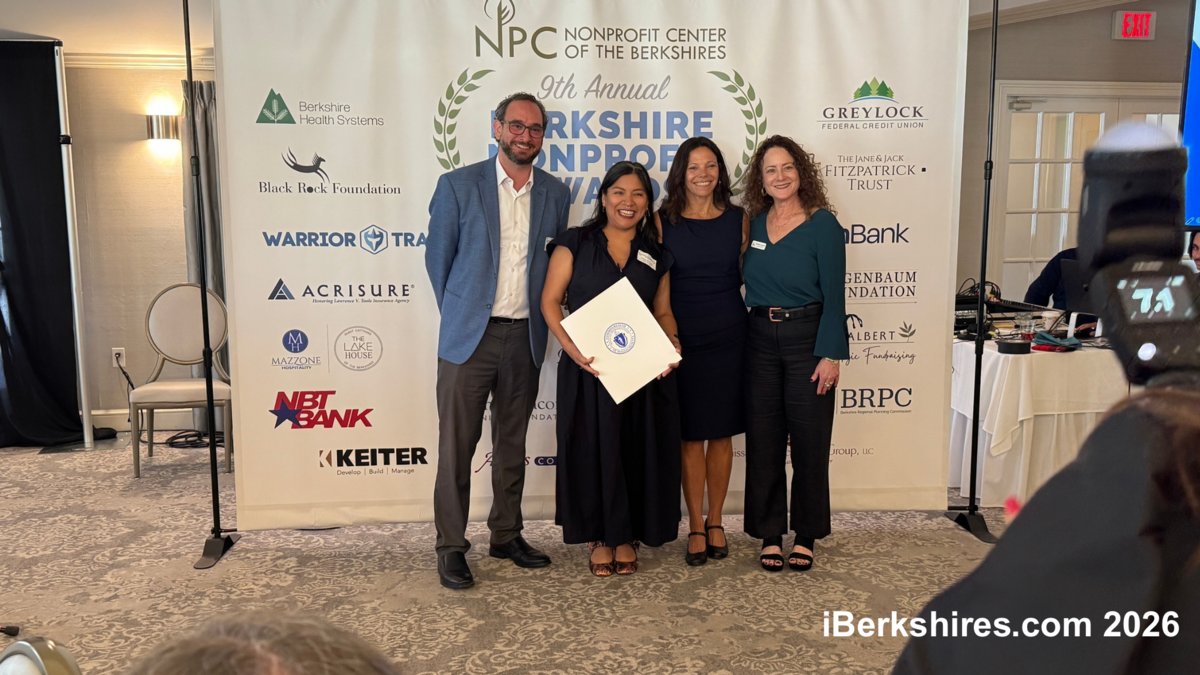
CONNECT: Convenings and roundtables, Meet the Donors, our annual Resource Fair, legislative town halls, the Berkshire Nonprofit Awards, a countywide events and gala calendar, a job feed, a volunteer hub, Get On Board board matchmaking, the Giving Back Guide, and Philanthropy in the Schools, where students learn to be grantmakers.
EDUCATE: Nonprofit Boot Camp, board trainings and a board video series, the Agents of Change Equity Academy, grant-writing webinars, and one-on-one coaching for fifty dollars an hour — because that's what a small organization can actually afford.
GROW: This is the shared-services muscle: the Commonwealth Benefits Collaborative for health insurance, a shared 401(k) plan (CORE 401K Plan); fractional staffing, back-office support, fiscal sponsorship, pay equity and salary-and-benefits research, and our sector data work.
And one more piece I care about personally: wellness. Burnout isn't a personal failing in this sector — it's a structural risk to the services our communities depend on. You cannot serve a community from an empty cup. So we're building peer circles and healthier workload and governance practices right into the model.